Hello and Happy Thanksgiving! Now we start our progression to the end of the year and with that we get to recount and reflect on all that we are grateful for! Since I am abroad this year in Northern Ireland, I was in charge of cooking the turkey for our Friendsgiving.
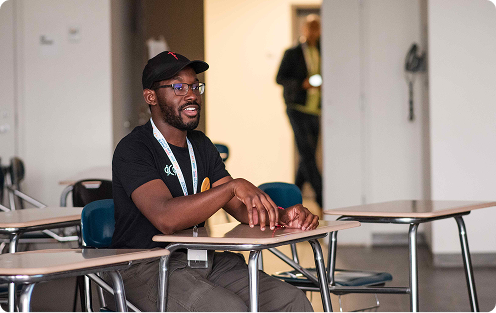
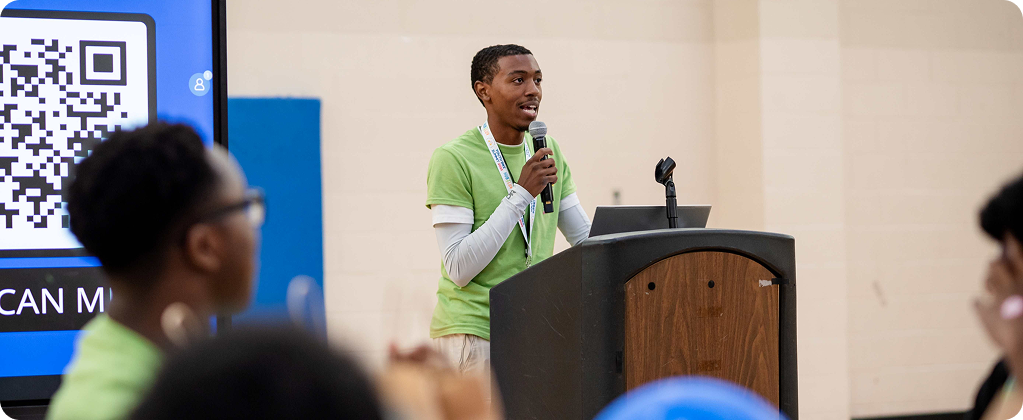
One of the opportunities I am grateful for this year was to be able to participate in the Safe Routes to School Summit. During our panel session facilitated by the National Center for Safe Routes to School I talked alongside three other panelists about how to get high schoolers involved in pedestrian advocacy and to ensure they remain involved after high school. Michele Walker, who works at TransForm and is in charge of the Alameda County Safe Routes to Schools high school program, brought her experience as an adult working with high schoolers and tips on how she got high schoolers interested. She emphasized the fact that getting involved in pedestrian advocacy can look like many things as we have talked about in previous blogs. For example, Michele talked about how she had gotten youth interested in transportation through community garden projects and beautification.
Cydney Thompson, a high schooler who is interning at the Civic Design Center, discussed the importance of milestones in order to keep students interested and to recognize their achievements. I think this is especially key in the transportation field where projects can take years to achieve. Working to get approval from the city or school administrations can be extremely frustrating and the bureaucracy can easily discourage advocates from pursuing projects. It can be even more discouraging when you’re working in the timeframe of four years. Some of the projects I worked on in high school I knew would not be completed before I graduated because the planned end date was 10 years. However, this is where organizations can help by keeping a continuity as students graduate and new students join. They can support by making sure projects continue to be worked on and can explain why these projects were started.
Jacob Smith, who started working in transportation in high school and has continued working in transportation as an adult at National Organizations for Youth Safety and National Center for Safe Routes to School’s Vision Zero for Youth, talked about how youth are the “Architects of Change.” Jacob focused on how youth are the ones who will be dealing with the effects of not improving the transportation infrastructure in the future, so it’s important to include them in the conversation because we are the ones who will be impacted by the decisions made today. As discussed, transportation advocacy is an especially long term change whether we are talking about the impact on the environment, health, equity, etc. The way our roads, sidewalks, bike lanes are laid out affect how we move about in life and therefore the effect of small problems can be exacerbated as well as small solutions can have compounding benefits.
Our panel was meant to support Safe Routes to School programs as they transition from focusing on elementary and middle schoolers to including high schoolers. While high schoolers can appear to be more difficult to reach out to, in reality, they are actively seeking opportunities to discover their identity and explore new interests to understand who they are and where they fit in the world. Teens often gravitate toward activities and experiences that resonate with their evolving sense of self and aspirations and Transportation advocacy has a lot of interesting aspects for us. For example, feeling and being an integral part of the conversation on transportation for all the reasons we discussed and more. Youth know about and are close to issues on the ground, they also have the will to make a change. Where organizations like the National Center for Safe Routes to School and the National Youth Bike Council come in is connecting youth to resources and tools in order to empower their voices.
Brian, why do you think it’s important for organizations such as Safe Routes to School to focus on connecting with high schoolers along with elementary and middle schoolers? What are some transportation activities you are thankful for participating in this year?