The Council Leads The Youth Bike Summit In The US

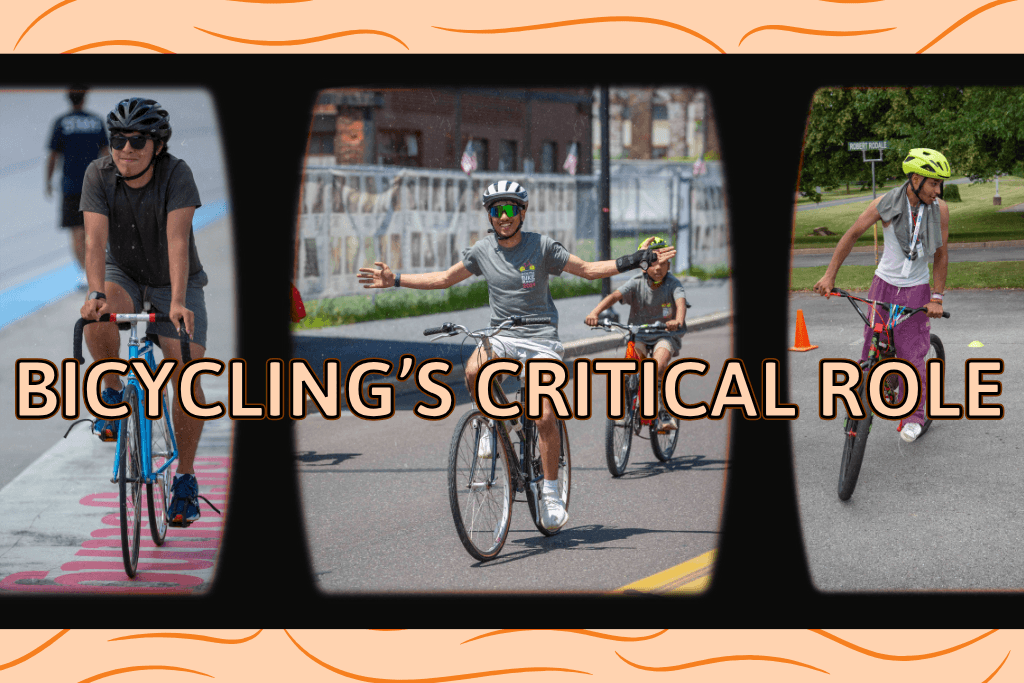
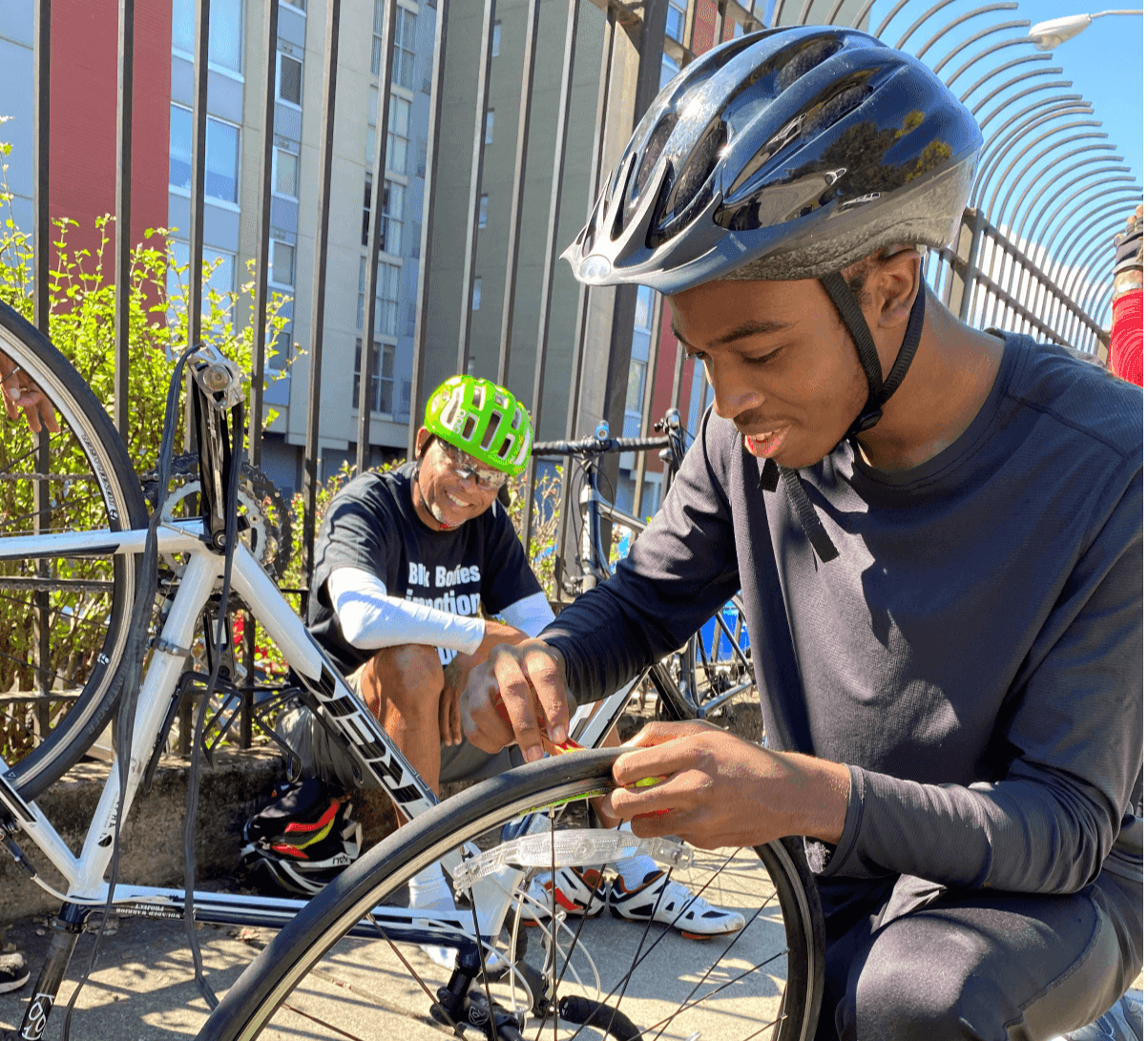
14th – 16th June 20204, Allentown, Pennsylvania U.S.A – Leaders from the National Youth Bike Council (NYBC) led a Youth Bike Summit that looked to further connect young people into the world of bicycling or bicycling advocacy by bringing like minded young people and their staff members together.

The Youth Bike Summit has been going for nine years and is deeply rooted in community engagement. According to the president of the NYBC, Joshua F., the Summit “thrives because local organisations that get young people on bicycles bring their young people to the summit each year”

Some priority Sustainable Development Goals (SDGs) that guide the event are SDGs 11: Sustainable Cities and Communities, 4: Quality Education and, 13: Climate Action.
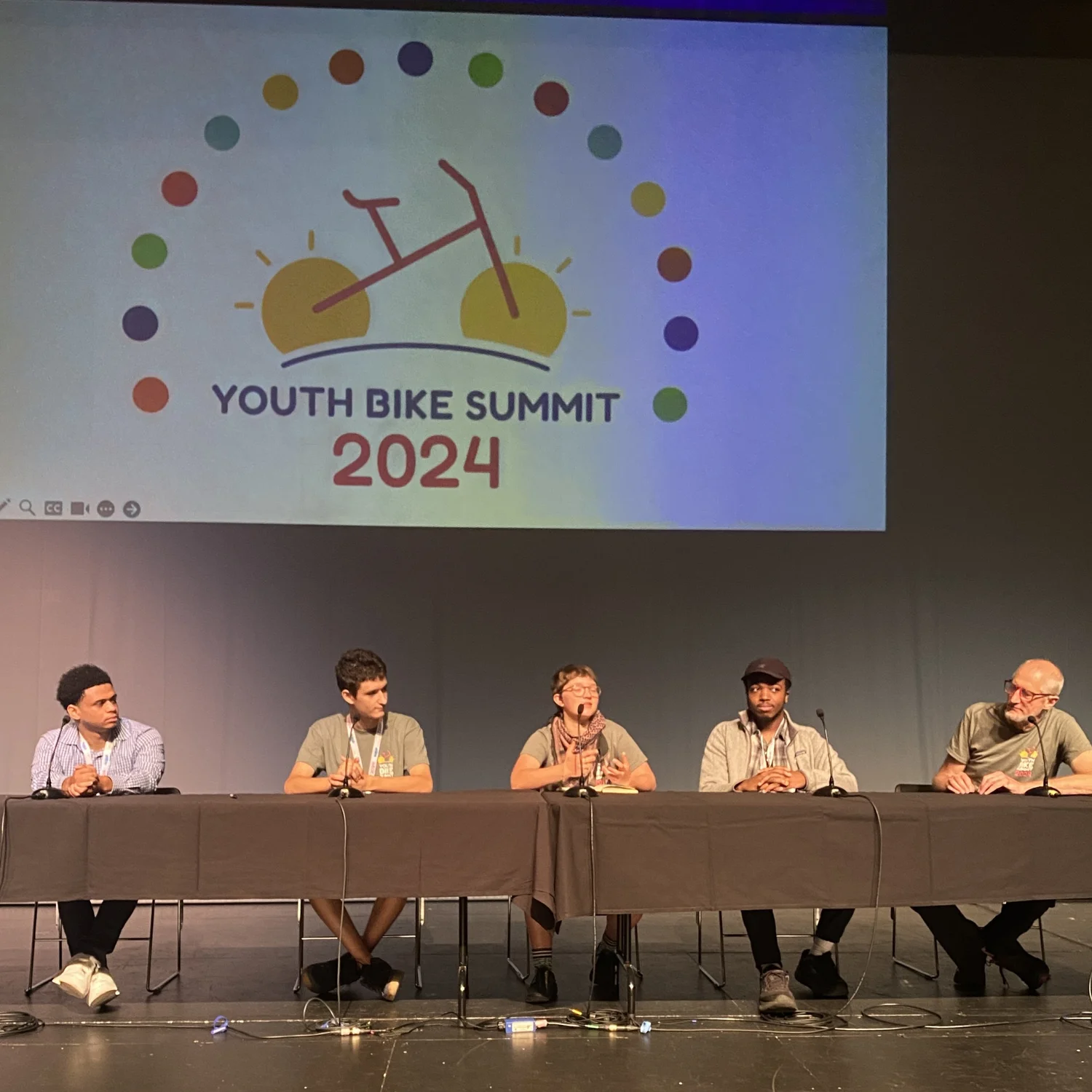
The organisers worked with different local stakeholders and they started creating programs that encourage youth to use their bicycles, especially directed to those who may want to start the journey but are unsure how.
Through the workshops, the NYBC calls for additional youth groups to join the resource-sharing partnership for cyclists in and around Pennsylvania. “The Resource Sharing Partnership is an opportunity for youth groups to sustain, improve, and transform approaches to getting more young people educated, riding bicycles, and closer to leading local action.”

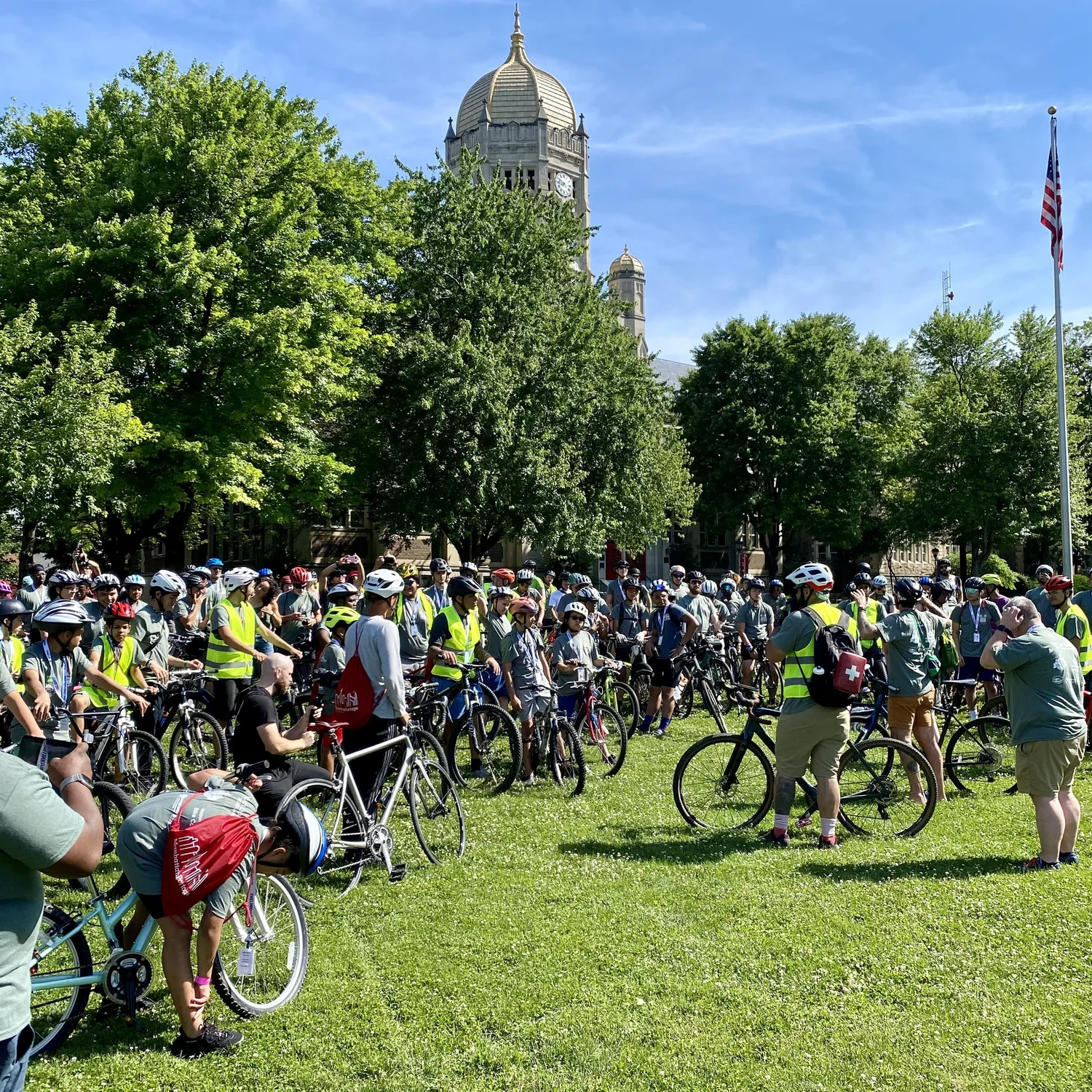
The Summit was joined by 206 youth, staff, and volunteers from 26 different youth-focused organisations.

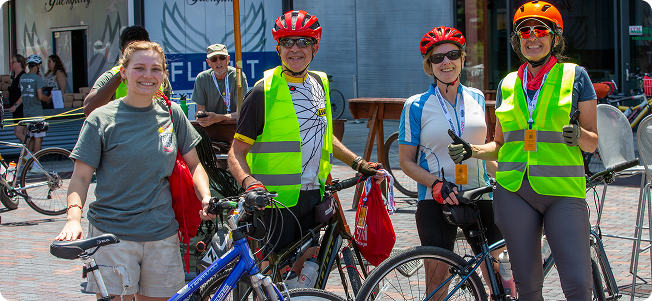
The attendees were presented with testaments from leaders in the international cycling community and were invited to attend peer-led workshops. They also joined several different themed bike rides, engaging and interacting with their fellow cyclists.
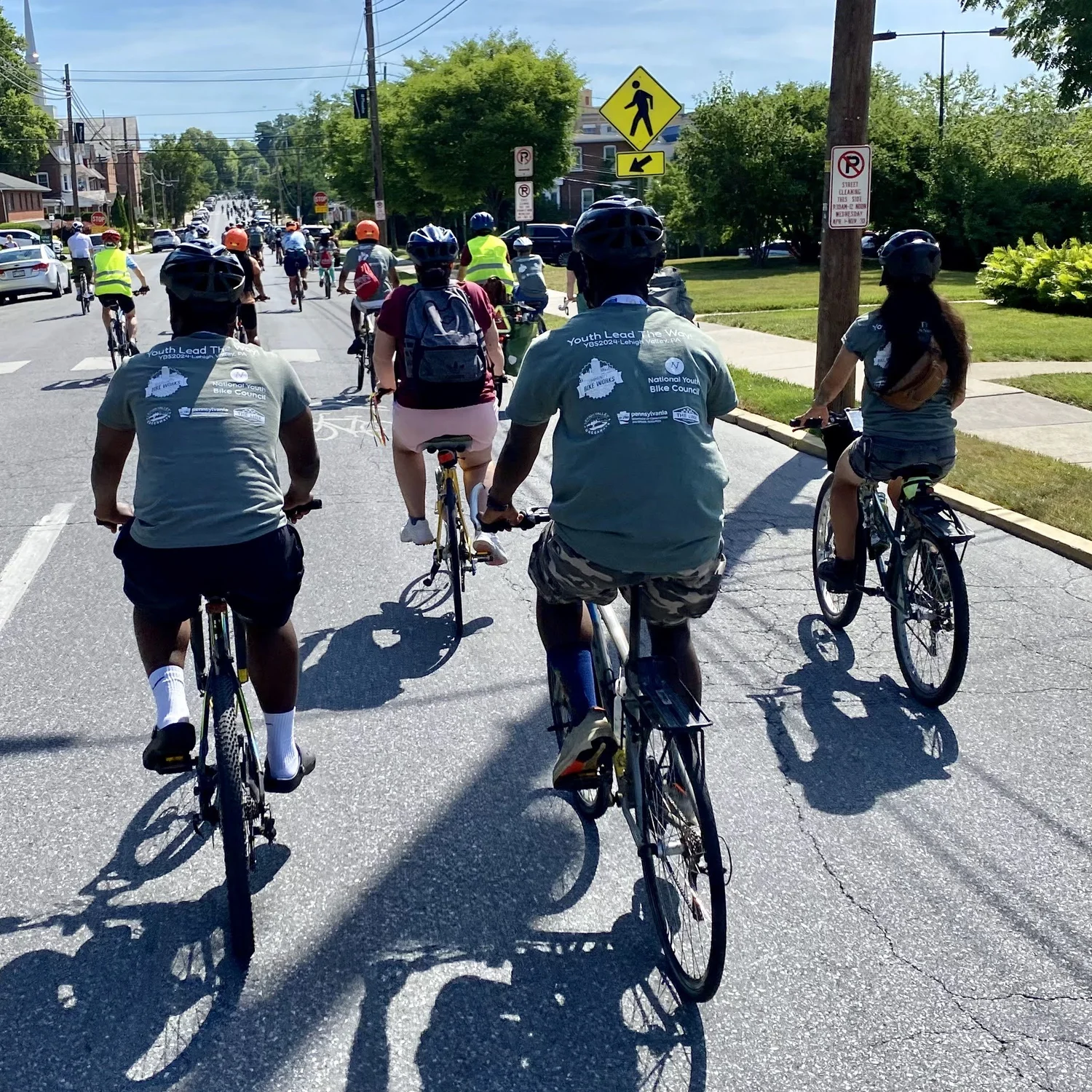
The Summit was made possible through local partnerships with Community Bike Works, passionate contributors, and crucial sponsorships.

“We are pleased to have had the contributions of 32 workshops over 3 days, 1 big bicycle ride joined by the Mayor of Allentown, and majority youth participation (72%). The Youth Bike Summit is on the move, traveling from city to city, next year it will be in Boston, Massachusetts from May, 30th 2025 to June, 1st 2025. It’s our goal to establish a pathway, through nationwide collaboration of bicycle organizations to enable young people to be able to advocate on their behalf.” – Joshua F., NYBC President
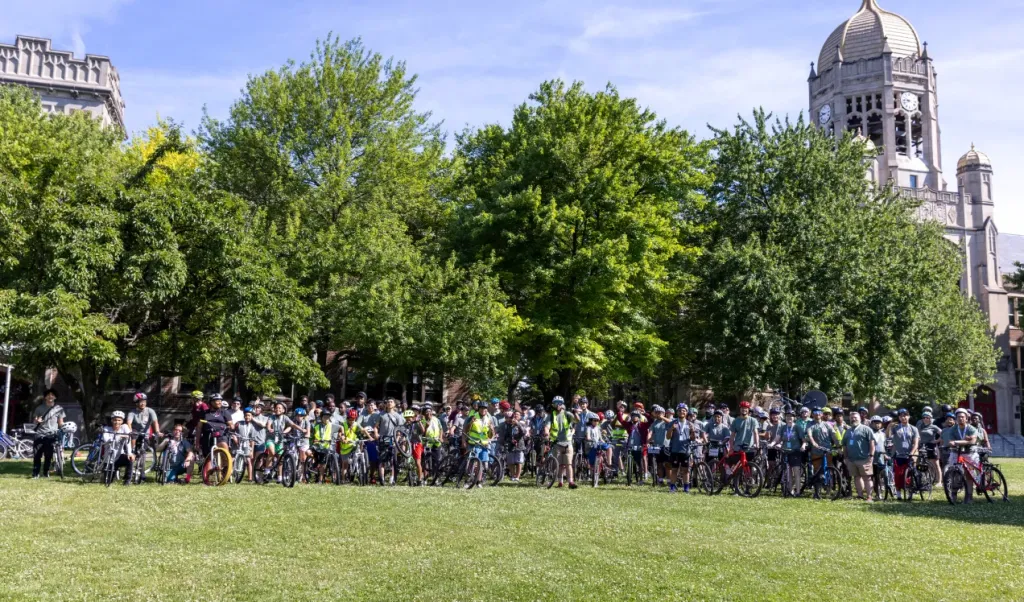
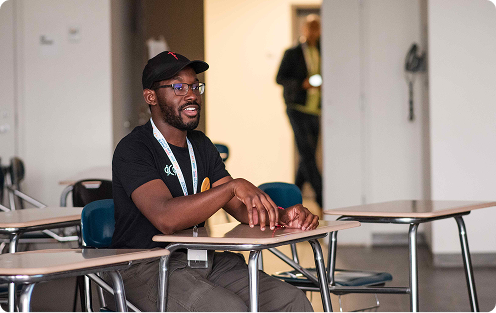
Hundreds of teens gathered in the Lehigh Valley for the national Youth Bike Summit. They want to make cycling safer nationwide.

Celebrating Joshua’s Legacy, Embracing the Future

2025 marks the last year that Joshua is serving as the President of the National Youth Bike Council. Joshua served as
the National Youth Bike Council president since its inception in 2017. This transition happened a month after the 2025
Youth Bike Summit that took place in Boston between May 30-June 1st 2025. Attendees at the summit heard it first hand
from Council Member Pablo when the announcement was made on Sunday June 1st.

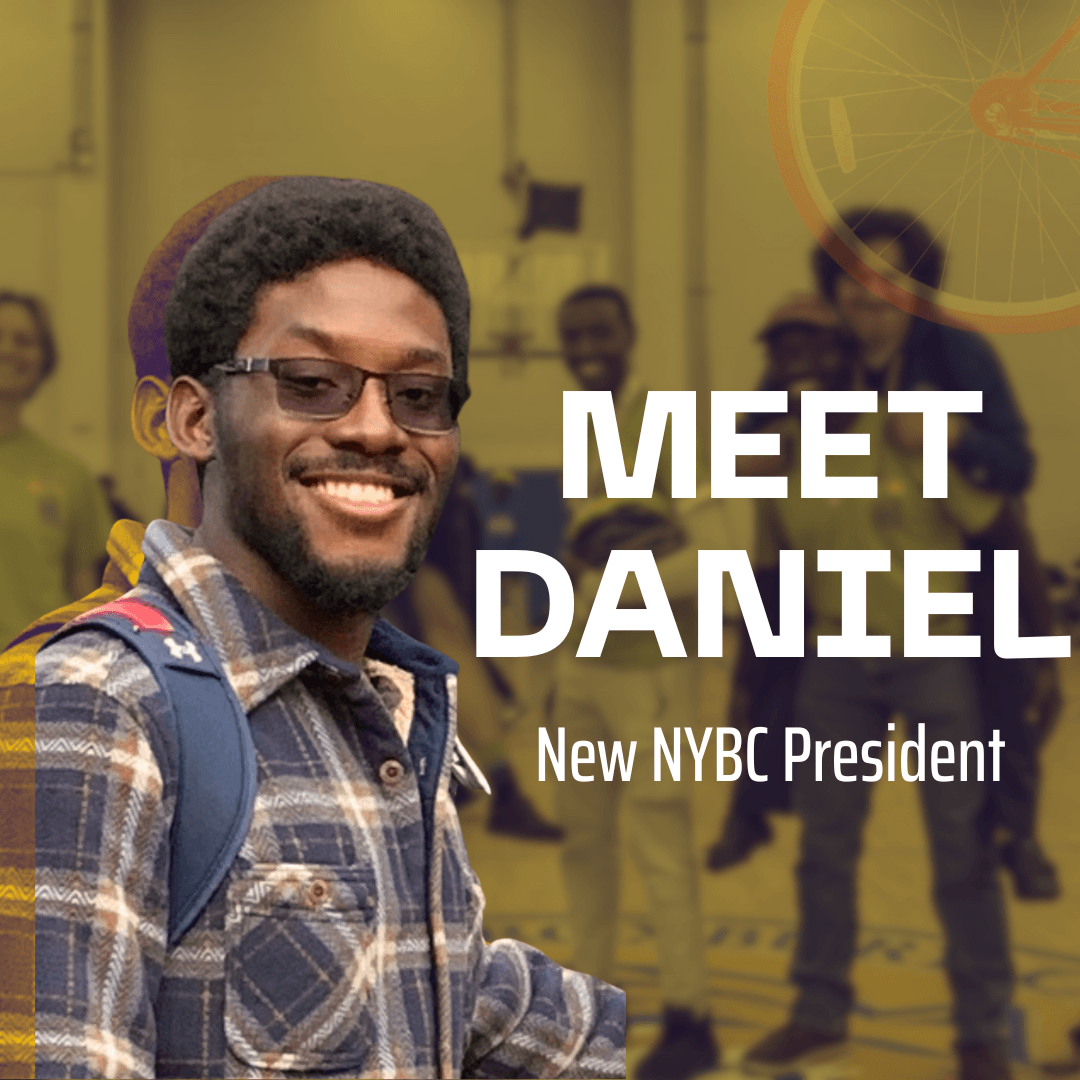
Welcoming Daniel C. as NYBC’s New President

Since June the transition has been underway. Today we have the exciting news that Daniel C. will be the new President of
the National Youth Bike Council. Leading the Council into its second generation of growth for youth leadership through
bicycling and fostering lifelong friendships between current and new Council members.

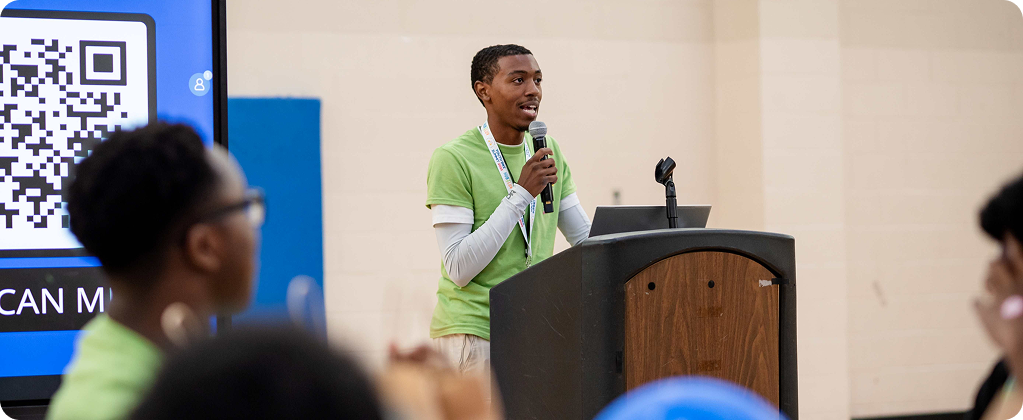
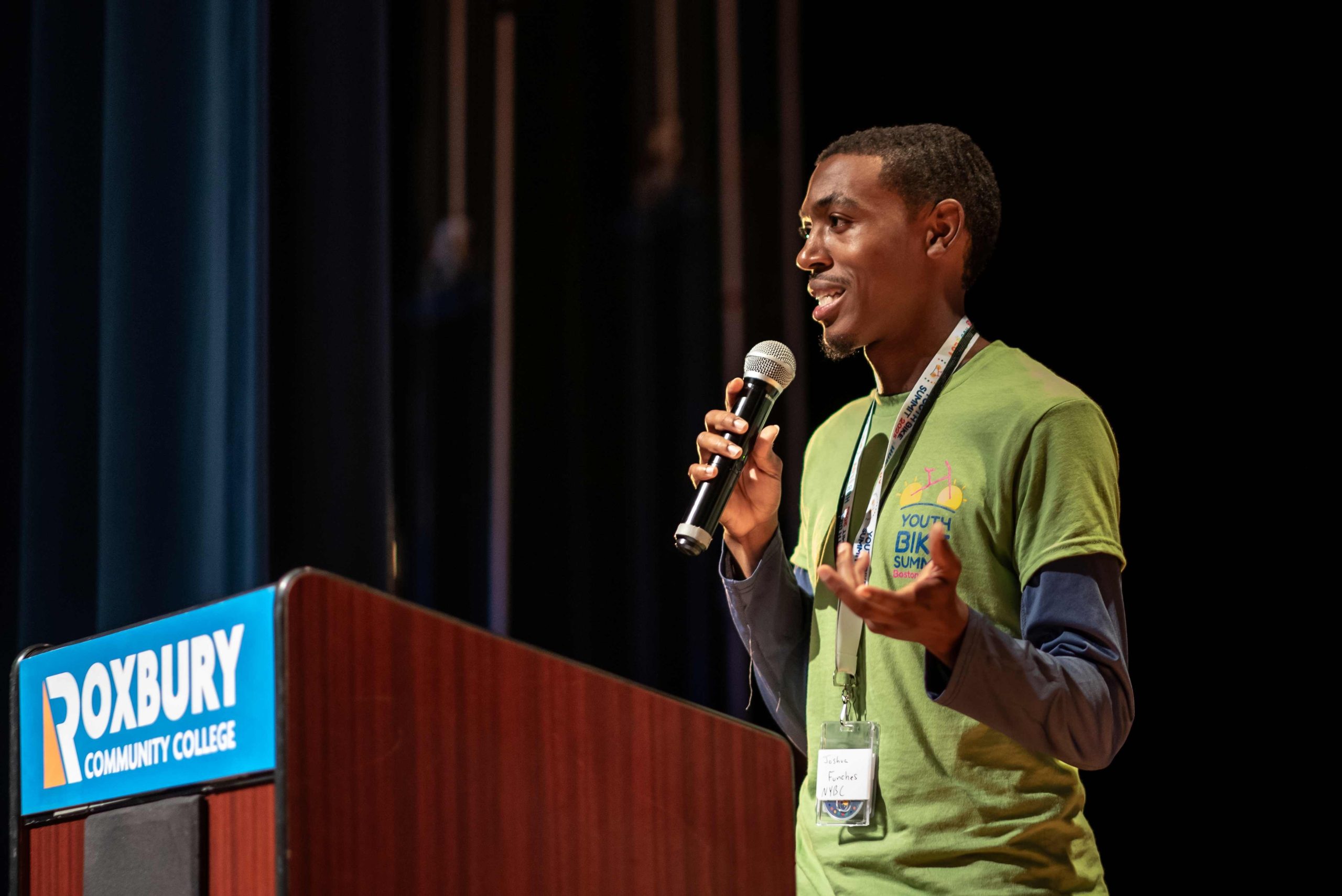
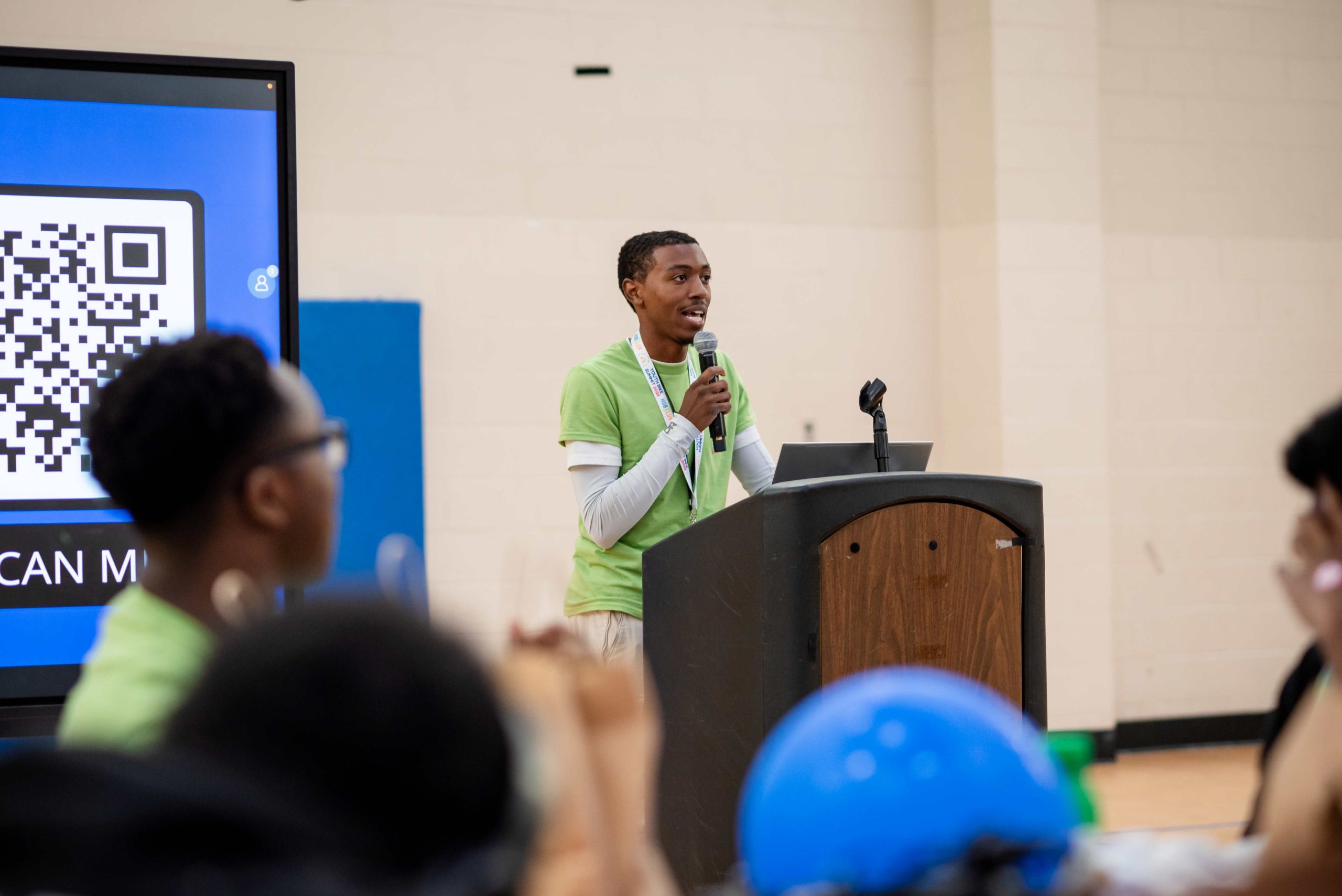
Joshua speaking at the Youth Bike Summit

Joshua speaking at the Youth Bike Summit

Joshua’s Tenure: Partnerships, Progress, and Purpose

During Joshua’s time serving the organization, the National Youth Bike Council discovered national level partnerships
with the recreation, healthcare, and education sectors. As President he also led the organizations through acquiring and
running the Youth Bike Summit from 2022 – 2025. We are very thankful for Joshua’s leadership in creating opportunities
for young leaders to learn, connect and grow through the initiatives of the National Youth Bike Council.

Joshua speaking at the Youth Bike Summit

Joshua is a continued board member of the organization and will be supporting as Board Chair and a Youth Bike Summit
Steering Committee member.

Meet Daniel: New President of the NYBC

In our recent blog we wrote about Joshua F stepping down and Daniel C stepping into the position as President of National Youth Bike Council. Now, it’s time to meet Daniel.

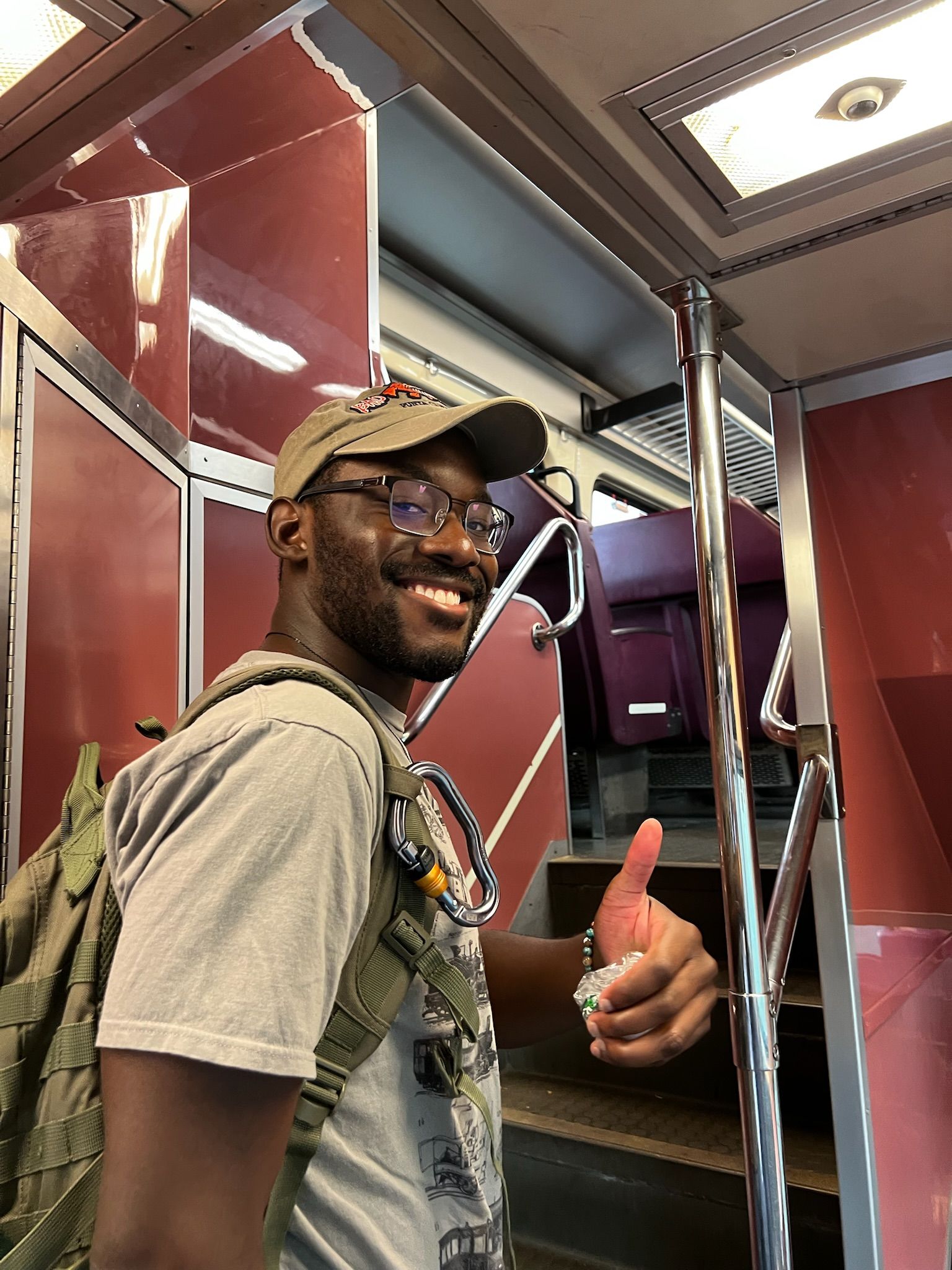
Daniel grew up riding bikes recreationally and around his neighborhood, but nothing more. Now, he commutes by bike almost every day and enjoys exploring new places by bike within the Atlanta Metro area whenever he has time.

Daniel was not always like this, before the Council, he hadn’t really done much related to bicycles. He spent practicing instruments for a marching band and playing video games. Then one day he got an e-bike and became a fan but it did not come without loss. Meaning, Daniel had lost his vehicle prior to getting his first e-bike, it was an unfortunate situation but also his entry point into discovering the freedom and struggles of bicycling. “Though I can’t go nearly as far now, I’ve been surprised by how far I’m actually able to go if I take the right routes.” This all happened about a year and a half after he entered college.

“As my interest in biking and transportation was starting to grow, I found the National Youth Bike Council,” Daniel recalls, “I don’t remember what the post was specifically, but I was intrigued about the organization behind it. After looking up this organization that I had never heard of before, I filled out an application.” And just like that, after a meeting with former president Joshua and the other council members, he became an active council member, representing Atlanta.

Since March of 2024, Daniel has connected with like-minded people who care about our nation’s transportation and the role that bicycles play in that. He attended the Youth Bike Summit this past summer and absolutely enjoyed meeting everyone who went and getting to experience being in Boston for the first time.

“I’m excited to see how alternate transportation modes continue to fill in the gaps that cars and planes have filled for decades, and how the next generation will lead these initiatives” says Daniel. Outside of biking, he is a student at Georgia Tech, an active member of the Navigators, an employee at our Campus Recreation Center, and an avid listener and player of music. His biggest accomplishment is biking to Stone Mountain from Georgia Tech, which he really enjoyed. In what spare time he has left, he likes to post about transportation topics, he recently started an instagram called Daniel Travels (@danieltravelsofficial). This social media brand will be dedicated to being an outlet for him to share information about different aspects of transportation and the ways in which they influence our lives, “I’m excited to see where this experiment will take me”.

As the new President of the National Youth Bike Council, Daniel expects to have a better view of all the initiatives taking place through NYBC, and the role that he and others can play in it. “Some would say I have big shoes to fill, but I think that I’m bringing a different pair of shoes to this position,” Daniel says, “as the NYBC continues to grow and evolve, I want to do what I can to guide it and those affected to a future where we continue to press on hand in hand to advocate for bikes in our neighborhoods, schools, and communities. And so I ask you, will you join me in this journey?”

Joshua Makes Way For New NYBC President

2025 marks the last year that Joshua is serving as the President of the National Youth Bike Council. Joshua served as the National Youth Bike Council president since its inception in 2017. This transition happened a month after the 2025 Youth Bike Summit that took place in Boston between May 30-June 1st 2025. Attendees at the summit heard it first hand from Council Member Pablo when the announcement was made on Sunday June 1st.

Since June the transition has been underway. Today we have the exciting news that Daniel C. will be the new President of the National Youth Bike Council. Leading the Council into its second generation of growth for youth leadership through bicycling and fostering lifelong friendships between current and new Council members.

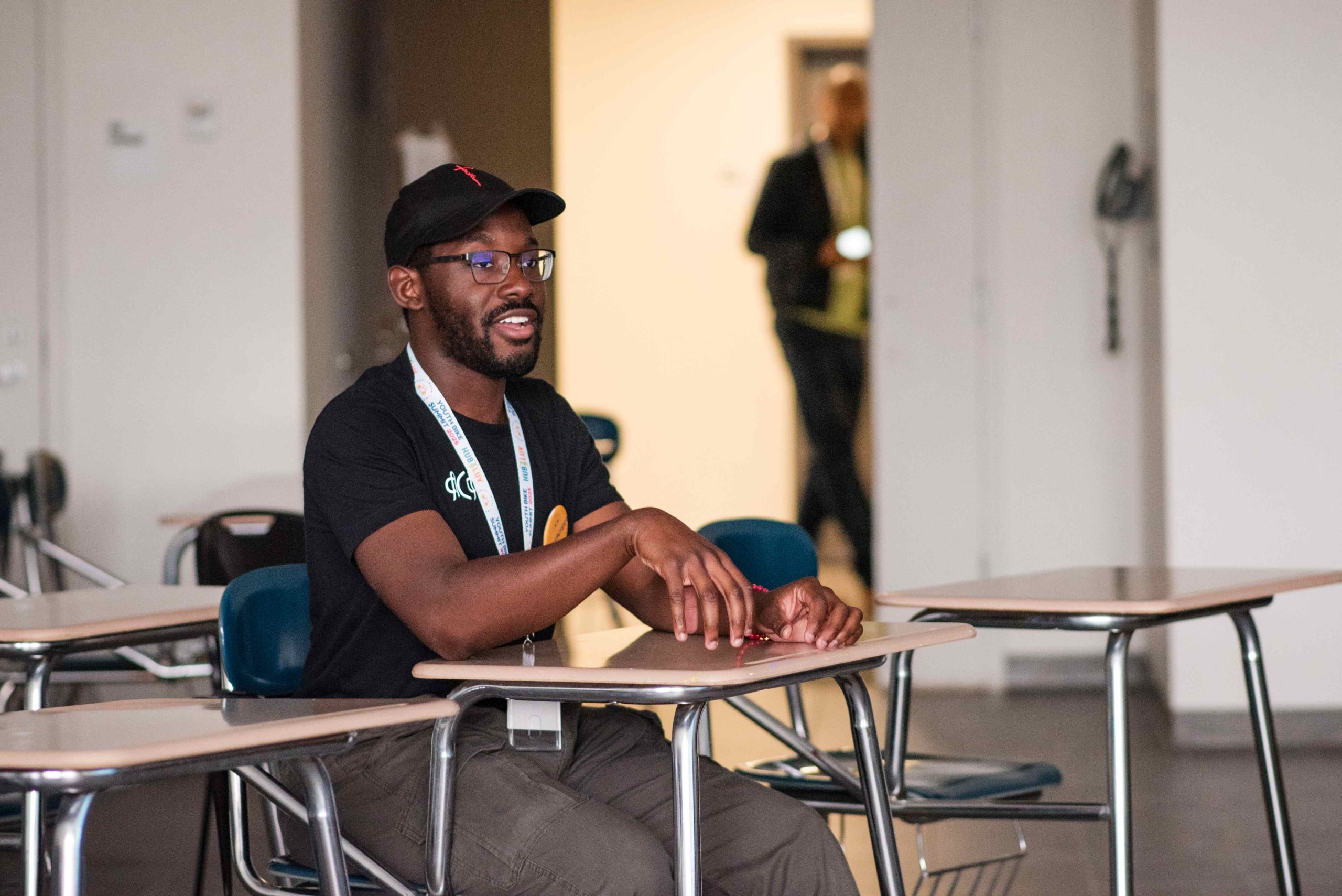
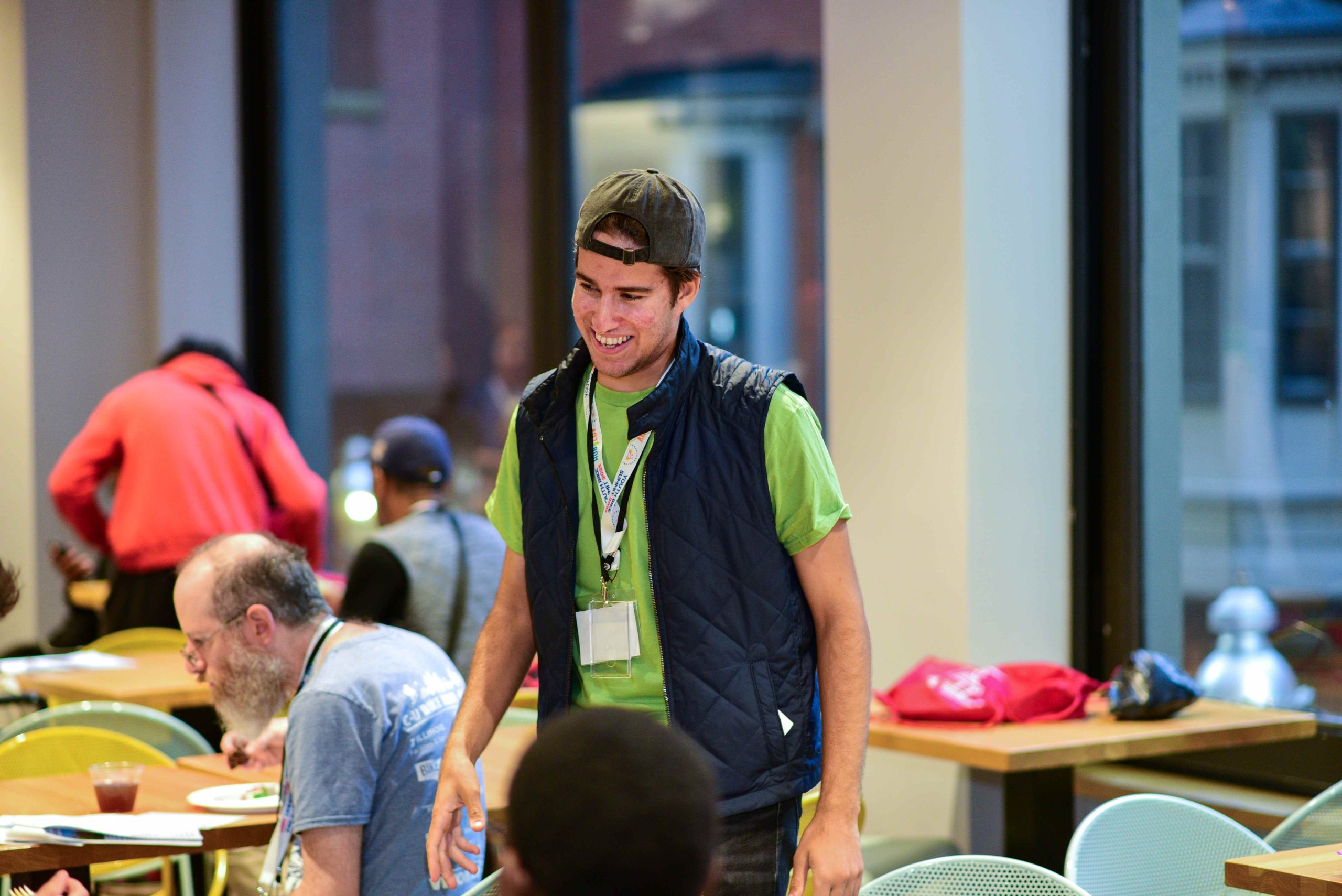
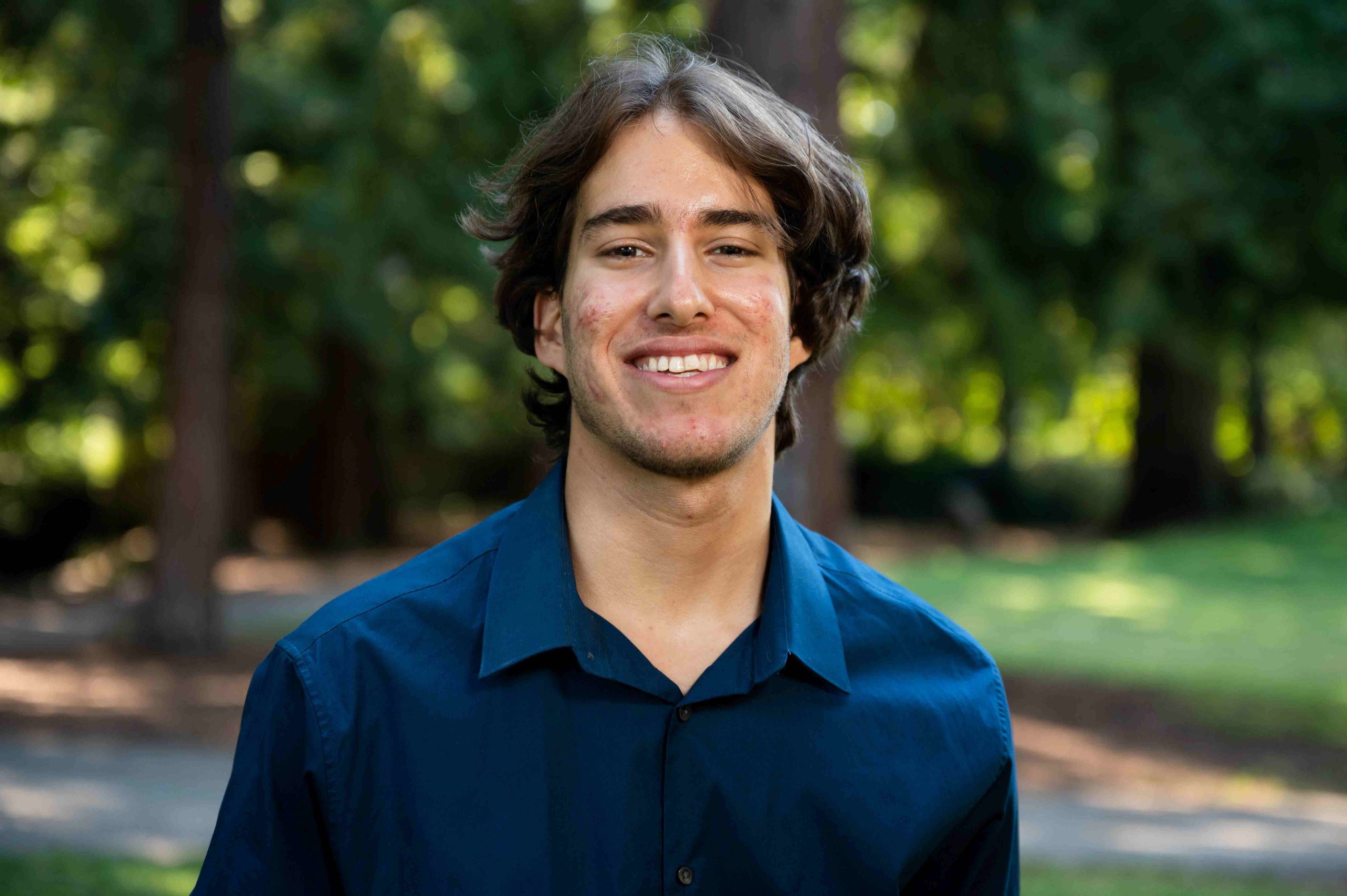
Daniel C. participating in a presentation at the Youth Bike Summit

Joshua speaking at the Youth Bike Summit

During Joshua’s time serving the organization, the National Youth Bike Council discovered national level partnerships with the recreation, healthcare, and education sectors. As President he also led the organizations through acquiring and running the Youth Bike Summit from 2022 – 2025. We are very thankful for Joshua’s leadership in creating opportunities for young leaders to learn, connect and grow through the initiatives of the National Youth Bike Council.

Joshua is a continued board member of the organization and will be supporting as Board Chair and a Youth Bike Summit Steering Committee member.

2025 Awards At The Youth Bike Summit

Author: Youth Bike Summit

Invest In Women’s Entrepreneur scholarship

This year, the National Youth Bike Council worked with select Earn-A-Bike organizations to nominate a young woman for the Invest in Women’s Entrepreneur scholarship. This award is given to a young woman that “goes above and beyond, demonstrating proactiveness and leadership qualities in their bicycle program or community.” This award is funded by Invest In Women’s Entrepreneurs and gives the recipient a scholarship to attend the Youth Bike Summit.

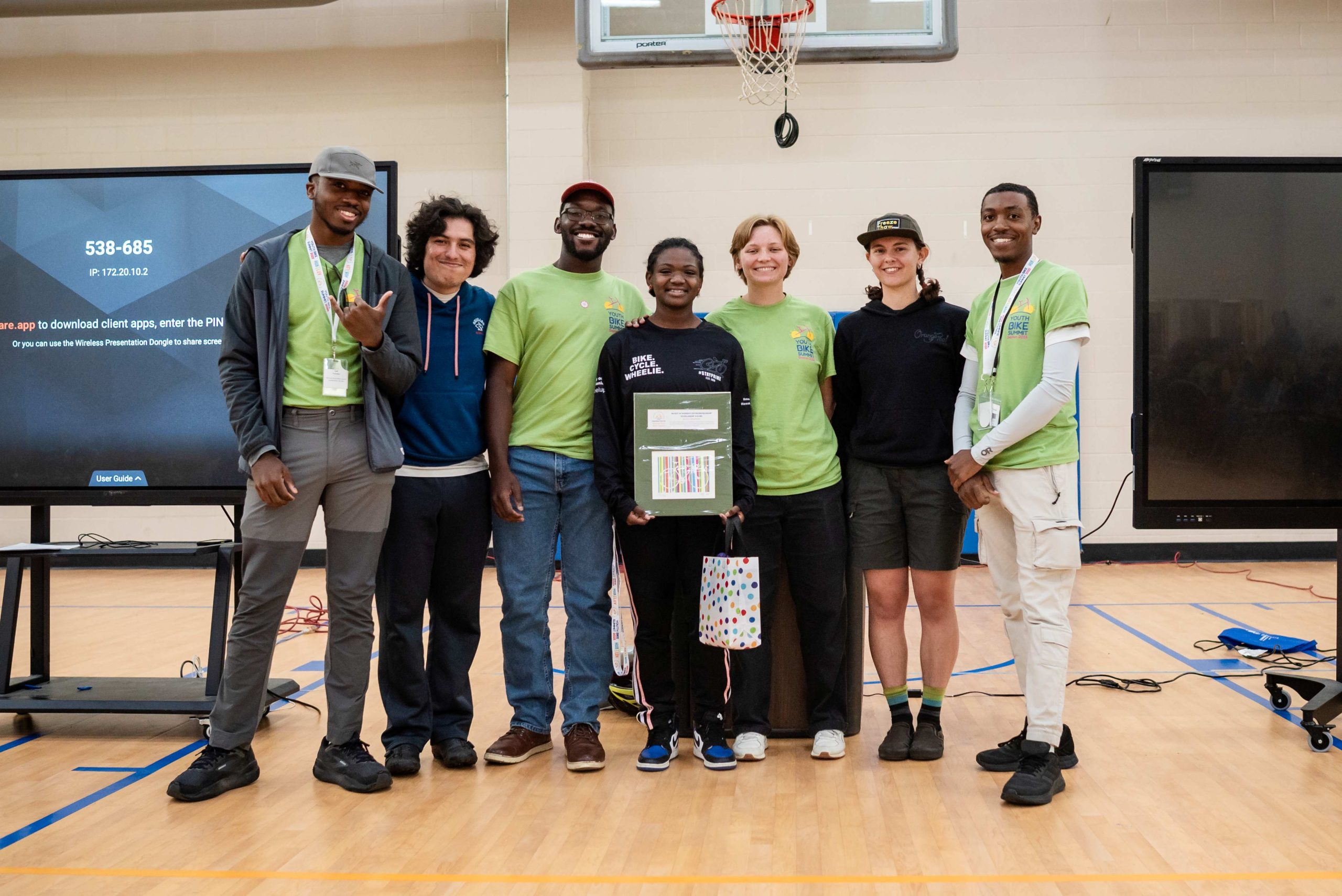
The 2025 Invest in Women’s Entrepreneur scholarship was awarded to Kayla Edwards, a high school student living near D.C., on June 1st.

Kayla spends her time representing the powerful impact cycling has had on Black youth in Washington, DC through her work at Pedalheads, a youth bike camp. She is also a member of Prime Ability, an organization dedicated to uplifting Black youth through cycling and promoting healthy lifestyles as positive outlets for teens from challenging backgrounds. After learning about her nomination, she happily mentioned a moment that has stuck out to her in her work: “I was helping a young kid who believed biking wasn’t for him. He’d never seen anyone who looked like him doing it as a young black kid. He was nervous and didn’t even want to try but I talked with him, taught him step by step [how] to build his confidence. When he finally rode on his own, the pride on his face said everything. That moment reminded me why representation matters and why I do this work. At the end of the day I encouraged him to tell his friends and stuff. With the lead of Coach Clark, we were also able to go to Hart Middle School to build bikes to kick off their Riding for Focus Program.”

Kimberly and Kristi award

The National Youth Bike Council introduced and nominated a young person for the first ever Kimberly and Kristi award that would be presented at the Youth Bike Summit in 2025. The award is in honor of Kimberly White and Kirsti Manco, two young ladies who were pivotal to the start of the Youth Bike Summit movement. The Kimberly and Kristi award celebrates dedication, passion, and taking initiative for a young person, a team, or an organization whose work creates or has the potential for positive change that impacts a community of people the award-winner belongs to.

The 2025 Kimberly and Kristi award was presented to Allan Feldman, a college student at Brandeis University, located near Boston Massachusetts.

Allan’s nomination recognizes his contributions to Brandeis University through a small team of students that planned to revive a sustainable lifestyle on campus through a bicycle share initiative. Allan has also been outspoken and actively engaged with his local bicycle coalition both on and off campus, working to increase road safety of all road users. When receiving the award Allan mentioned his biggest personal project to us. “My biggest personal project has been working to get a bicycle share program on campus, similar to other universities in the Massachusetts area like Tufts and Wellesley.”

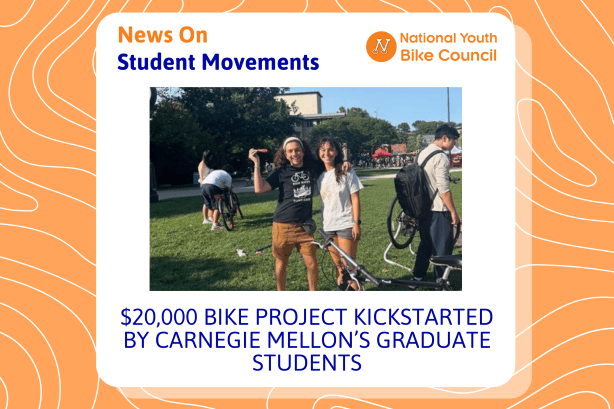
$20,000 Bike Project Kickstarted by Carnegie Mellon’s Graduate Students

Author: Council Member Joshua

It’s called the Tartan Bike Project.

What’s top of mind for college students these days? Freedom to move, affordable transportation, and finding real, meaningful friendships. That’s the spirit behind the Tartan Bike Project, launched by two graduate students, Kenedy and Hosea, who together raised $20,000 toward an on campus ‘Bicycle Project’.

Naturally, we were curious—how did they pull that off? In short, it took a lot of planning.

Since last year, the pair have been moving on launching a bicycle repair & rental space on campus in their free time. Its goal? To create a welcoming space where Carnegie students can gather around bikes, get repairs, borrow a ride, and keep campus life active and mobile—especially in the warmer months.

We Interviewed Kenedy

Moving to a new city was difficult” Kenedy shared. “OBP was a big part of my community, so I wanted something similar in Pittsburgh.

She’s talking about the Orange Bike Project at the University of Texas (UT) in Austin, where she did her undergrad. It was a student-run campus bike program that offered not just tools and repairs—but community. That experience sparked the inspiration behind the Tartan Bike Project.

When Kenedy started college at UT, she got a bike. Then she saw a call for volunteer mechanics at the Orange Bike Project. That was her entry point—not just into fixing bikes, but into a unique kind of student environment with a shared vibe and purpose. The bike shop became her second home.

After moving to Pittsburgh and meeting Hosea, Kenedy found herself in familiar territory—needing to fix her bike. On top of the need to fix it, she was getting ready to invest in a better and higher-end bicycle. The gap of there being no on-campus bicycle spaces got the pair thinking, maybe they were not the only ones with this issue.

After about a semester of listening and getting used to Pittsburgh, they figured out they were right. They were not alone in their needs. The hesitation amongst their peers to invest money or time to learn about bicycles mostly stemmed from a lack of repair support on campus. That growing need, mixed with their own desire for a shared student space, gave a new meaning to something bigger: the Tartan Bike Project.

Getting $20,000

The first part of the journey to starting a Bike Project was not straightforward but they had an idea: a pop-up bicycle stand. Hosea and Kenedy printed a ton of posters and hung them up around the bicycle racks on campus, drawing in over 80 students to their one-day pop up bicycle stand. To make sure it was not a fleeting idea, the two prepared a survey which about 40-50 students filled out, where they asked for volunteers, opinions and needs.

This initiative was so successful that the pair were invited to table at Bike Week which came up a few months after the pop up table. This initiative was run by Transportation Services at Carnegie, led by Michele Porter, the department’s Director. This event offered bicycles that were left around campus to passing students alongside a lot of other amenities from off-campus bicycle providers. The main issue the two noticed was that the bicycles that were given away would end up abandoned again because students had no clue on how to fix up the bicycles. With the help of Kraynick’s Bike Shop, who provided them the tools, the opportunity turned into another promising success, where they fixed as many bicycles as they could that day, building their case for why an on-campus bicycle project was needed.

They worked closely with the school and some friends from Pitt Bike Cave to curate a proposal that went through the Graduate Student Assembly. Simultaneously, they made sure to make friends along the way with Michelle Porter.

Reflecting back, Kenedy mentioned that her role models for starting the Bike Project were more
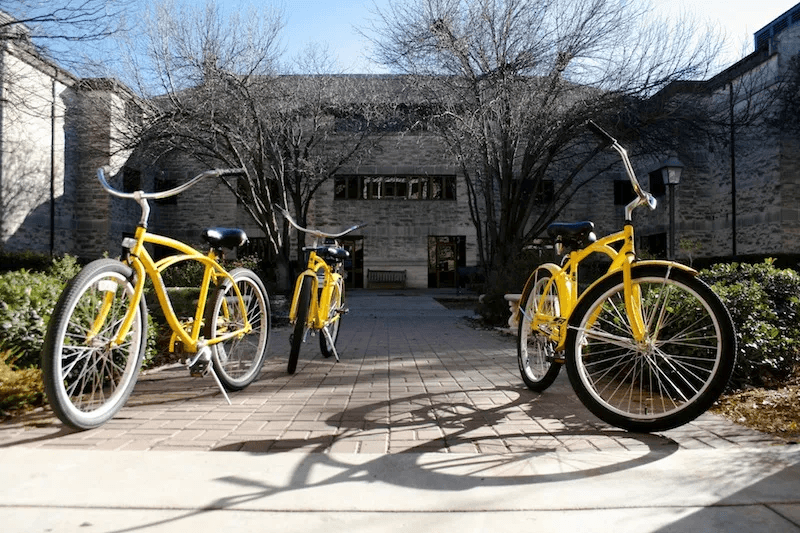
than just the Orange Bike Project students, but Yellow Bike (also located in Austin), Pitt Bike Cave (located in Pittsburgh), and FreeRide. Each organization’s presence in her communities helped make an impact on Kenedy’s decision that an on campus Bike Project would be worth it.

The proposal was approved by the Graduate Student Assembly which got them a multi-year commitment to support the Tartan Bike Project with $20,000. (Later, the Graduate Student Assembly would approve another 3K of additional funding to support other more immediate project needs.)

What’s Next?

Connect with people around you.” That was one piece of advice Kenedy mentioned for students who are considering starting a bicycle project at their university. Their current challenges are now putting into action all the needs they mentioned in the budget.

Hosea and Kenedy know their project is long lasting as support in their work from Carnegie demonstrates the university’s multi-year financial commitment to student transportation needs and fostering on-campus student relationships. The two have big plans and wishes, all the way from offering credited classes with the Tartan Bike Project to being a part of the school’s Transportation Service department.

Tartan Bike Project will be open Fall 2025, starting with a few regular hours, and some social aspects.

Do It Yourself

Hosea and Kenedy are not the only ones with on-campus bicycle projects. There are other long-standing bicycle projects that have figured out what makes a university bicycle project work.

Tatiana from Georgia Tech, is the former president of Starter Bikes, a bicycle project very similar to Tartan Bike Project, at a Bicycle Friendly University has agreed to give us the ‘Essentials to start a College Bicycle Program’ on July 14th at 11:30 AM ET. During the webinar, Tatiana, will break down the essential resources you need to start or sustain a bike program on your campus. From sourcing tools and parts to securing space and allies, she’ll share practical tips and lessons learned from running a thriving student-led bike shop at Georgia Tech.

Sign up for our Newsletter to join the webinar.

More Questions About The Future Youth Bicycling

Creating a bicycling culture requires a fair share of effort. As an industry that generates over $8.4 billion annually, it’s clear the culture is worth the effort. However, when examining growth trends across different demographics—adults and youth—it becomes evident that the enthusiasm has not translated into increased participation among young adults and teens.

According to the National Sporting Goods Association (2024) and highlighted by Scott Fitzgerald of Pedal Kids USA at the National Bicycle Dealer Association’s 2024 Annual Summit, youth bicycle ridership has dropped to a generational low. In the early 2000s, 41% of 44 million children and teens (ages 7-17) participated in bicycling. Despite an increase in the youth population to 50 million, only 22% engaged in bicycling in 2024. This means that four out of every five children are without the essential cognitive, physical, and emotional benefits of bicycling. It also means that 4 out of 5 children are uneducated or misinformed on how to ride a bicycle in their city.

Photo provided by Scott Fitzgerald during the National Bicycle Dealer Associations Summit.

Is This Decline Going To Stop?

Is bicycling becoming outdated among younger generations? That’s the ultimate question. As youth ridership widely declines, critical questions arise:

Is becoming outdated an existential threat to the bicycling industry?
Have we seen meaningful growth in cycling participation, or does it feel stagnant?
When was the last time bicycling has modernized itself to align with modern day youth interests?
How do we encourage long-term youth engagement with bicycling?

Over the past decade, despite declining youth participation, there has been an increase in bicycle-related programs, initiatives, and federal funding. If investment in cycling programs is growing, why does youth ridership continue to fall? Are current programs effectively addressing the needs of young riders? Are they sufficient to reverse this decline?

Bicycle shops, like Scott’s, a part of the National Bicycle Dealers Association have been raising these concerns. Youth-bicycle programs across the U.S. are most commonly ask how to “tap into best practices from other organizers and increase resource sharing from other groups” or mention how their “biggest challenge is finding ways to speak to and involve youth in [their] events, advocacy, and education. We could use some help from the experts!”

The core issue is clear: how do we establish a sustainable framework that ensures long-term youth engagement with bicycling?

Photo provided by Scott Fitzgerald during the Youth-Bike Hub webinar: Modernizing How We Think About Youth Cycling

What Makes Youth Bicycling, Youth Bicycling?

Now more than ever, to address this crisis it requires a structured, sustainable approach to youth bicycling. Youth Bicycling is defined as participation with the bicycle of children, teens, and young adults up to age 24. Meaningful engagement begins early and should extend through key developmental stages—elementary school, middle school, high school, and college.

Creating a continuous pipeline of programmatic or spontaneous engagement fosters a cycle of participation, leadership, and mentorship at each stage. Other industries have demonstrated how structured youth involvement leads to long-term retention & volunteerism, career pathways, and leadership development. The cycling industry must adopt a similar approach to cultivate a lasting impact.

For this to be successful, a national alliance or governing body should guide and reward achievements toward long-term engagement. Without a centralized effort, programs will remain fragmented, limiting their potential for sustained impact.

What Makes Youth Bicycling, Youth Bicycling?

Now more than ever, to address this crisis it requires a structured, sustainable approach to youth bicycling. Youth Bicycling is defined as participation with the bicycle of children, teens, and young adults up to age 24. Meaningful engagement begins early and should extend through key developmental stages—elementary school, middle school, high school, and college.

Creating a continuous pipeline of programmatic or spontaneous engagement fosters a cycle of participation, leadership, and mentorship at each stage. Other industries have demonstrated how structured youth involvement leads to long-term retention & volunteerism, career pathways, and leadership development. The cycling industry must adopt a similar approach to cultivate a lasting impact.

For this to be successful, a national alliance or governing body should guide and reward achievements toward long-term engagement. Without a centralized effort, programs will remain fragmented, limiting their potential for sustained impact.

The Biggest Risks of Continued Decline?

If this trend is not addressed, both the cycling industry and public health will face significant consequences. The immediate and long-term effects include:

Within the Industry:

Fragmented messaging about bicycling’s role and who it serves
Inefficient allocation of corporate funds, leading to duplication rather than growing the cycling industry
Difficulty in accurately tracking youth ridership trends
Missed opportunities for collaborative, innovational programs as youth interests evolve
A constant need for corporate giving due to high youth turnover rather than youth-to-adult conversion

Beyond the Industry:

Limited accessibility for underserved communities, who are often reached last
A disjointed experience for young riders who must navigate different bicycling disciplines without clear guidance
Inability to establish a national alliance without industry-wide support
Lack of proactiveness leads to lack of say in how this long-term youth engagement is resolved and low ridership numbers are resolved
Missed opportunities to align with broader, current events: i.e. public health and sustainability initiatives
Bicycling risks becoming socially-outdated

A Future Without Young People Biking Does Not Have To Be Inevitable

A coordinated, long-term approach to youth cycling engagement is crucial to reversing this decline. It’s the task of the focused alliance to answer meaningful questions and create accurate metrics to track success. Key questions for industry leaders & alliances to answer include:

What concrete steps can be taken to ensure every child has the opportunity to experience cycling?
How can we redefine industry support for youth bicycling?

One critical and often overlooked strategy is youth leadership development. Programs that actively integrate youth into leadership roles—such as peer mentors, facilitators, and decision-makers—create an organic pathway for sustained engagement. Organizations that prioritize this approach have demonstrated higher retention rates and knowledge about organizational sustainability.

The Role Of The Youth Bike Summit

The National Youth Bike Council leads the Youth Bike Summit, a three-day annual event that brings together educators, program leaders, and youth advocates from across the U.S. to discuss concepts like this with their peers. By placing youth at the forefront—as speakers, decision-makers, and facilitators—the summit highlights the power of youth-driven initiatives.

Knowledge sharing and modernizing youth bicycling concepts is essential. Supporting initiatives like the Youth Bike Summit and ensuring that educators, community leaders, and organizations can attend is critical to creating a sustainable youth bicycle movement.

The Underdog To Combating Youth Mental Health: Bicycling

Author: Council Members Joshua

Unlike other physical activities such as running, walking, or playing soccer, bicycling offers unique versatility in addressing both physical and mental health challenges.

The youth mental health crisis in the U.S. has reached alarming levels. Data indicates a significant increase in mental health disorders among adolescents. According to the National Institute of Mental Health (2021), approximately 20.1% of U.S. youth aged 12 to 17 experienced at least one major depressive episode in the past year. Furthermore, the prevalence of anxiety disorders among adolescents was reported at 31.9% from the National Institute of Mental Health.

The Global Mind Project published a 2024 report acknowledging the levels of distress between 2019 and 2024 have doubled from 15% to 30% over the last five years, with younger generations experiencing the sharpest decline in mental well-being. The report attributes much of this decline to the lingering effects of the 2020 pandemic, with minimal signs of recovery among younger age groups.

The physical health of youth in America remains a significant concern as well, marked by challenges such as increasing obesity rates and inadequate physical activity levels. According to the U.S. Department of Health and Human Services (2018), only 24.5% of youth aged 6 to 17 meet the recommended guidelines for at least 60 minutes of moderate-to-vigorous physical activity per day.

The Global Mind Project, The Mental State of the World in 2024 Report: Shows an increase in distress and struggles for all age groups

A Bicycle Is More Than Getting Outside

Research consistently shows that outdoor activity improves overall well-being compared to a sedentary lifestyle. However, engagement matters—merely being outside without an activity is far less beneficial than actively participating in one. Among outdoor activities, bicycling offers three distinct advantages: recreational use, a career pathway, and a mode of transportation.

The simple act of bicycling has been proven to aid in 3 key areas of mental and physical health.

  1. Stress Relief: Research by Craft and Perna, as highlighted in _The Benefits of Exercise for the Clinically Depressed_, demonstrates that cycling helps alleviate stress by releasing endorphins, leading to improved mood and emotional well-being.
  2. Improved Sleep Quality: Sleep disturbances are common among young adults experiencing mental health challenges. Regular bicycling has been associated with improved sleep quality, helping to regulate sleep patterns and contribute to better overall mental health. Journals like “_High exercise levels are related to favorable sleep patterns and psychological functioning in adolescents: a comparison of athletes and controls._” highlight this.
  3. Enhanced Cognitive Function: Bicycling is not only a physical activity but also a cognitive one, requiring attention to the environment and decision-making. Research published in _Be Smart, Exercise Your Heart: Exercise Effects on Brain and Cognition_ (2008) links cycling to improved cognitive function, reduced brain fog, and enhanced concentration.

Bicycling also supports both independent and social engagement. For those who prefer solo activities, cycling fosters autonomy, self-motivation, and confidence. Autonomy is so important for youth, it leans into one of the strongest aspects of bicycling: connecting communities and people. Conversely, group cycling strengthens community connections, reducing social isolation and promoting cross-cultural interactions.

An Increase In Innovation Should Be An Increase In Ridership

In the last ten years, electric bicycles have increased in use among consumers, federal funding and rebates have incentivized bicycle ownership in select states, and local cycling initiatives have expanded. Despite all of that, bicycle ridership for youth ages 7-17 is at a generation low as reported by the National Sporting Goods Association in 2024. It’s estimated that about 41% of 44 million children and teens (7-17) participated in bicycling throughout the 2000’s compared to an increase of 50 million children but a sharp decrease to only 22% of them participating in bicycling in 2024. Despite an increase in the total youth population, fewer children and teens are cycling today than two decades ago.

This decline has serious consequences. Four out of five children are missing out on the cognitive, emotional, and physical benefits of cycling. Additionally, many youth lack basic knowledge of how to navigate their cities by bicycle, further limiting their independence and mobility.

The Elephant In The Room: Safety

This raises a few questions:
– Are we designing cities and policies that actively promote sedentary lifestyles?
– What lessons can we learn from past eras of high youth ridership to inform the future?

The bicycling industry, now valued at over $8.4 billion, has evolved to incorporate extensive safety measures, adapting to modern infrastructure and transportation needs. Likewise, the 21st century brings evolved curriculums in youth-bicycle programs, finding unique ways to educate and perform on modern-day safety requirements.

One common project model called Earn-A-Bike, for example, demonstrated modern teachers. Over an eight-week period, students restore donated bicycles, learning essential maintenance skills. Upon completion, they keep the bicycles they have repaired, for free. Throughout the program, participants also receive structured training on bicycle safety and navigation, ensuring they are well-equipped to ride confidently in their communities.

The Earn-A-Bike program is just one of many solutions that need to be expanded and shared with communities nationwide. Education on these options is essential—not only for youth but also for program coordinators, educators, and local officials, whom we refer to as our support network.

Through the Youth-Bike Hub (YB Hub), the National Youth Bike Council is working to elevate and promote youth bicycling programs across the country with our support network. In its first year alone, the YB Hub identified 14 different ways that youth-focused bicycle programs positively impact their communities beyond health benefits. We help facilitate knowledge-sharing year-round through monthly webinars, an annual conference, and an online resource hub. Expanding access to youth bicycling is not just beneficial—it is essential.

Support for the National Youth Bike Council is an actionable step to defend this generation from what the CDC (U.S. Centers For Disease Control and Prevention) has been classified as a Mental Health Crisis for another year in a row. Get involved by donating to make an impact or emailing us (info@nybcouncil.com). With your support we can ensure that bicycling remains a cornerstone of youth wellness, independence, and community engagement.

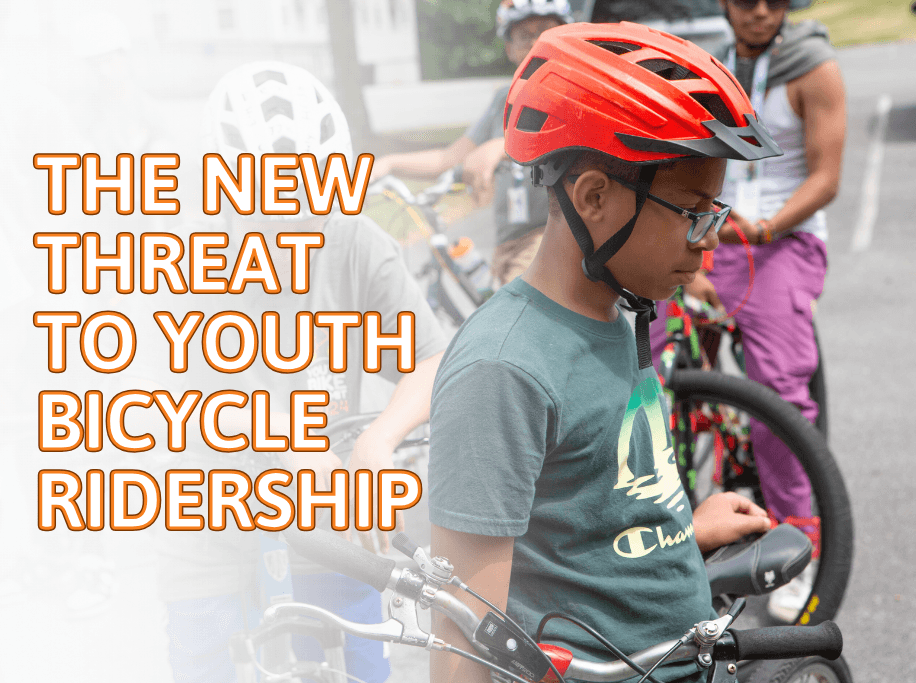
The New Threat To Youth Bicycle Ridership

Author: Council Members Joshua

Joseph, a dedicated instructor at a Rhode Island-based middle school, leads a bicycle program that teaches students how to ride for the first time. His students gain confidence and independence as they explore local trails during school hours. However, the program faces a significant challenge: retention. As students transition to high school, engagement declines, and many never return to bicycling. Without continued participation, the motivation to ride fades, limiting the long-term impact of programs like Joseph’s.

This challenge is not unique. Programs such as Silver Stallion, based in the Navajo Nation and led by Scott Nydam and his team, encounter similar difficulties in sustaining ridership and engagement over time.

Data from the National Sporting Goods Association highlights the severity of this decline. According to their 2024 report, youth bicycle ridership has dropped to a generational low. In the early 2000s, 41% of 44 million children and teens (ages 7-17) participated in bicycling. Despite an increase in the youth population to 50 million, only 22% engaged in bicycling in 2024. This means that four out of every five children are without the essential cognitive, physical, and emotional benefits of bicycling. It also indicates that a vast majority of youth are not learning how to navigate their cities by bicycle, leading to a knowledge gap that further discourages ridership.

IS THIS A CRISIS? WHY IT MATTERS

Beyond the concerns of individual bicycle programs, this decline raises broader questions:

  • Is bicycling becoming outdated for today’s youth?

Photo provided by Scott Fitzgerald during the National Bicycle Dealer Associations Summit, demonstrating the lack of ridership despite the increase in youth population in the U.S.

MENTAL HEALTH THREATENS RIDERSHIP GROWTH

How does a decrease in mental and physical wellness relate to bicycle sales for youth, youth bicycle ridership, and participation in bicycle programs? The Global Mind Project’s 2024 report reveals that distress levels among young people have doubled in the last five years, rising from 15% in 2019 to 30% in 2024, with minimal signs of improvement. The report states, “Younger age groups saw a dramatic decline of over 40 points, while those over age 55 showed little change. Since the 2021 low, recovery among younger generations has been minimal.”

The Global Mind Project, The Mental State of the World in 2024 Report: Shows an increase in distress and struggles for all age groups

The CDC has officially declared youth mental health a crisis. Yet, despite mounting concerns, bicycling—once a natural outlet for stress relief, physical activity, and social connection—is not a first choice of self-prescription or promoted as a solution. As motivation and activity levels decline among young people, how will they rediscover bicycling as a source of well-being?

Joseph’s middle school program provides students with physical activity, social connection, and a sense of achievement. However, when students age out or lack opportunities to continue riding beyond school hours, they lose access to these benefits. In a generation overwhelmed by digital distractions and constant demands on their attention, bicycling is often overlooked in favor of screen time—despite being an unmatched tool for autonomy, stress relief, and overall well-being.

Without intentional intervention, the industry risks allowing this decline to continue, further distancing young people from the benefits of bicycling.

OUR ROLE IN COUNTERING THIS THREAT

Joseph recognizes that to sustain youth bicycling in Rhode Island, he needs support. His search leads him to the Youth Bike Summit, a three-day annual event that brings together educators, program leaders, and youth advocates from across the U.S. Through workshops, discussions, and peer learning, he discovers strategies to keep students engaged beyond middle school, re-engage alumni, and build partnerships that support cycling within families and communities.

At the summit, young people take center stage as keynote speakers, facilitators, and decision-makers. Through their leadership, attendees like Joseph gain fresh perspectives on how to address declining ridership and rising mental health concerns. Equipped with new insights, resources, and a network of fellow advocates, Joseph is better prepared to sustain and expand his program’s impact.

Knowledge sharing and modernizing youth bicycling programs are critical to reversing this trend. Supporting initiatives like the Youth Bike Summit and ensuring that educators, community leaders, and organizations can attend is essential to preserving and growing youth ridership.

Get involved today. Support meaningful bicycling experiences for young people by donating or partnering with us (email us: info@nybcouncil.com) to reverse the youth ridership decline. Together, we can ensure that bicycling remains a vital tool for youth wellness, independence, and community connection.

Q&A With Allan Of Brandeis University

Author: Council Members Zoe

Meet Allan
We asked Allan what motivated him to start a Bicycle Library like the late DeisBikes project. He attributed it to riding a bicycle as a youth and experiencing how limited the bicycle infrastructure was on campus. All he wanted at first was just a few more bicycle racks to attend class. Then he started to dream bigger once he learned more about how DeisBikes used to operate. Now, he wants to leave Brandeis, but not before having established a bike library program, having that come to fruition would be a dream. He acknowledged this in addition to all of his other duties as a student, where reviving a program similar to the old DeisBikes would be a significant achievement for himself and Brandeis.

(Allan, a Brandeis student)

Determined to address these concerns, Allan plans to submit continue his work in the Spring of 2025. He also envisions an educational component to the program if time allows, offering common-knowledge bicycle safety tips for students with varying levels of experience. It’s also not unheard of for bicycle libraries or collegiate bicycle communities to share the same color scheme as the university, like Southwestern University out of Georgetown Texas does with their Pirate Bikes.

(Pirate Bikes – Photo credit of Peter Suciu with Bike Radar)

Drawing further inspiration from other bike-share programs with Tufts Bikes in Tufts University located near Boston, he hopes to see convenient bike racks at every building, a convenient technical way to checkout bicycles, and off-campus maps highlighting the best bike routes.

Q&A With Allan

1. What bicycle do you ride and what’s the name of it?
A: I ride two bikes. The bike I ride in Boston is the 2018 Giant Contend 3, which I used to commute to school daily last year.

2. What other forms of transportation do you use as a student when not riding a bicycle?
A: I like to use the Brandeis Shuttle, particularly to get into Boston and Cambridge on the weekends or into Waltham. I also use the commuter rail often and the MBTA bus to get outside of Waltham– Bus 70 is a life saver. Otherwise, I tend to walk around campus, and sometimes will use a ride-hailing service like Uber or Lyft.

3. How often do you ride as a student?
A: During the school year I like to ride around once a week on the weekend for anywhere from 30 to 120 mile rides, either solo or with a friend. This doesn’t include occasional races with Brandeis Club Cycling. I also participate in cross-training with running.

4. How can students or faculty that potentially see this help?
A: The goal is trying to get other campus bike shares in Boston together for community events, education bike workshops, and just larger thinking. However, any support is welcome. The best way to reach me is by sending me an email at alfeldman@brandeis.edu.