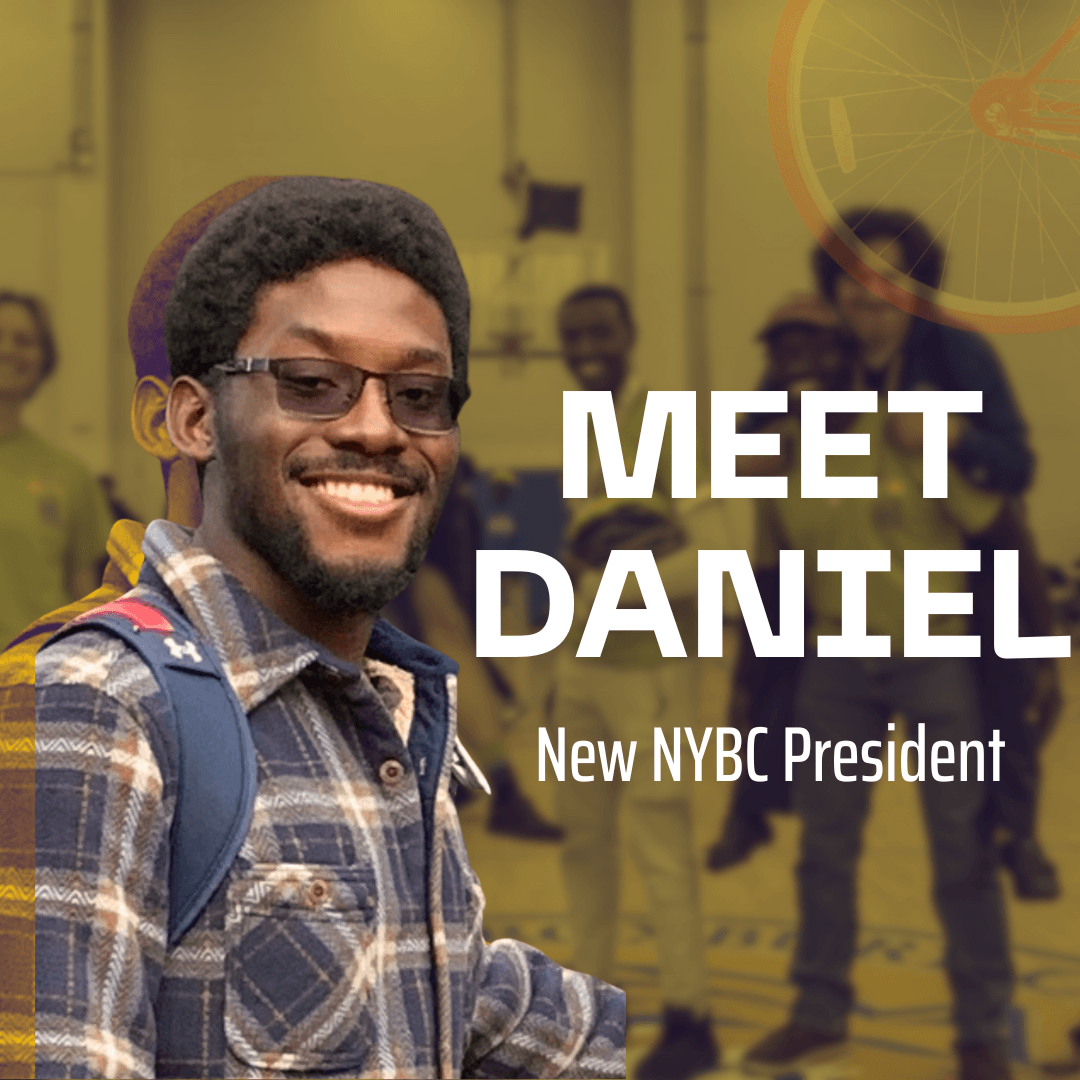
Meet Daniel: New President of the NYBC

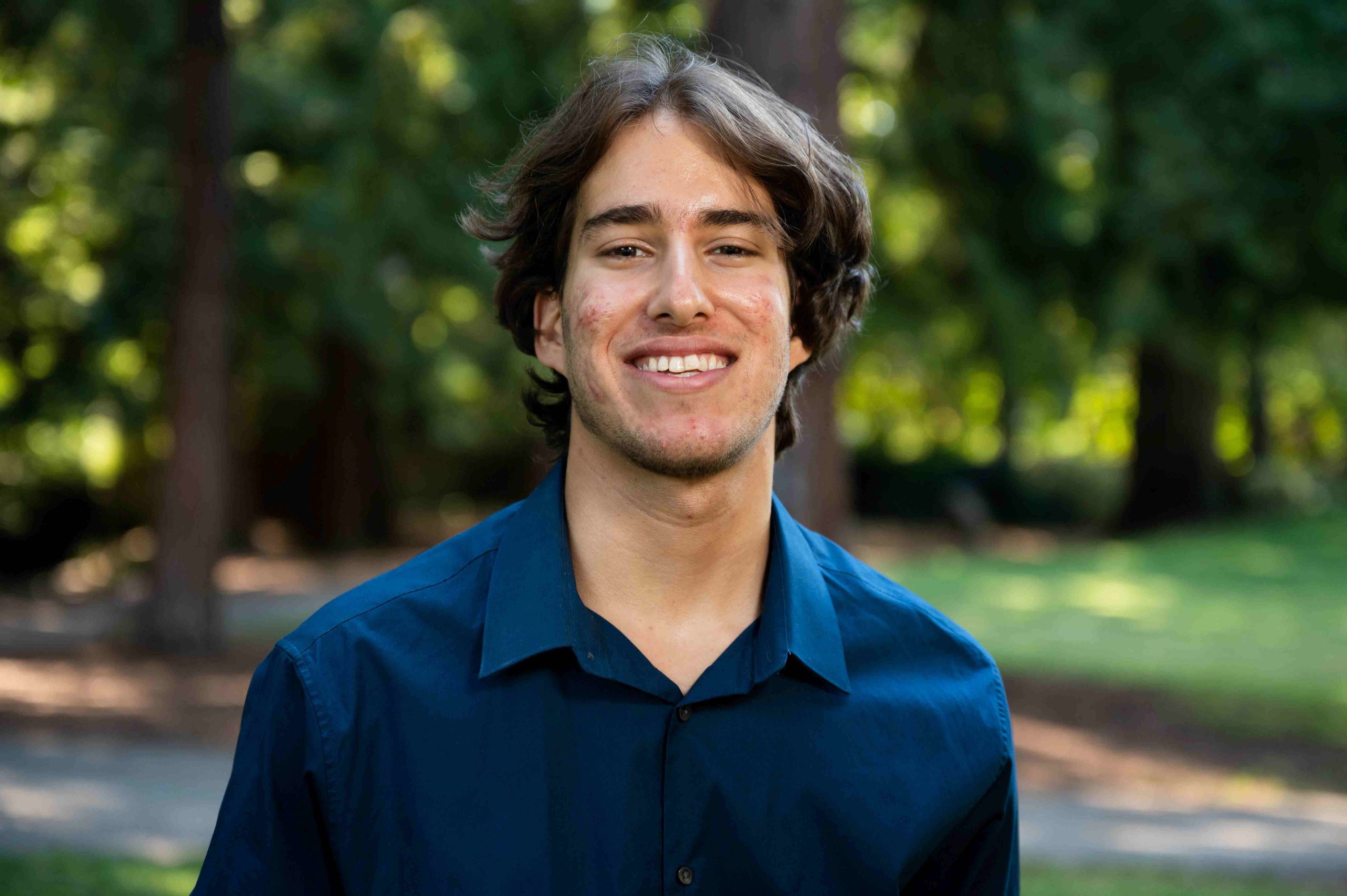
In our recent blog we wrote about Joshua F stepping down and Daniel C stepping into the position as President of National Youth Bike Council. Now, it’s time to meet Daniel.

Daniel grew up riding bikes recreationally and around his neighborhood, but nothing more. Now, he commutes by bike almost every day and enjoys exploring new places by bike within the Atlanta Metro area whenever he has time.

Daniel was not always like this, before the Council, he hadn’t really done much related to bicycles. He spent practicing instruments for a marching band and playing video games. Then one day he got an e-bike and became a fan but it did not come without loss. Meaning, Daniel had lost his vehicle prior to getting his first e-bike, it was an unfortunate situation but also his entry point into discovering the freedom and struggles of bicycling. “Though I can’t go nearly as far now, I’ve been surprised by how far I’m actually able to go if I take the right routes.” This all happened about a year and a half after he entered college.

“As my interest in biking and transportation was starting to grow, I found the National Youth Bike Council,” Daniel recalls, “I don’t remember what the post was specifically, but I was intrigued about the organization behind it. After looking up this organization that I had never heard of before, I filled out an application.” And just like that, after a meeting with former president Joshua and the other council members, he became an active council member, representing Atlanta.

Since March of 2024, Daniel has connected with like-minded people who care about our nation’s transportation and the role that bicycles play in that. He attended the Youth Bike Summit this past summer and absolutely enjoyed meeting everyone who went and getting to experience being in Boston for the first time.

“I’m excited to see how alternate transportation modes continue to fill in the gaps that cars and planes have filled for decades, and how the next generation will lead these initiatives” says Daniel. Outside of biking, he is a student at Georgia Tech, an active member of the Navigators, an employee at our Campus Recreation Center, and an avid listener and player of music. His biggest accomplishment is biking to Stone Mountain from Georgia Tech, which he really enjoyed. In what spare time he has left, he likes to post about transportation topics, he recently started an instagram called Daniel Travels (@danieltravelsofficial). This social media brand will be dedicated to being an outlet for him to share information about different aspects of transportation and the ways in which they influence our lives, “I’m excited to see where this experiment will take me”.
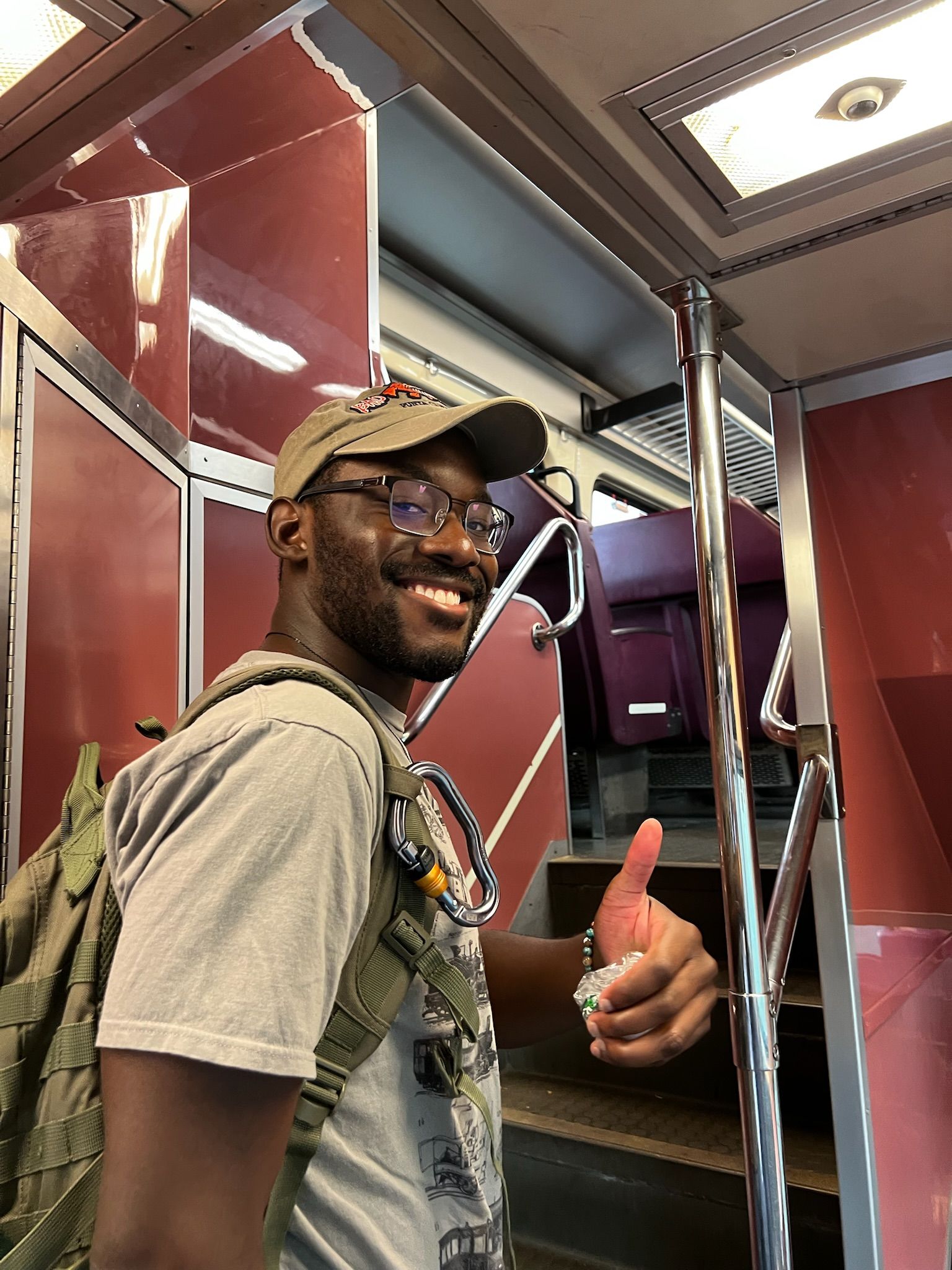
As the new President of the National Youth Bike Council, Daniel expects to have a better view of all the initiatives taking place through NYBC, and the role that he and others can play in it. “Some would say I have big shoes to fill, but I think that I’m bringing a different pair of shoes to this position,” Daniel says, “as the NYBC continues to grow and evolve, I want to do what I can to guide it and those affected to a future where we continue to press on hand in hand to advocate for bikes in our neighborhoods, schools, and communities. And so I ask you, will you join me in this journey?”
Joshua Makes Way For New NYBC President

2025 marks the last year that Joshua is serving as the President of the National Youth Bike Council. Joshua served as the National Youth Bike Council president since its inception in 2017. This transition happened a month after the 2025 Youth Bike Summit that took place in Boston between May 30-June 1st 2025. Attendees at the summit heard it first hand from Council Member Pablo when the announcement was made on Sunday June 1st.

Since June the transition has been underway. Today we have the exciting news that Daniel C. will be the new President of the National Youth Bike Council. Leading the Council into its second generation of growth for youth leadership through bicycling and fostering lifelong friendships between current and new Council members.

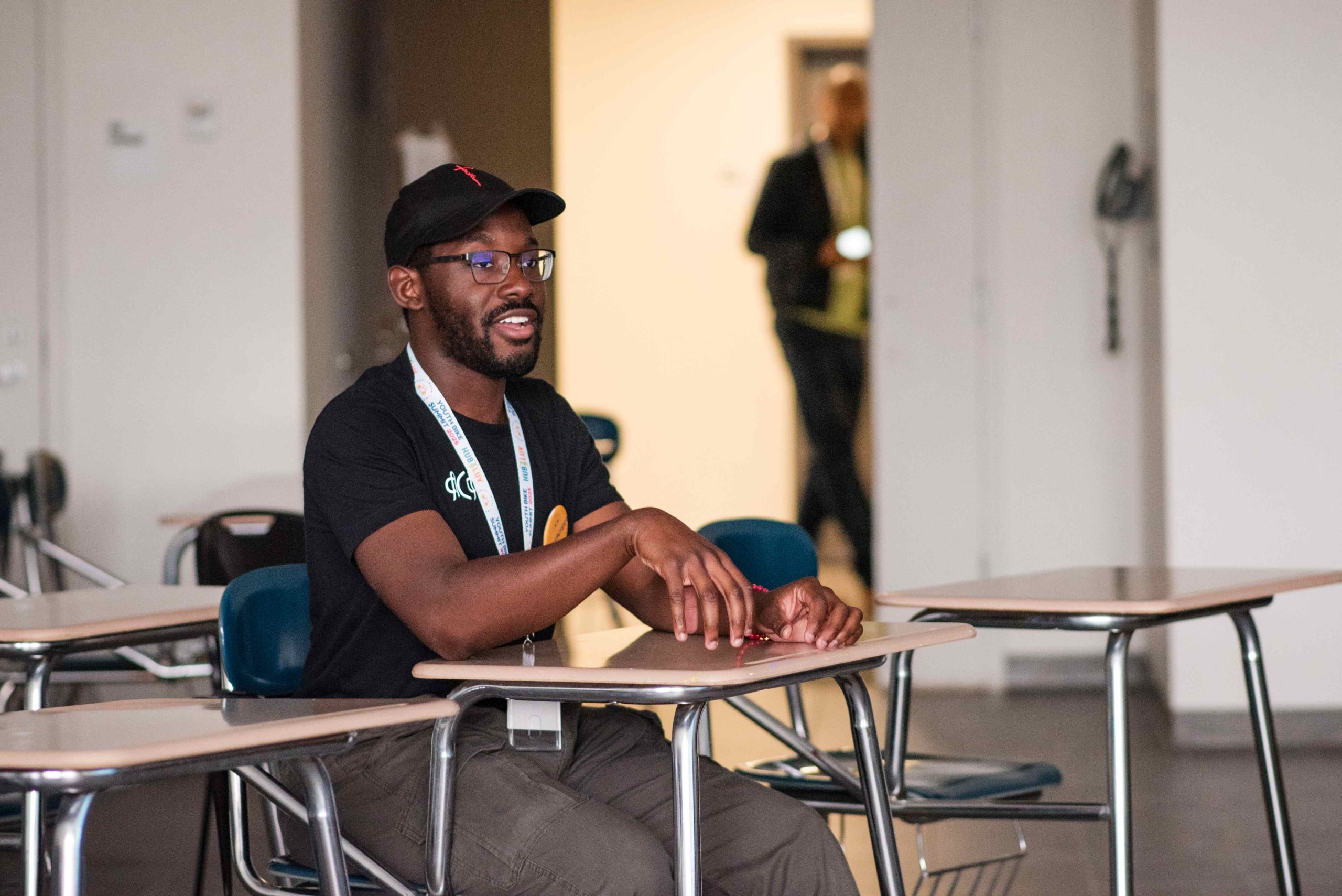
Daniel C. participating in a presentation at the Youth Bike Summit

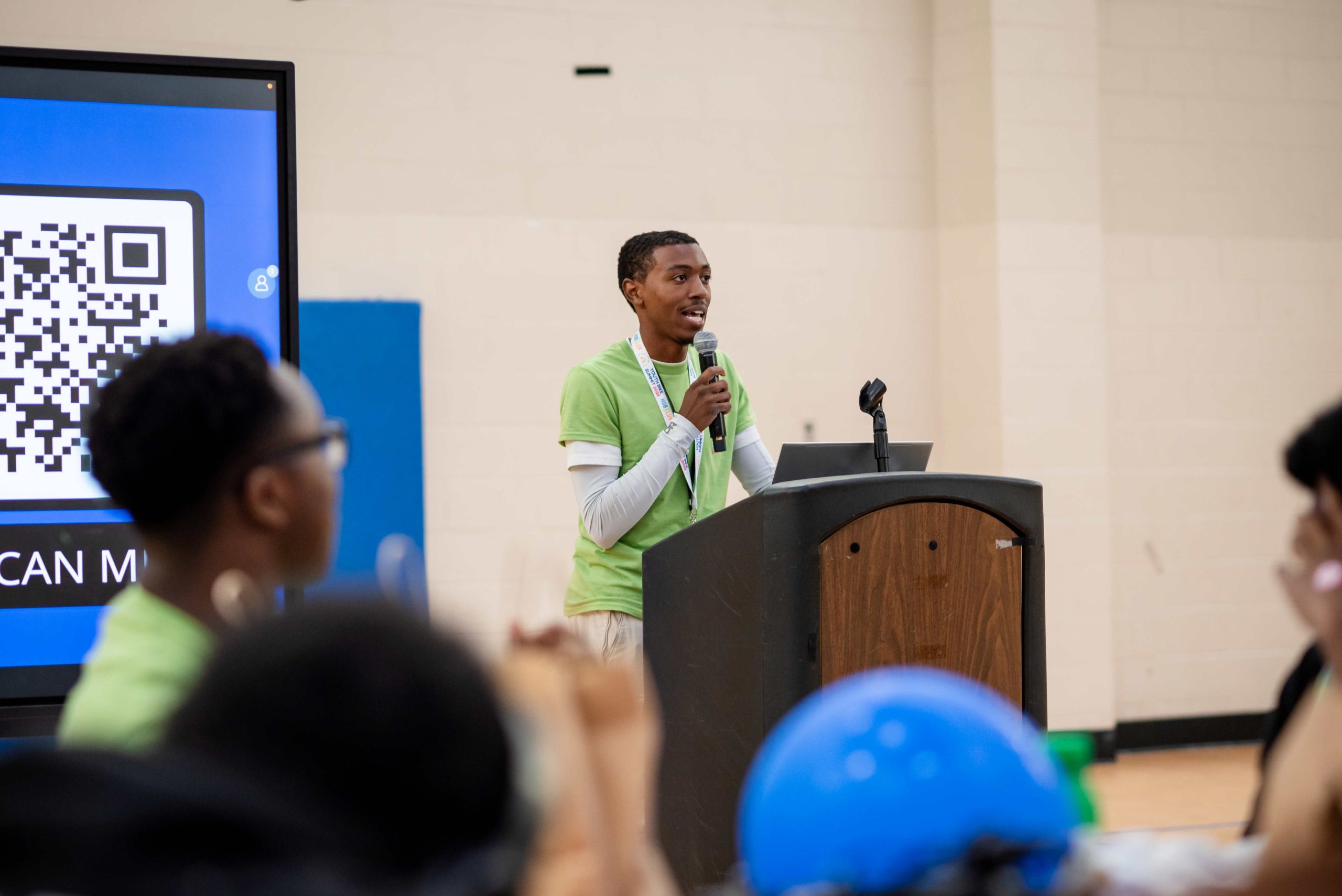
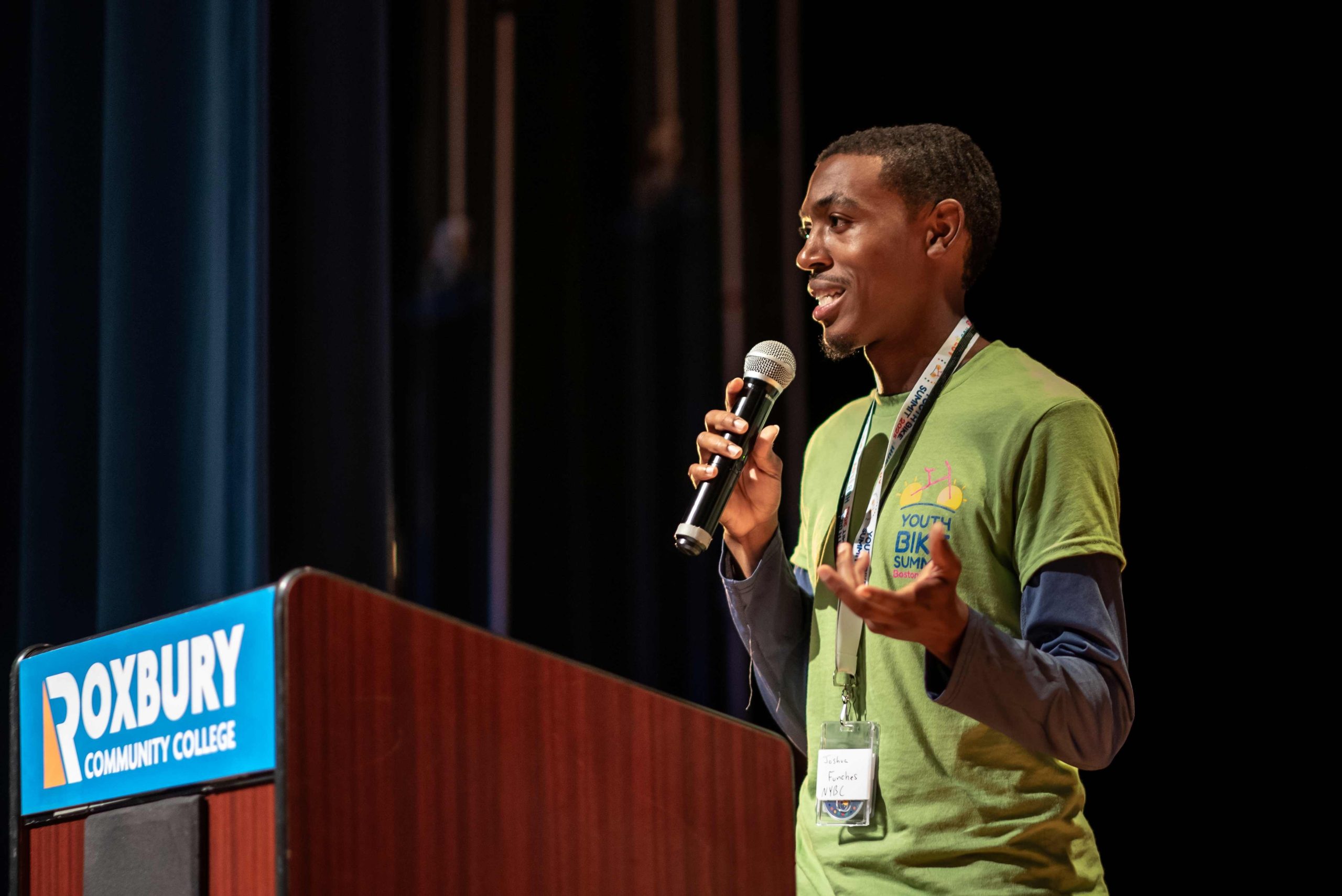
Joshua speaking at the Youth Bike Summit

During Joshua’s time serving the organization, the National Youth Bike Council discovered national level partnerships with the recreation, healthcare, and education sectors. As President he also led the organizations through acquiring and running the Youth Bike Summit from 2022 – 2025. We are very thankful for Joshua’s leadership in creating opportunities for young leaders to learn, connect and grow through the initiatives of the National Youth Bike Council.

Joshua is a continued board member of the organization and will be supporting as Board Chair and a Youth Bike Summit Steering Committee member.

2025 Awards At The Youth Bike Summit

Author: Youth Bike Summit

Invest In Women’s Entrepreneur scholarship

This year, the National Youth Bike Council worked with select Earn-A-Bike organizations to nominate a young woman for the Invest in Women’s Entrepreneur scholarship. This award is given to a young woman that “goes above and beyond, demonstrating proactiveness and leadership qualities in their bicycle program or community.” This award is funded by Invest In Women’s Entrepreneurs and gives the recipient a scholarship to attend the Youth Bike Summit.

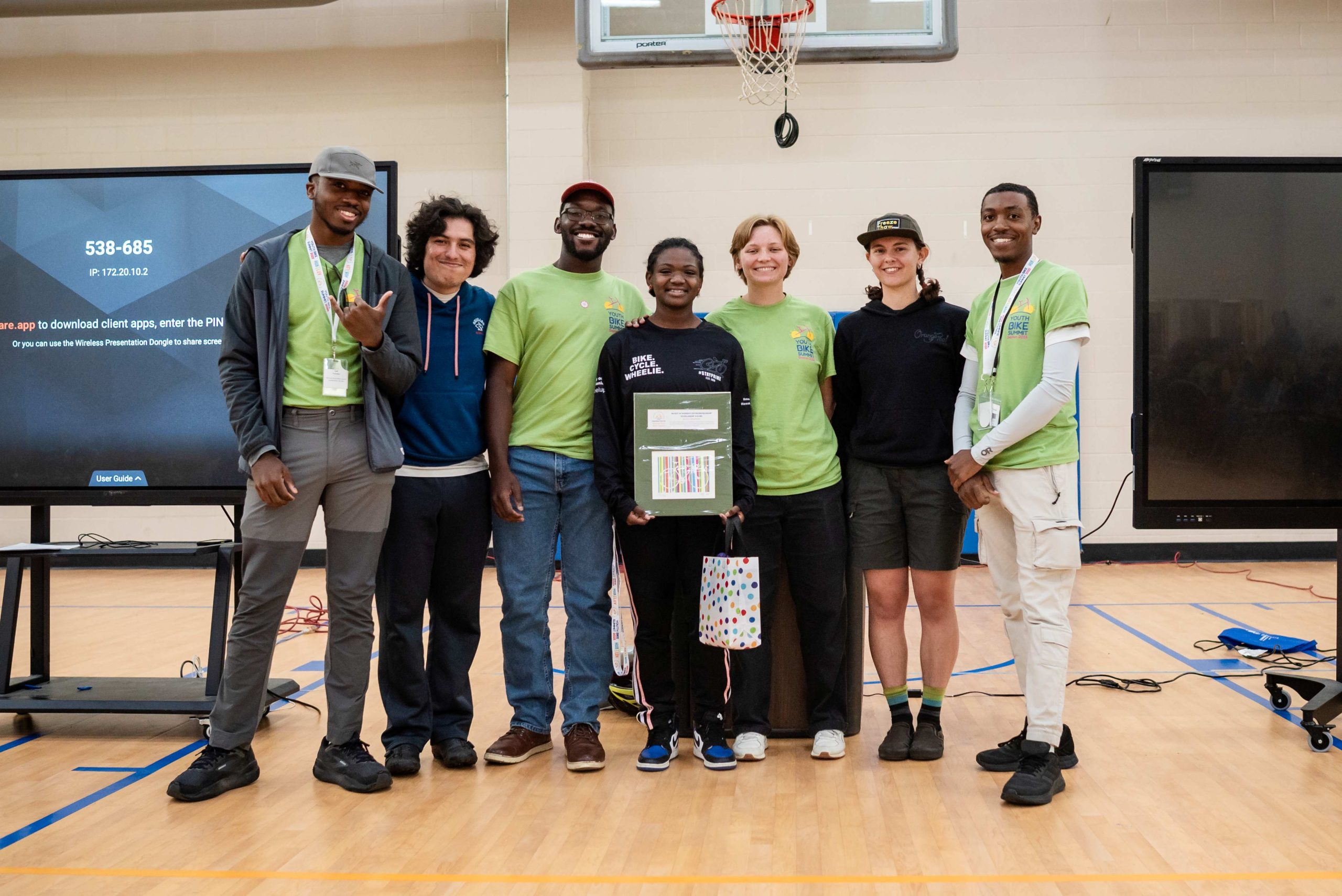
The 2025 Invest in Women’s Entrepreneur scholarship was awarded to Kayla Edwards, a high school student living near D.C., on June 1st.

Kayla spends her time representing the powerful impact cycling has had on Black youth in Washington, DC through her work at Pedalheads, a youth bike camp. She is also a member of Prime Ability, an organization dedicated to uplifting Black youth through cycling and promoting healthy lifestyles as positive outlets for teens from challenging backgrounds. After learning about her nomination, she happily mentioned a moment that has stuck out to her in her work: “I was helping a young kid who believed biking wasn’t for him. He’d never seen anyone who looked like him doing it as a young black kid. He was nervous and didn’t even want to try but I talked with him, taught him step by step [how] to build his confidence. When he finally rode on his own, the pride on his face said everything. That moment reminded me why representation matters and why I do this work. At the end of the day I encouraged him to tell his friends and stuff. With the lead of Coach Clark, we were also able to go to Hart Middle School to build bikes to kick off their Riding for Focus Program.”

Kimberly and Kristi award

The National Youth Bike Council introduced and nominated a young person for the first ever Kimberly and Kristi award that would be presented at the Youth Bike Summit in 2025. The award is in honor of Kimberly White and Kirsti Manco, two young ladies who were pivotal to the start of the Youth Bike Summit movement. The Kimberly and Kristi award celebrates dedication, passion, and taking initiative for a young person, a team, or an organization whose work creates or has the potential for positive change that impacts a community of people the award-winner belongs to.

The 2025 Kimberly and Kristi award was presented to Allan Feldman, a college student at Brandeis University, located near Boston Massachusetts.

Allan’s nomination recognizes his contributions to Brandeis University through a small team of students that planned to revive a sustainable lifestyle on campus through a bicycle share initiative. Allan has also been outspoken and actively engaged with his local bicycle coalition both on and off campus, working to increase road safety of all road users. When receiving the award Allan mentioned his biggest personal project to us. “My biggest personal project has been working to get a bicycle share program on campus, similar to other universities in the Massachusetts area like Tufts and Wellesley.”

Q&A With Allan Of Brandeis University

Author: Council Members Zoe

Meet Allan
We asked Allan what motivated him to start a Bicycle Library like the late DeisBikes project. He attributed it to riding a bicycle as a youth and experiencing how limited the bicycle infrastructure was on campus. All he wanted at first was just a few more bicycle racks to attend class. Then he started to dream bigger once he learned more about how DeisBikes used to operate. Now, he wants to leave Brandeis, but not before having established a bike library program, having that come to fruition would be a dream. He acknowledged this in addition to all of his other duties as a student, where reviving a program similar to the old DeisBikes would be a significant achievement for himself and Brandeis.

(Allan, a Brandeis student)

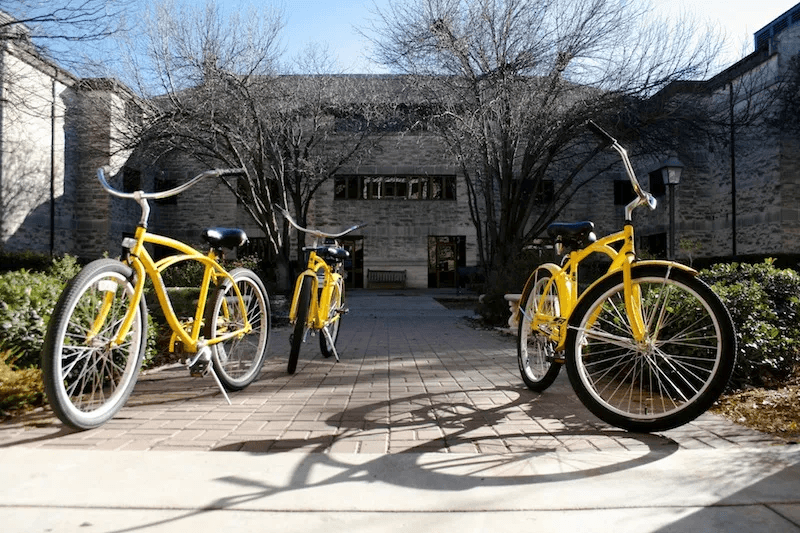
Determined to address these concerns, Allan plans to submit continue his work in the Spring of 2025. He also envisions an educational component to the program if time allows, offering common-knowledge bicycle safety tips for students with varying levels of experience. It’s also not unheard of for bicycle libraries or collegiate bicycle communities to share the same color scheme as the university, like Southwestern University out of Georgetown Texas does with their Pirate Bikes.

(Pirate Bikes – Photo credit of Peter Suciu with Bike Radar)

Drawing further inspiration from other bike-share programs with Tufts Bikes in Tufts University located near Boston, he hopes to see convenient bike racks at every building, a convenient technical way to checkout bicycles, and off-campus maps highlighting the best bike routes.

Q&A With Allan

1. What bicycle do you ride and what’s the name of it?
A: I ride two bikes. The bike I ride in Boston is the 2018 Giant Contend 3, which I used to commute to school daily last year.

2. What other forms of transportation do you use as a student when not riding a bicycle?
A: I like to use the Brandeis Shuttle, particularly to get into Boston and Cambridge on the weekends or into Waltham. I also use the commuter rail often and the MBTA bus to get outside of Waltham– Bus 70 is a life saver. Otherwise, I tend to walk around campus, and sometimes will use a ride-hailing service like Uber or Lyft.

3. How often do you ride as a student?
A: During the school year I like to ride around once a week on the weekend for anywhere from 30 to 120 mile rides, either solo or with a friend. This doesn’t include occasional races with Brandeis Club Cycling. I also participate in cross-training with running.

4. How can students or faculty that potentially see this help?
A: The goal is trying to get other campus bike shares in Boston together for community events, education bike workshops, and just larger thinking. However, any support is welcome. The best way to reach me is by sending me an email at alfeldman@brandeis.edu.

What Did We Learn From Council Chatcasts this year

Author: Council Member Nora

We have come to the end of 2023! This year was certainly an adventure for me as I am sure it was for everyone. One of the new opportunities for me in 2023 that I am thankful for is that I got to start writing the National Youth Bike Council’s blogs! And as we reflect on this year I wanted to do some reflecting on what the National Youth Bike Council has done.

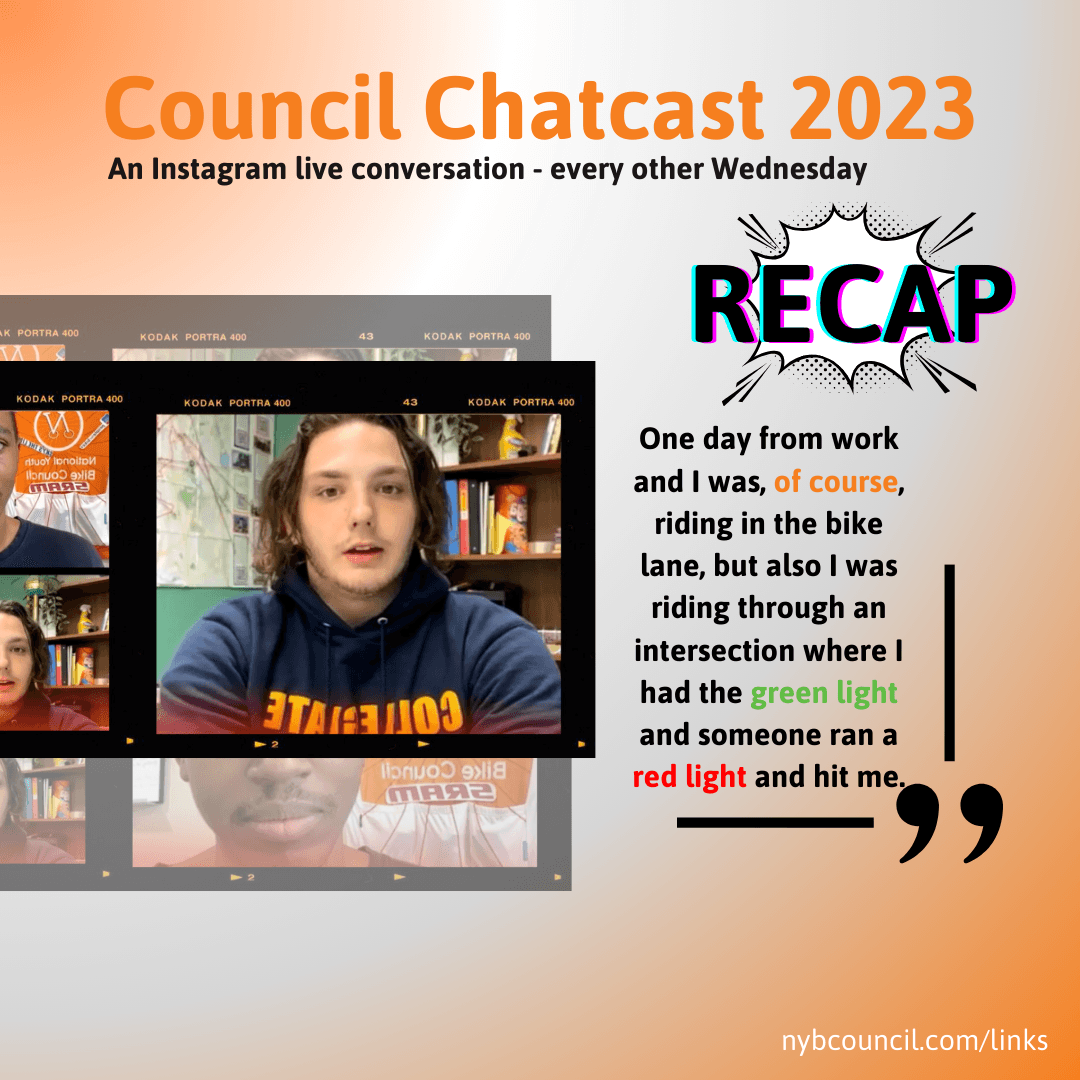
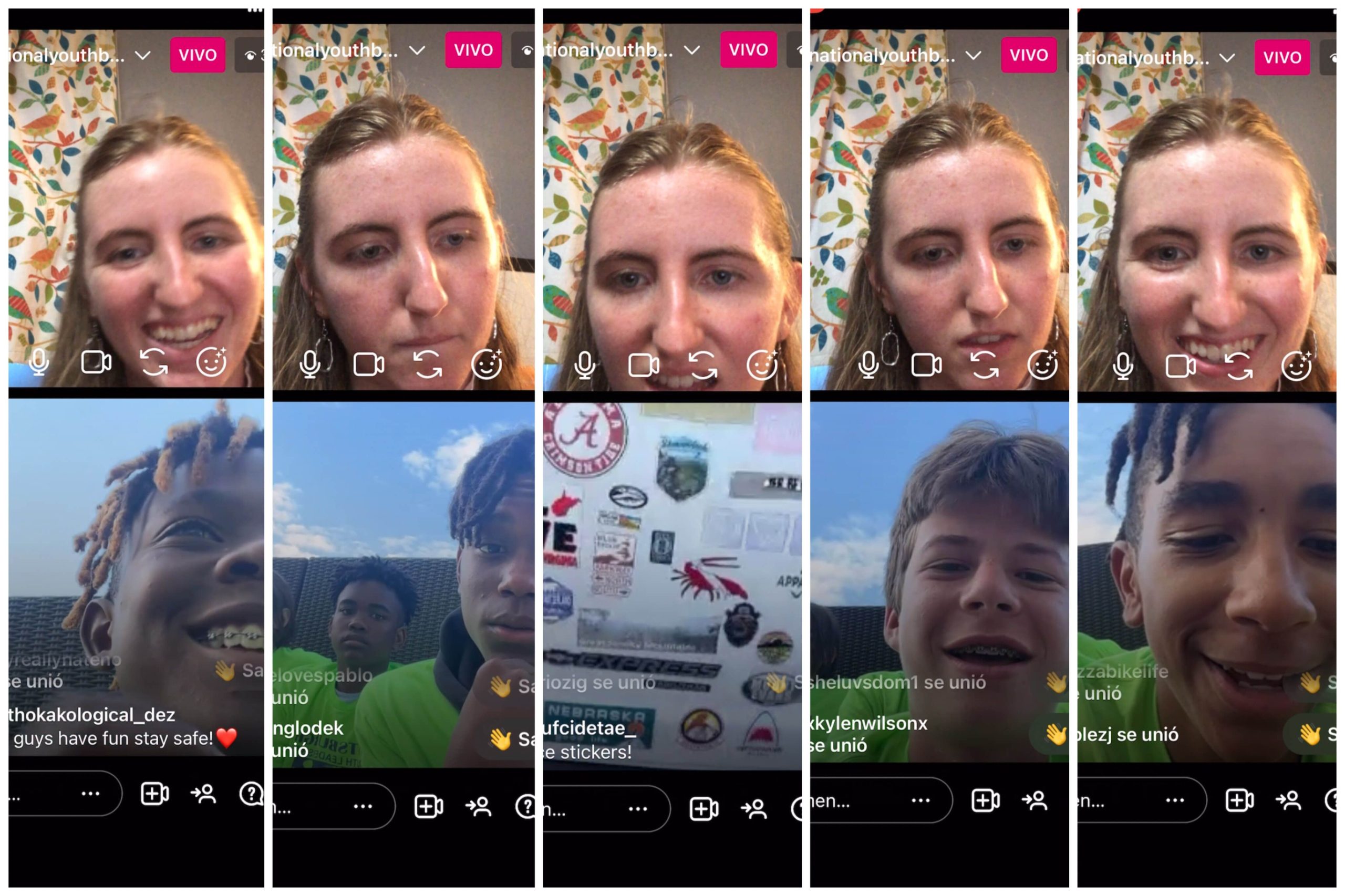
In this blog I will be reflecting on the 11 Council Chatcasts that we have done. These were Instagram live conversations between members of the Council and youth involved in different forms of transportation from across the US (Pennsylvania, California, Nevada, Florida, Massachusetts, Maryland, & New York ) and many cities in between. These conversations were able to highlight the experiences of youth across the United States in a range of types of biking, from mountain biking to road biking and the lessons they have learned. One of our lovely Advisor volunteers helped us transcribe the 11 Chatcasts and summarize common themes as well as individual messages from each interview.

I want to first look at the common opinions that were found. One of the themes I thought was particularly interesting is that some of the chatcast participants rely on biking and public transportation because they don’t have a driver’s license. I definitely identify with this. Before I could get my driver’s license I biked to school, because I often had to stay after school for clubs or sports which meant I missed the bus back home. The bike became essential to my independence! Now that I am at college, a lack of a car has led me again to rely on biking, walking, and public transportation.

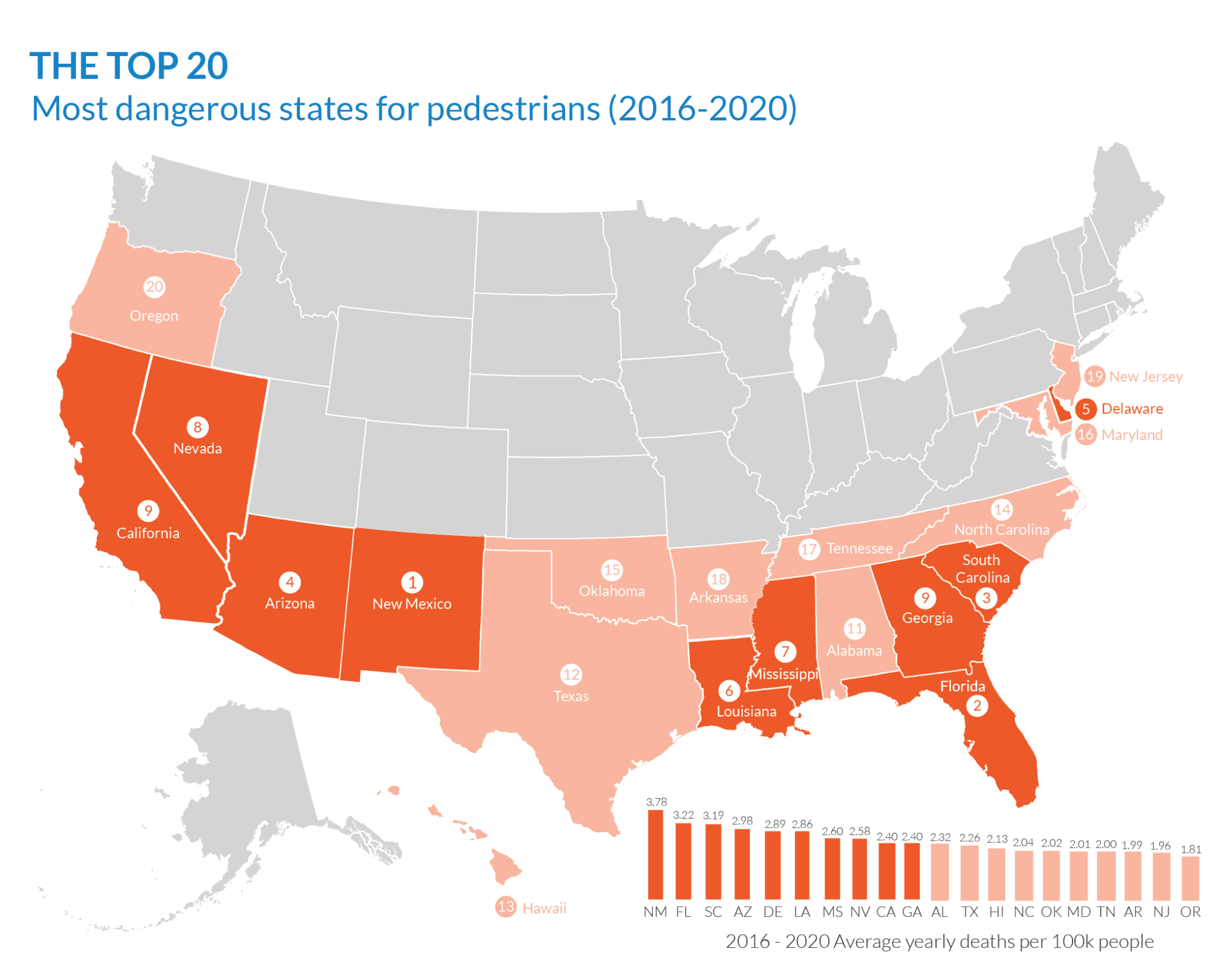
When you rely on public transportation and biking the shortcomings of the infrastructure become even more apparent. As the Chatcast points out, across the US there is a need for more bike lanes especially near schools and a safer infrastructure for cyclists in urban environments. The Chatcasts point out that the lack of biking infrastructure comes because, as one participant put it, “we live in a country that is dominated by car culture.” I think it’s interesting to see how the experience changes across different parts of the US. One participant, Josh M, talked about their experience growing up in Texas. “Where biking is completely untenable” and “then I moved to New York at the age of 18 and I am now, suddenly flourishing in a world of public transit, buses, and an NYC bike share system.” There are more pedestrian deaths in the South than in the North. Generally in the South of the US cities were built around the automobile where in the North cities are older than the car and were built around pedestrians.

Council Chatcast youth also point out the importance of knowing safe and efficient bike routes when it comes to the logistics of commuting and that we need to make information about routes and education on urban cycling more accessible. Your whole biking experience can change based on which route you take. Josh M said, “You feel silly when you’re on a bicycle trying to cross, you know a six-lane highway underneath, it just feels like you’re about to die all the time.” Without proper infrastructure people are disincentivized to bike because it can feel dangerous and unwelcoming. The exciting part about the Council Chatcast is not only does it elevate the concerns of our peers but also the suggestive solutions as well. Interview 1 “I was gonna say bike packing is accessible, but it kind of isn’t because you need a lot of supplies to make it happen: camping gear, you need bags for your bikes, you need supplies, you need a sleeping bag, dicky sack, sleeping mat, and knowledge about biking or about where to camp or the weather. So that’s the main point of Youth Bike America is that we can make it accessible to people.” Said Dasha, a young commuter who uses bicycling and walking as her main form of commuting and is also leading Youth Bike America.

In addition to how infrastructure and access across the US is lacking and how we can solve it, there is so much that our Council Chatcasts voiced this year that I can’t fit into one blog. Our Council Chatcast participants highlighted including making biking communities more inclusive, biking more accessible, e-bikes, how we design cities, a possible biking utopia, how to engage youth, and more. Interview 6, “I don’t think I’ve heard anyone say flying bikes, but now that you said it, I can totally see that happening. They have to make it happen one day.” I plan to tell you more about their ideas, how our advocacy will play a part, and reveal more youth-thinking in 2024. See you then!

Brian, California is number 9 on the Top 20 pedestrian deaths for 2020 (actually tied with Georgia) do you feel that your experience supports that ranking? What are some trips you did in 2023?

Walker Safety Means More Than You Think

Author: Council Member Nora

Hiya! This is Nora, back with your October blog writing to you from Northern Ireland. While studying abroad I have gotten to learn so much about the world and other cultures. One night this month I was talking with my roommates and one of them asked me “what is a pedestrian advocate?” I realized that even though I identify what I do as pedestrian advocacy, I’ve never defined it outright. So that’s what I am dedicating this month’s blog to: what I mean by pedestrian advocacy!

I started using the term pedestrian advocate not for any real reason except that it made a nice acronym. I was a part of a club in high school that was formerly known as the Grady Pedestrian Safety Coalition, but when our school changed its name from Henry W. Grady high school we needed to change our club’s name. We came up with the Atlanta Students Advocating for Pedestrians or ASAP for short. From there we started identifying ourselves as pedestrian advocates.

Since our club was composed of students who walked, biked, skated, took public transportation, and drove and because we wanted to advocate on behalf of everyone. We are all pedestrians. So pedestrian advocacy relates to working to make the transportation environment outside of a car safer, pleasant, and more attractive to commuters. First and foremost we are trying to prevent deaths through initiatives such as the ghost bike project that we talked about in a previous blog or Vision Zero (working to achieve 0 traffic-related fatalities). We are also making sure that you are not having to walk next to four lanes of traffic or share the lane with cars who are going 50 mph. We also actively promote using alternatives to cars in your commutes.

Just like the people we advocate for, what we advocate and how we advocate also includes a lot more than those three missions. Transportation touches so many other fields such as environmental, equity, and health. Therefore when I say I am a pedestrian advocate I am advocating for the whole pedestrian. I advocate to ensure that schools in all income levels are safe for pedestrians. I advocate to promote better public transportation infrastructure to lower emissions and offer more affordable commuting options.

So what I mean when I say I am a pedestrian advocate is that I advocate for the safety of commuters. Safety of commuters in transportation includes a whole range of issues, which is why ASAP was advertised as an advocacy club for whatever you were passionate about.

How do you identify your advocacy? Do you define pedestrian advocacy another way? How do you explain your work in transportation to people who don’t work in this field? I’ll be waiting for your comments on Twitter, Instagram, or email (info@nybcouncil.com)!

49 States and 500+ Miles Later

Happy June, I hope you are doing well and keeping cool during a hot summer! With Pride Month and the latest federal holiday, Juneteenth, June offers a time to celebrate and reflect on diversity within our communities. As we have discussed in previous blogs, biking has been historically dominated by white male bikers but there are organizations pushing to make biking more inclusive to all communities. Many of them, like NYBC, are youth-fueled. I had the opportunity to talk with one of those organizations, Pittsburgh Youth Leadership (PYL). Specifically, I talked to 8 riders who were currently on a 500-mile trip from Queensbury, NY to the Basketball Hall of Fame in Massachusetts. Almost all of them were young, black, and from lower economic means and were not attempting long-distance bike trips before PYL. Yet, they had just finished their 6th day and had already done around 220 miles.

PYL is a nonprofit organization that gives inner-city, low-income, at-risk youth access to biking through all-expenses-paid bike rides across the country – we’re talking about hundreds of miles. They have also been to 49 states, with Hawaii being the exception and they have proof. John Harris (this was his 4th trip with PYL) showed me the “home base” van that has a bumper sticker from every place PYL riders have been. So how did they do it?

Author: Council Member Nora

Morrell Rogers (2nd trip) described the intense training they do to learn bike safety techniques, how to pass correctly, change gears, and get a taste of long-distance riding. Usually, they are around 40 miles. Caleb Freich (5th trip) says that PYL definitely helps him get and stay in shape with Caiy Whim (1st trip) adding that the training rides increase your strength, endurance, and stamina by forcing everyone to face and surpass their limits.

Anthony “AJ” Evans (1st trip) heard about PYL from a school friend and, when he became old enough, was recommended by his school to join, all riders must maintain a 2.0 GPA. He and all the other riders said that what the PYL teaches you is not just physical ability but mental strength. As AJ put it, “You always find a way to push through, you have to persevere,” because once you get started you can’t turn around. Cenire Scott agreed, through PYL he learned that biking is a lot harder than you think, you can easily burn out if you haven’t trained hard enough, but he now knows how to persevere through the burn.

Landon Pickett (1st trip) told me that they ride on both trails and next to roads, rain or shine. Unfortunately this trip there was some rain on rocky terrain, making it the hardest day so far. Everyone seemed to doubt whether they or their bikes would make it through, but as Morrell told me thanks to the perseverance they have built up they were able to pass through.

This is just one of many trips that PYL offers this year with most riders planning to go on as many trips as possible. PYL really stands out to me because of how it is able to transform the idea of biking and include more people in the biking community. One thing they left me with was that you only need to go on one ride to totally reframe your mindset not just in terms of biking but in what your limits are and how you can surpass them.

As I learned from Morrell, Caiy, Caleb, AJ, Moneaz, Landon, Cenire, and John biking introduces you to a community that not only strengthens your physical health but also your respect for yourself and the world around you. I want to shout out PYL this month for doing so much to bring the world of biking to more people and to the PYL riders for persevering through! Good luck with the rest of your rides!

This has not been the only time we have spoken with young people from PYL, Joshua, another Council member, had the chance to bring Desmond, another PYL rider, on a Council Chatcast. Once again, during that conversation, Desmond mentions how being included has changed his life as he has traveled with PYL and experienced things through a new lens on a bicycle and over tons of miles!

The longest trip I have ever done was 250 miles and I cannot imagine doing any more than that. What about you Brian? What is the longest bike ride you have done? How does riding backward change the experience? How do you think we can get more people on bikes?

If you want to find out more about PYL check out their website here, if you are with an organization like PYL, consider hopping into the YB Hub!