Author: Council Members Joshua
Unlike other physical activities such as running, walking, or playing soccer, bicycling offers unique versatility in addressing both physical and mental health challenges.
The youth mental health crisis in the U.S. has reached alarming levels. Data indicates a significant increase in mental health disorders among adolescents. According to the National Institute of Mental Health (2021), approximately 20.1% of U.S. youth aged 12 to 17 experienced at least one major depressive episode in the past year. Furthermore, the prevalence of anxiety disorders among adolescents was reported at 31.9% from the National Institute of Mental Health.
The Global Mind Project published a 2024 report acknowledging the levels of distress between 2019 and 2024 have doubled from 15% to 30% over the last five years, with younger generations experiencing the sharpest decline in mental well-being. The report attributes much of this decline to the lingering effects of the 2020 pandemic, with minimal signs of recovery among younger age groups.
The physical health of youth in America remains a significant concern as well, marked by challenges such as increasing obesity rates and inadequate physical activity levels. According to the U.S. Department of Health and Human Services (2018), only 24.5% of youth aged 6 to 17 meet the recommended guidelines for at least 60 minutes of moderate-to-vigorous physical activity per day.

The Global Mind Project, The Mental State of the World in 2024 Report: Shows an increase in distress and struggles for all age groups
A Bicycle Is More Than Getting Outside
Research consistently shows that outdoor activity improves overall well-being compared to a sedentary lifestyle. However, engagement matters—merely being outside without an activity is far less beneficial than actively participating in one. Among outdoor activities, bicycling offers three distinct advantages: recreational use, a career pathway, and a mode of transportation.
The simple act of bicycling has been proven to aid in 3 key areas of mental and physical health.
- Stress Relief: Research by Craft and Perna, as highlighted in _The Benefits of Exercise for the Clinically Depressed_, demonstrates that cycling helps alleviate stress by releasing endorphins, leading to improved mood and emotional well-being.
- Improved Sleep Quality: Sleep disturbances are common among young adults experiencing mental health challenges. Regular bicycling has been associated with improved sleep quality, helping to regulate sleep patterns and contribute to better overall mental health. Journals like “_High exercise levels are related to favorable sleep patterns and psychological functioning in adolescents: a comparison of athletes and controls._” highlight this.
- Enhanced Cognitive Function: Bicycling is not only a physical activity but also a cognitive one, requiring attention to the environment and decision-making. Research published in _Be Smart, Exercise Your Heart: Exercise Effects on Brain and Cognition_ (2008) links cycling to improved cognitive function, reduced brain fog, and enhanced concentration.
Bicycling also supports both independent and social engagement. For those who prefer solo activities, cycling fosters autonomy, self-motivation, and confidence. Autonomy is so important for youth, it leans into one of the strongest aspects of bicycling: connecting communities and people. Conversely, group cycling strengthens community connections, reducing social isolation and promoting cross-cultural interactions.
An Increase In Innovation Should Be An Increase In Ridership
In the last ten years, electric bicycles have increased in use among consumers, federal funding and rebates have incentivized bicycle ownership in select states, and local cycling initiatives have expanded. Despite all of that, bicycle ridership for youth ages 7-17 is at a generation low as reported by the National Sporting Goods Association in 2024. It’s estimated that about 41% of 44 million children and teens (7-17) participated in bicycling throughout the 2000’s compared to an increase of 50 million children but a sharp decrease to only 22% of them participating in bicycling in 2024. Despite an increase in the total youth population, fewer children and teens are cycling today than two decades ago.
This decline has serious consequences. Four out of five children are missing out on the cognitive, emotional, and physical benefits of cycling. Additionally, many youth lack basic knowledge of how to navigate their cities by bicycle, further limiting their independence and mobility.
The Elephant In The Room: Safety
This raises a few questions:
– Are we designing cities and policies that actively promote sedentary lifestyles?
– What lessons can we learn from past eras of high youth ridership to inform the future?
The bicycling industry, now valued at over $8.4 billion, has evolved to incorporate extensive safety measures, adapting to modern infrastructure and transportation needs. Likewise, the 21st century brings evolved curriculums in youth-bicycle programs, finding unique ways to educate and perform on modern-day safety requirements.
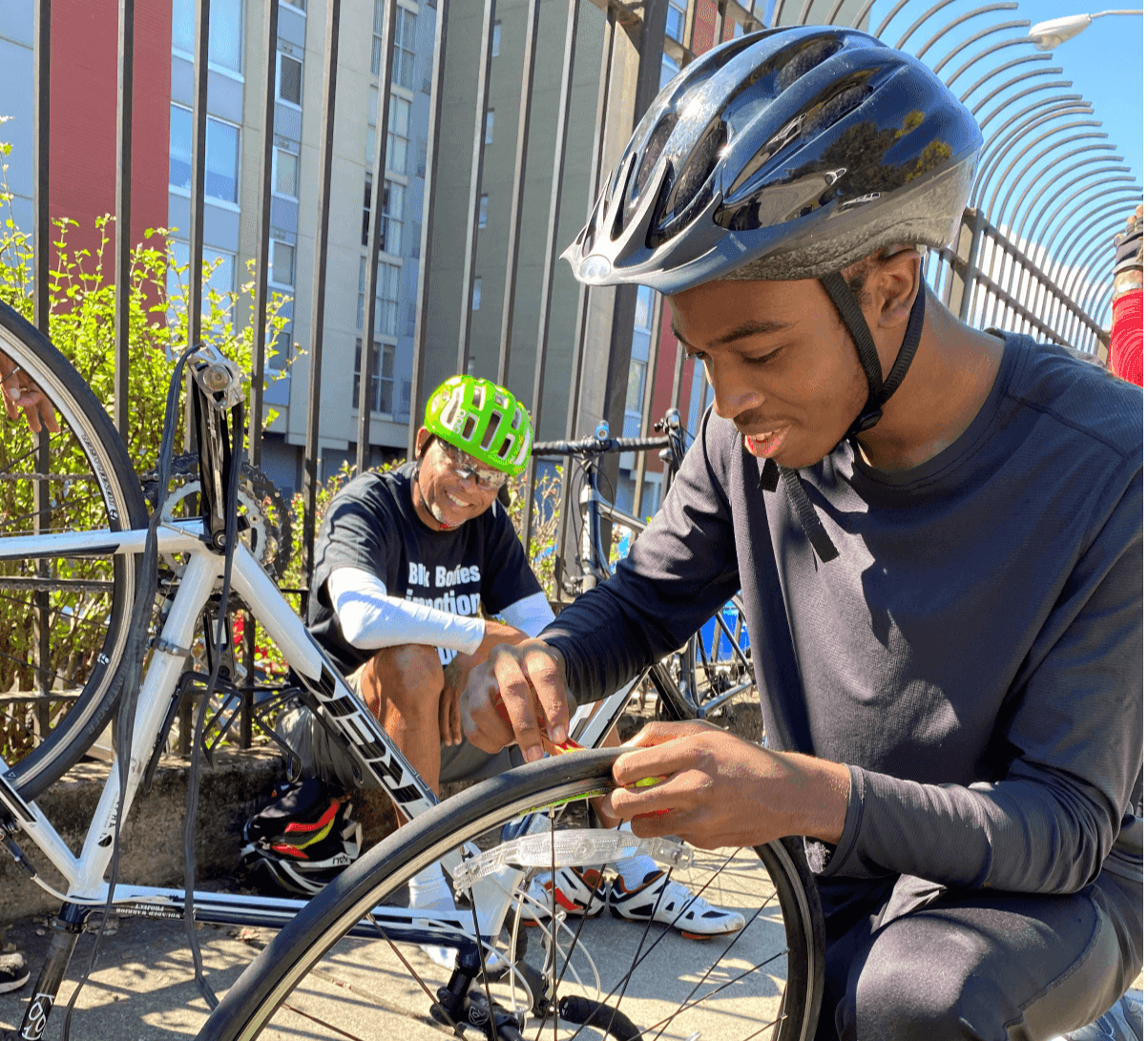
One common project model called Earn-A-Bike, for example, demonstrated modern teachers. Over an eight-week period, students restore donated bicycles, learning essential maintenance skills. Upon completion, they keep the bicycles they have repaired, for free. Throughout the program, participants also receive structured training on bicycle safety and navigation, ensuring they are well-equipped to ride confidently in their communities.
The Earn-A-Bike program is just one of many solutions that need to be expanded and shared with communities nationwide. Education on these options is essential—not only for youth but also for program coordinators, educators, and local officials, whom we refer to as our support network.
Through the Youth-Bike Hub (YB Hub), the National Youth Bike Council is working to elevate and promote youth bicycling programs across the country with our support network. In its first year alone, the YB Hub identified 14 different ways that youth-focused bicycle programs positively impact their communities beyond health benefits. We help facilitate knowledge-sharing year-round through monthly webinars, an annual conference, and an online resource hub. Expanding access to youth bicycling is not just beneficial—it is essential.
Support for the National Youth Bike Council is an actionable step to defend this generation from what the CDC (U.S. Centers For Disease Control and Prevention) has been classified as a Mental Health Crisis for another year in a row. Get involved by donating to make an impact or emailing us (info@nybcouncil.com). With your support we can ensure that bicycling remains a cornerstone of youth wellness, independence, and community engagement.