More Questions About The Future Youth Bicycling
Creating a bicycling culture requires a fair share of effort. As an industry that generates over $8.4 billion annually, it’s clear the culture is worth the effort. However, when examining growth trends across different demographics—adults and youth—it becomes evident that the enthusiasm has not translated into increased participation among young adults and teens.
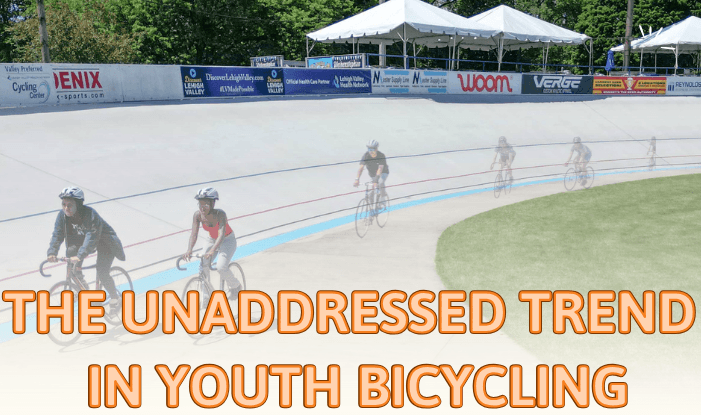
According to the National Sporting Goods Association (2024) and highlighted by Scott Fitzgerald of Pedal Kids USA at the National Bicycle Dealer Association’s 2024 Annual Summit, youth bicycle ridership has dropped to a generational low. In the early 2000s, 41% of 44 million children and teens (ages 7-17) participated in bicycling. Despite an increase in the youth population to 50 million, only 22% engaged in bicycling in 2024. This means that four out of every five children are without the essential cognitive, physical, and emotional benefits of bicycling. It also means that 4 out of 5 children are uneducated or misinformed on how to ride a bicycle in their city.

Photo provided by Scott Fitzgerald during the National Bicycle Dealer Associations Summit.
Is This Decline Going To Stop?
Is bicycling becoming outdated among younger generations? That’s the ultimate question. As youth ridership widely declines, critical questions arise:
Is becoming outdated an existential threat to the bicycling industry?
Have we seen meaningful growth in cycling participation, or does it feel stagnant?
When was the last time bicycling has modernized itself to align with modern day youth interests?
How do we encourage long-term youth engagement with bicycling?
Over the past decade, despite declining youth participation, there has been an increase in bicycle-related programs, initiatives, and federal funding. If investment in cycling programs is growing, why does youth ridership continue to fall? Are current programs effectively addressing the needs of young riders? Are they sufficient to reverse this decline?
Bicycle shops, like Scott’s, a part of the National Bicycle Dealers Association have been raising these concerns. Youth-bicycle programs across the U.S. are most commonly ask how to “tap into best practices from other organizers and increase resource sharing from other groups” or mention how their “biggest challenge is finding ways to speak to and involve youth in [their] events, advocacy, and education. We could use some help from the experts!”
The core issue is clear: how do we establish a sustainable framework that ensures long-term youth engagement with bicycling?
Photo provided by Scott Fitzgerald during the Youth-Bike Hub webinar: Modernizing How We Think About Youth Cycling
What Makes Youth Bicycling, Youth Bicycling?
Now more than ever, to address this crisis it requires a structured, sustainable approach to youth bicycling. Youth Bicycling is defined as participation with the bicycle of children, teens, and young adults up to age 24. Meaningful engagement begins early and should extend through key developmental stages—elementary school, middle school, high school, and college.
Creating a continuous pipeline of programmatic or spontaneous engagement fosters a cycle of participation, leadership, and mentorship at each stage. Other industries have demonstrated how structured youth involvement leads to long-term retention & volunteerism, career pathways, and leadership development. The cycling industry must adopt a similar approach to cultivate a lasting impact.
For this to be successful, a national alliance or governing body should guide and reward achievements toward long-term engagement. Without a centralized effort, programs will remain fragmented, limiting their potential for sustained impact.
What Makes Youth Bicycling, Youth Bicycling?
Now more than ever, to address this crisis it requires a structured, sustainable approach to youth bicycling. Youth Bicycling is defined as participation with the bicycle of children, teens, and young adults up to age 24. Meaningful engagement begins early and should extend through key developmental stages—elementary school, middle school, high school, and college.
Creating a continuous pipeline of programmatic or spontaneous engagement fosters a cycle of participation, leadership, and mentorship at each stage. Other industries have demonstrated how structured youth involvement leads to long-term retention & volunteerism, career pathways, and leadership development. The cycling industry must adopt a similar approach to cultivate a lasting impact.
For this to be successful, a national alliance or governing body should guide and reward achievements toward long-term engagement. Without a centralized effort, programs will remain fragmented, limiting their potential for sustained impact.
The Biggest Risks of Continued Decline?
If this trend is not addressed, both the cycling industry and public health will face significant consequences. The immediate and long-term effects include:
Within the Industry:
Fragmented messaging about bicycling’s role and who it serves
Inefficient allocation of corporate funds, leading to duplication rather than growing the cycling industry
Difficulty in accurately tracking youth ridership trends
Missed opportunities for collaborative, innovational programs as youth interests evolve
A constant need for corporate giving due to high youth turnover rather than youth-to-adult conversion
Beyond the Industry:
Limited accessibility for underserved communities, who are often reached last
A disjointed experience for young riders who must navigate different bicycling disciplines without clear guidance
Inability to establish a national alliance without industry-wide support
Lack of proactiveness leads to lack of say in how this long-term youth engagement is resolved and low ridership numbers are resolved
Missed opportunities to align with broader, current events: i.e. public health and sustainability initiatives
Bicycling risks becoming socially-outdated
A Future Without Young People Biking Does Not Have To Be Inevitable
A coordinated, long-term approach to youth cycling engagement is crucial to reversing this decline. It’s the task of the focused alliance to answer meaningful questions and create accurate metrics to track success. Key questions for industry leaders & alliances to answer include:
What concrete steps can be taken to ensure every child has the opportunity to experience cycling?
How can we redefine industry support for youth bicycling?
One critical and often overlooked strategy is youth leadership development. Programs that actively integrate youth into leadership roles—such as peer mentors, facilitators, and decision-makers—create an organic pathway for sustained engagement. Organizations that prioritize this approach have demonstrated higher retention rates and knowledge about organizational sustainability.
The Role Of The Youth Bike Summit
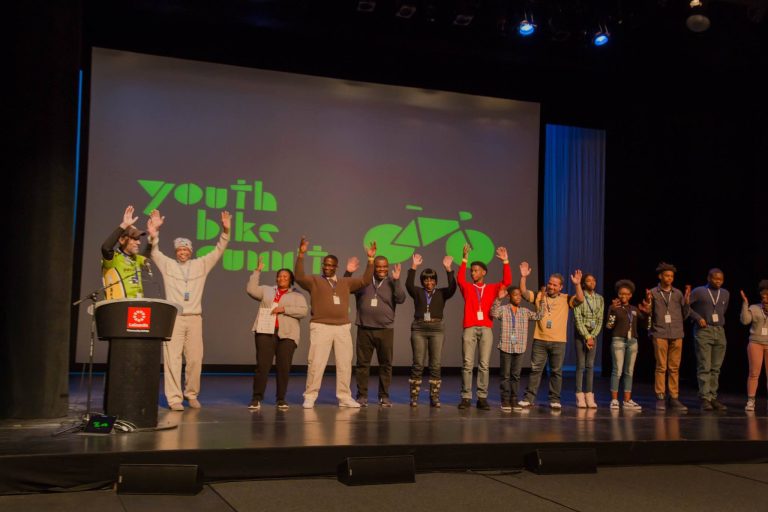
The National Youth Bike Council leads the Youth Bike Summit, a three-day annual event that brings together educators, program leaders, and youth advocates from across the U.S. to discuss concepts like this with their peers. By placing youth at the forefront—as speakers, decision-makers, and facilitators—the summit highlights the power of youth-driven initiatives.
Knowledge sharing and modernizing youth bicycling concepts is essential. Supporting initiatives like the Youth Bike Summit and ensuring that educators, community leaders, and organizations can attend is critical to creating a sustainable youth bicycle movement.
Creating a bicycling culture requires a fair share of effort. As an industry that generates over $8.4 billion annually, it’s clear the culture is worth the effort. However, when examining growth trends across different demographics—adults and youth—it becomes evident that the enthusiasm has not translated into increased participation among young adults and teens.
According to the National Sporting Goods Association (2024) and highlighted by Scott Fitzgerald of Pedal Kids USA at the National Bicycle Dealer Association’s 2024 Annual Summit, youth bicycle ridership has dropped to a generational low. In the early 2000s, 41% of 44 million children and teens (ages 7-17) participated in bicycling. Despite an increase in the youth population to 50 million, only 22% engaged in bicycling in 2024. This means that four out of every five children are without the essential cognitive, physical, and emotional benefits of bicycling. It also means that 4 out of 5 children are uneducated or misinformed on how to ride a bicycle in their city.
Photo provided by Scott Fitzgerald during the National Bicycle Dealer Associations Summit.
Is This Decline Going To Stop?
Is bicycling becoming outdated among younger generations? That’s the ultimate question. As youth ridership widely declines, critical questions arise:
Is becoming outdated an existential threat to the bicycling industry?
Have we seen meaningful growth in cycling participation, or does it feel stagnant?
When was the last time bicycling has modernized itself to align with modern day youth interests?
How do we encourage long-term youth engagement with bicycling?
Over the past decade, despite declining youth participation, there has been an increase in bicycle-related programs, initiatives, and federal funding. If investment in cycling programs is growing, why does youth ridership continue to fall? Are current programs effectively addressing the needs of young riders? Are they sufficient to reverse this decline?
Bicycle shops, like Scott’s, a part of the National Bicycle Dealers Association have been raising these concerns. Youth-bicycle programs across the U.S. are most commonly ask how to “tap into best practices from other organizers and increase resource sharing from other groups” or mention how their “biggest challenge is finding ways to speak to and involve youth in [their] events, advocacy, and education. We could use some help from the experts!”
The core issue is clear: how do we establish a sustainable framework that ensures long-term youth engagement with bicycling?
Photo provided by Scott Fitzgerald during the Youth-Bike Hub webinar: Modernizing How We Think About Youth Cycling
What Makes Youth Bicycling, Youth Bicycling?
Now more than ever, to address this crisis it requires a structured, sustainable approach to youth bicycling. Youth Bicycling is defined as participation with the bicycle of children, teens, and young adults up to age 24. Meaningful engagement begins early and should extend through key developmental stages—elementary school, middle school, high school, and college.
Creating a continuous pipeline of programmatic or spontaneous engagement fosters a cycle of participation, leadership, and mentorship at each stage. Other industries have demonstrated how structured youth involvement leads to long-term retention & volunteerism, career pathways, and leadership development. The cycling industry must adopt a similar approach to cultivate a lasting impact.
For this to be successful, a national alliance or governing body should guide and reward achievements toward long-term engagement. Without a centralized effort, programs will remain fragmented, limiting their potential for sustained impact.
What Makes Youth Bicycling, Youth Bicycling?
Now more than ever, to address this crisis it requires a structured, sustainable approach to youth bicycling. Youth Bicycling is defined as participation with the bicycle of children, teens, and young adults up to age 24. Meaningful engagement begins early and should extend through key developmental stages—elementary school, middle school, high school, and college.
Creating a continuous pipeline of programmatic or spontaneous engagement fosters a cycle of participation, leadership, and mentorship at each stage. Other industries have demonstrated how structured youth involvement leads to long-term retention & volunteerism, career pathways, and leadership development. The cycling industry must adopt a similar approach to cultivate a lasting impact.
For this to be successful, a national alliance or governing body should guide and reward achievements toward long-term engagement. Without a centralized effort, programs will remain fragmented, limiting their potential for sustained impact.
The Biggest Risks of Continued Decline?
If this trend is not addressed, both the cycling industry and public health will face significant consequences. The immediate and long-term effects include:
Within the Industry:
Fragmented messaging about bicycling’s role and who it serves
Inefficient allocation of corporate funds, leading to duplication rather than growing the cycling industry
Difficulty in accurately tracking youth ridership trends
Missed opportunities for collaborative, innovational programs as youth interests evolve
A constant need for corporate giving due to high youth turnover rather than youth-to-adult conversion
Beyond the Industry:
Limited accessibility for underserved communities, who are often reached last
A disjointed experience for young riders who must navigate different bicycling disciplines without clear guidance
Inability to establish a national alliance without industry-wide support
Lack of proactiveness leads to lack of say in how this long-term youth engagement is resolved and low ridership numbers are resolved
Missed opportunities to align with broader, current events: i.e. public health and sustainability initiatives
Bicycling risks becoming socially-outdated
A Future Without Young People Biking Does Not Have To Be Inevitable
A coordinated, long-term approach to youth cycling engagement is crucial to reversing this decline. It’s the task of the focused alliance to answer meaningful questions and create accurate metrics to track success. Key questions for industry leaders & alliances to answer include:
What concrete steps can be taken to ensure every child has the opportunity to experience cycling?
How can we redefine industry support for youth bicycling?
One critical and often overlooked strategy is youth leadership development. Programs that actively integrate youth into leadership roles—such as peer mentors, facilitators, and decision-makers—create an organic pathway for sustained engagement. Organizations that prioritize this approach have demonstrated higher retention rates and knowledge about organizational sustainability.
The Role Of The Youth Bike Summit
The National Youth Bike Council leads the Youth Bike Summit, a three-day annual event that brings together educators, program leaders, and youth advocates from across the U.S. to discuss concepts like this with their peers. By placing youth at the forefront—as speakers, decision-makers, and facilitators—the summit highlights the power of youth-driven initiatives.
Knowledge sharing and modernizing youth bicycling concepts is essential. Supporting initiatives like the Youth Bike Summit and ensuring that educators, community leaders, and organizations can attend is critical to creating a sustainable youth bicycle movement.
Share This Article