Author: Council Members Zoe
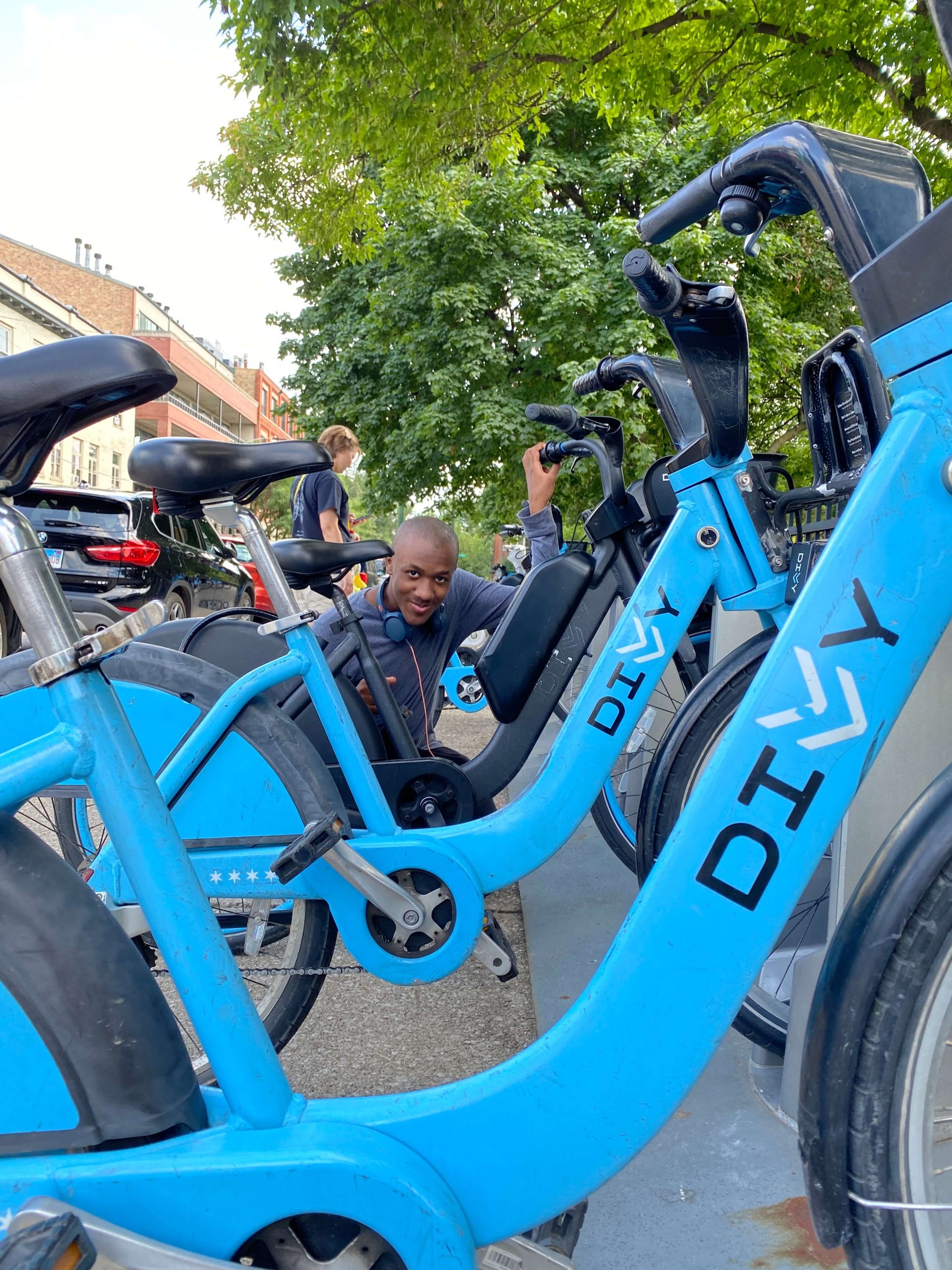
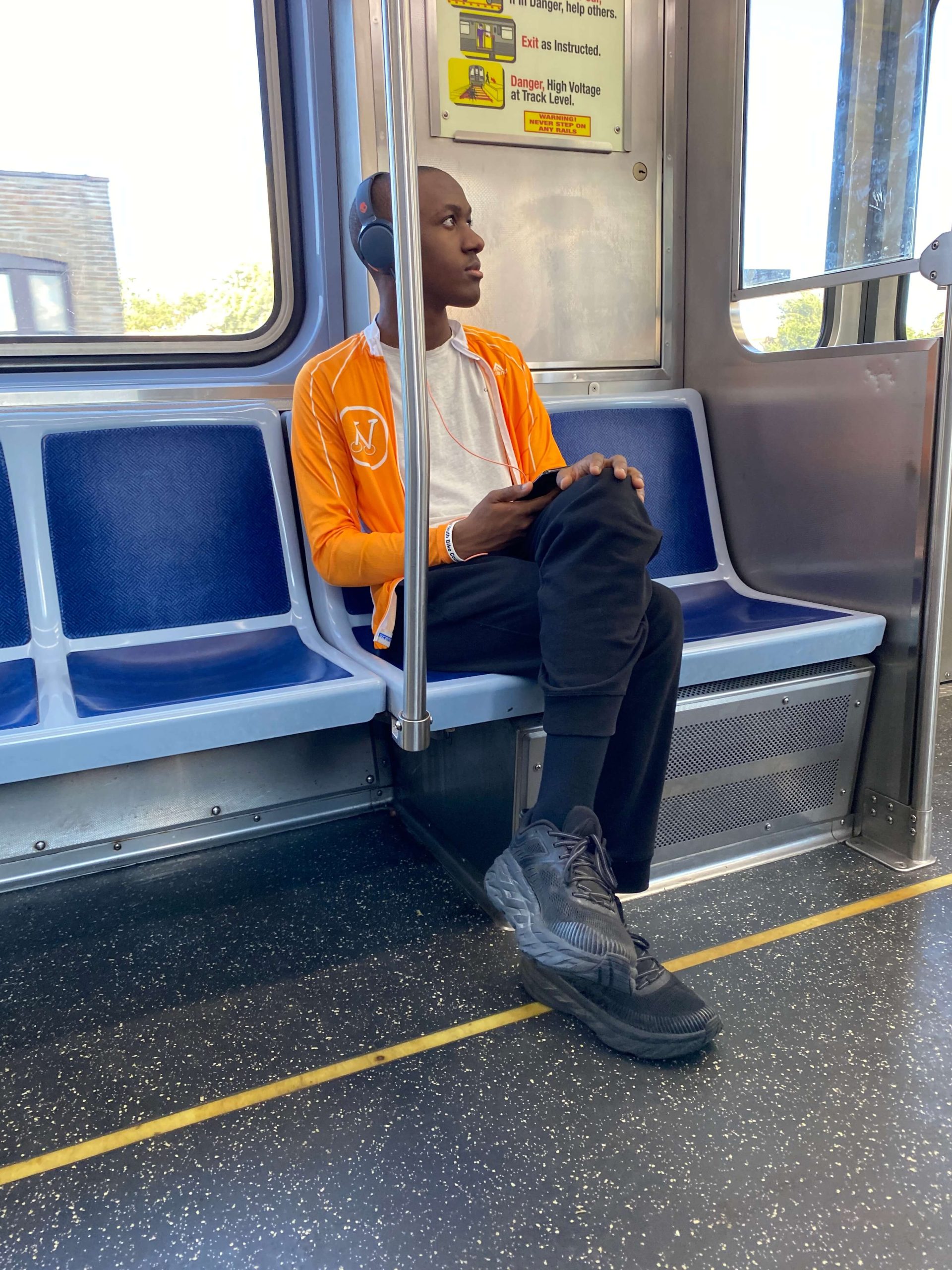
Meet Allan
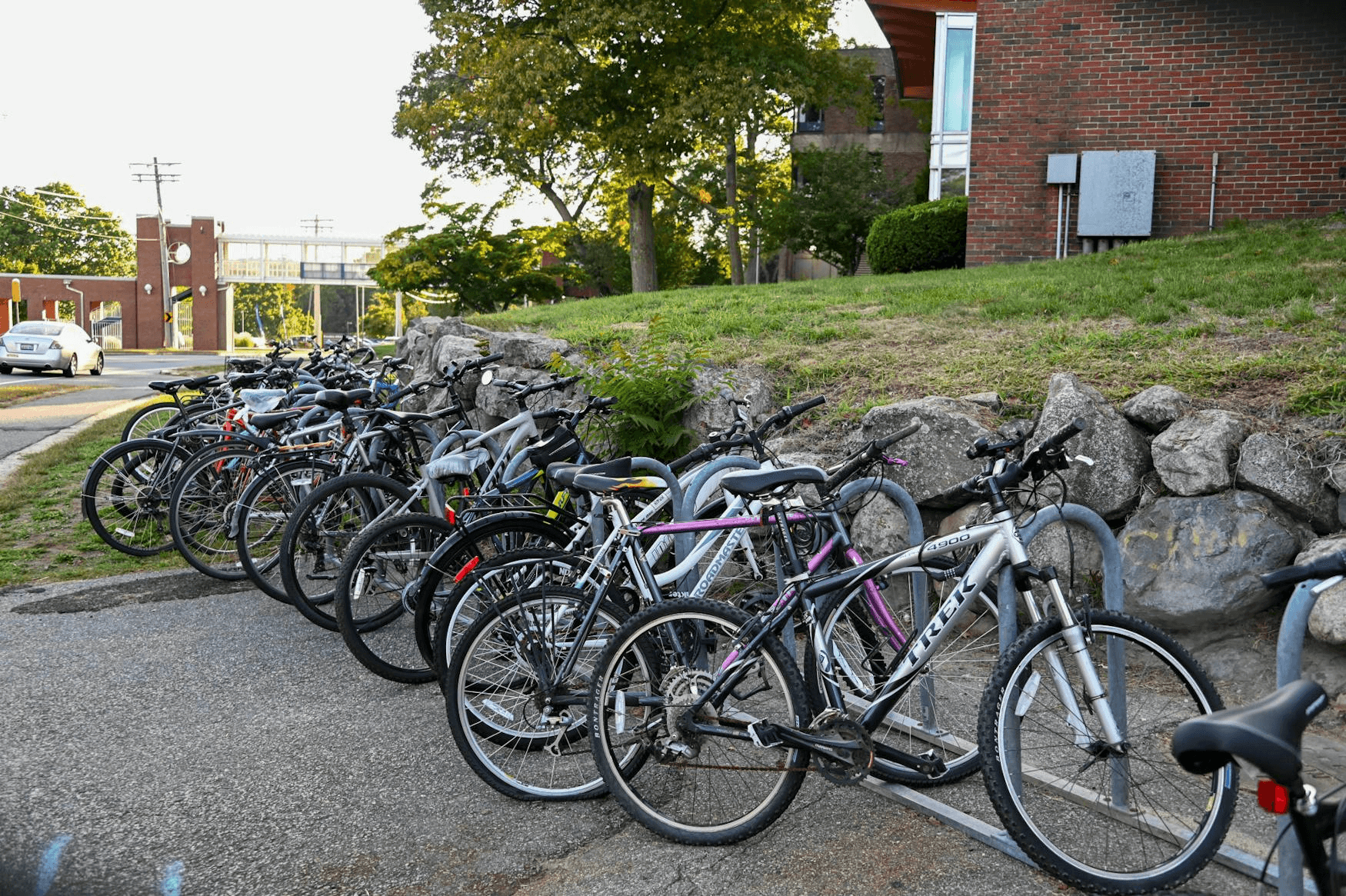
We asked Allan what motivated him to start a Bicycle Library like the late DeisBikes project. He attributed it to riding a bicycle as a youth and experiencing how limited the bicycle infrastructure was on campus. All he wanted at first was just a few more bicycle racks to attend class. Then he started to dream bigger once he learned more about how DeisBikes used to operate. Now, he wants to leave Brandeis, but not before having established a bike library program, having that come to fruition would be a dream. He acknowledged this in addition to all of his other duties as a student, where reviving a program similar to the old DeisBikes would be a significant achievement for himself and Brandeis.
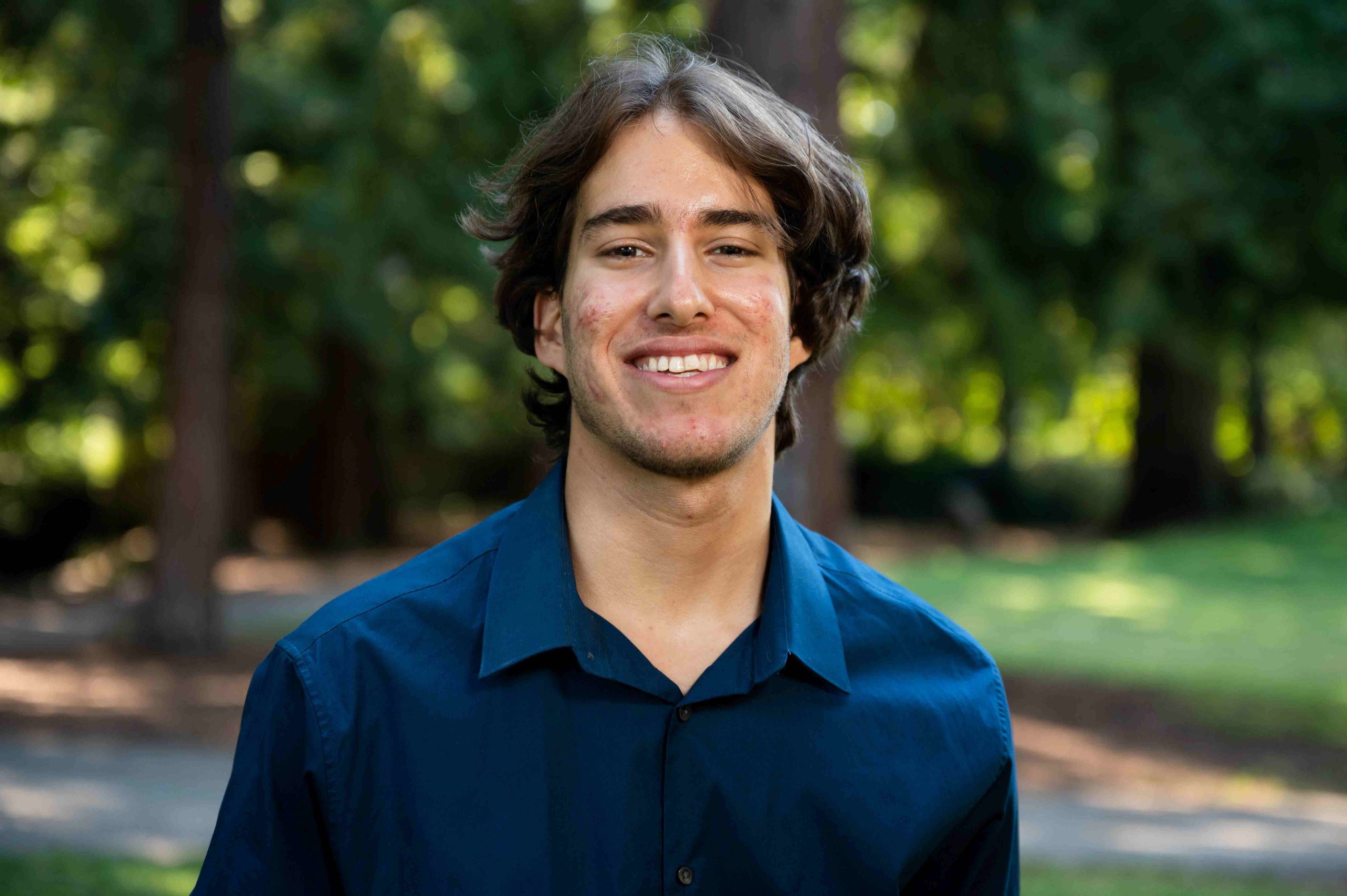
(Allan, a Brandeis student)
Determined to address these concerns, Allan plans to submit continue his work in the Spring of 2025. He also envisions an educational component to the program if time allows, offering common-knowledge bicycle safety tips for students with varying levels of experience. It’s also not unheard of for bicycle libraries or collegiate bicycle communities to share the same color scheme as the university, like Southwestern University out of Georgetown Texas does with their Pirate Bikes.
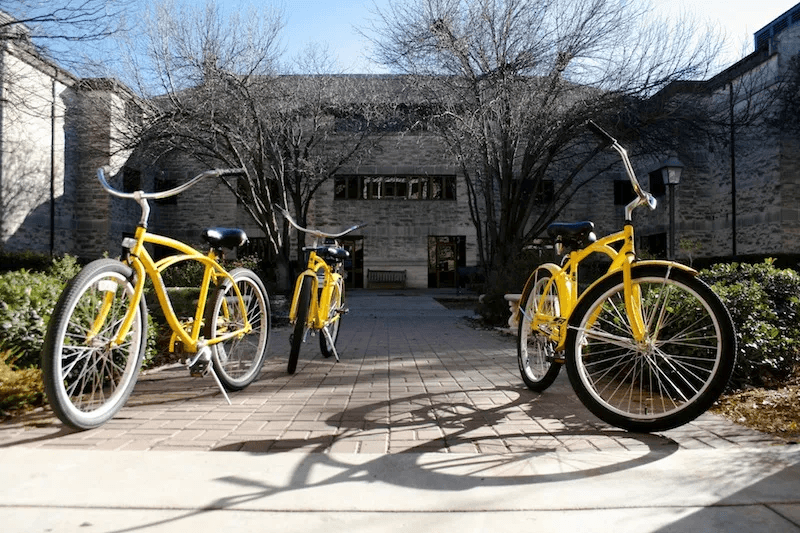
(Pirate Bikes – Photo credit of Peter Suciu with Bike Radar)
Drawing further inspiration from other bike-share programs with Tufts Bikes in Tufts University located near Boston, he hopes to see convenient bike racks at every building, a convenient technical way to checkout bicycles, and off-campus maps highlighting the best bike routes.
Q&A With Allan
1. What bicycle do you ride and what’s the name of it?
A: I ride two bikes. The bike I ride in Boston is the 2018 Giant Contend 3, which I used to commute to school daily last year.
2. What other forms of transportation do you use as a student when not riding a bicycle?
A: I like to use the Brandeis Shuttle, particularly to get into Boston and Cambridge on the weekends or into Waltham. I also use the commuter rail often and the MBTA bus to get outside of Waltham– Bus 70 is a life saver. Otherwise, I tend to walk around campus, and sometimes will use a ride-hailing service like Uber or Lyft.
3. How often do you ride as a student?
A: During the school year I like to ride around once a week on the weekend for anywhere from 30 to 120 mile rides, either solo or with a friend. This doesn’t include occasional races with Brandeis Club Cycling. I also participate in cross-training with running.
4. How can students or faculty that potentially see this help?
A: The goal is trying to get other campus bike shares in Boston together for community events, education bike workshops, and just larger thinking. However, any support is welcome. The best way to reach me is by sending me an email at alfeldman@brandeis.edu.