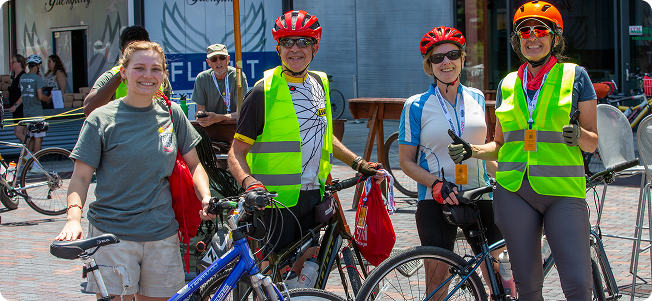
Youth People Help Connect Communities Through Transportation Advocacy

Celebrating Joshua’s Legacy, Embracing the Future

2025 marks the last year that Joshua is serving as the President of the National Youth Bike Council. Joshua served as
the National Youth Bike Council president since its inception in 2017. This transition happened a month after the 2025
Youth Bike Summit that took place in Boston between May 30-June 1st 2025. Attendees at the summit heard it first hand
from Council Member Pablo when the announcement was made on Sunday June 1st.

Welcoming Daniel C. as NYBC’s New President

Since June the transition has been underway. Today we have the exciting news that Daniel C. will be the new President of
the National Youth Bike Council. Leading the Council into its second generation of growth for youth leadership through
bicycling and fostering lifelong friendships between current and new Council members.
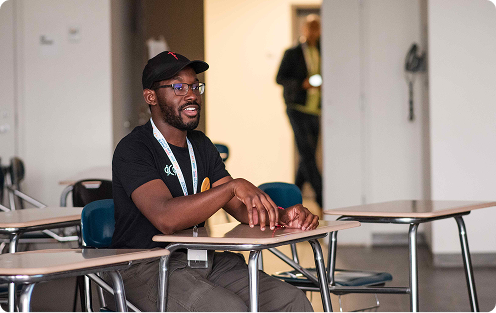
Joshua speaking at the Youth Bike Summit

Joshua speaking at the Youth Bike Summit

Joshua’s Tenure: Partnerships, Progress, and Purpose

During Joshua’s time serving the organization, the National Youth Bike Council discovered national level partnerships
with the recreation, healthcare, and education sectors. As President he also led the organizations through acquiring and
running the Youth Bike Summit from 2022 – 2025. We are very thankful for Joshua’s leadership in creating opportunities
for young leaders to learn, connect and grow through the initiatives of the National Youth Bike Council.
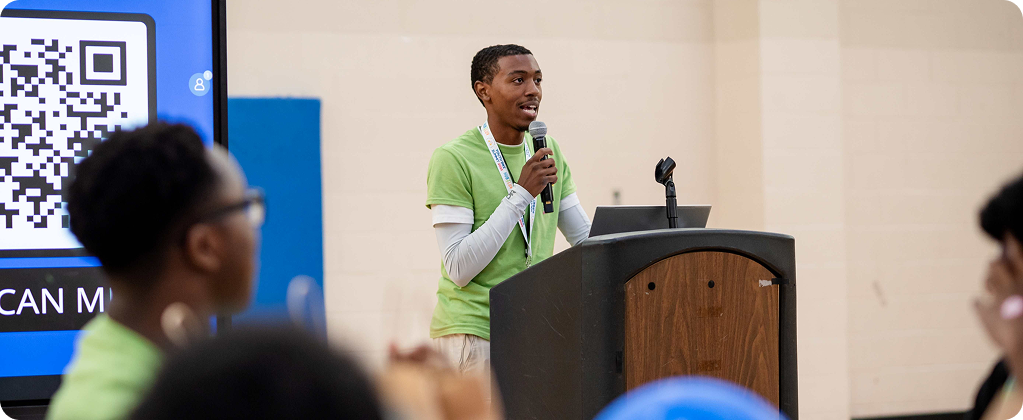
Joshua speaking at the Youth Bike Summit

Joshua is a continued board member of the organization and will be supporting as Board Chair and a Youth Bike Summit
Steering Committee member.
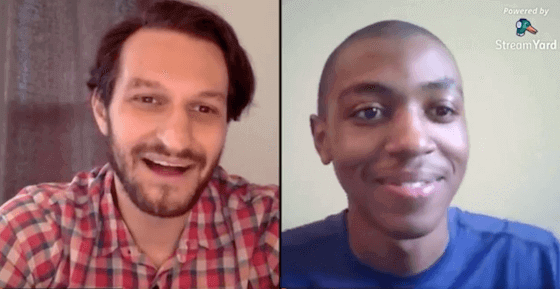
Youth Bike Council Improves Youth Health Two Wheels at a Time

Celebrating Joshua’s Legacy, Embracing the Future

2025 marks the last year that Joshua is serving as the President of the National Youth Bike Council. Joshua served as
the National Youth Bike Council president since its inception in 2017. This transition happened a month after the 2025
Youth Bike Summit that took place in Boston between May 30-June 1st 2025. Attendees at the summit heard it first hand
from Council Member Pablo when the announcement was made on Sunday June 1st.

Welcoming Daniel C. as NYBC’s New President

Since June the transition has been underway. Today we have the exciting news that Daniel C. will be the new President of
the National Youth Bike Council. Leading the Council into its second generation of growth for youth leadership through
bicycling and fostering lifelong friendships between current and new Council members.

Joshua speaking at the Youth Bike Summit

Joshua speaking at the Youth Bike Summit

Joshua’s Tenure: Partnerships, Progress, and Purpose

During Joshua’s time serving the organization, the National Youth Bike Council discovered national level partnerships
with the recreation, healthcare, and education sectors. As President he also led the organizations through acquiring and
running the Youth Bike Summit from 2022 – 2025. We are very thankful for Joshua’s leadership in creating opportunities
for young leaders to learn, connect and grow through the initiatives of the National Youth Bike Council.

Joshua speaking at the Youth Bike Summit

Joshua is a continued board member of the organization and will be supporting as Board Chair and a Youth Bike Summit
Steering Committee member.
Hundreds of teens gathered in the Lehigh Valley for the national Youth Bike Summit. They want to make cycling safer nationwide.

Celebrating Joshua’s Legacy, Embracing the Future

2025 marks the last year that Joshua is serving as the President of the National Youth Bike Council. Joshua served as
the National Youth Bike Council president since its inception in 2017. This transition happened a month after the 2025
Youth Bike Summit that took place in Boston between May 30-June 1st 2025. Attendees at the summit heard it first hand
from Council Member Pablo when the announcement was made on Sunday June 1st.

Welcoming Daniel C. as NYBC’s New President

Since June the transition has been underway. Today we have the exciting news that Daniel C. will be the new President of
the National Youth Bike Council. Leading the Council into its second generation of growth for youth leadership through
bicycling and fostering lifelong friendships between current and new Council members.

Joshua speaking at the Youth Bike Summit

Joshua speaking at the Youth Bike Summit

Joshua’s Tenure: Partnerships, Progress, and Purpose

During Joshua’s time serving the organization, the National Youth Bike Council discovered national level partnerships
with the recreation, healthcare, and education sectors. As President he also led the organizations through acquiring and
running the Youth Bike Summit from 2022 – 2025. We are very thankful for Joshua’s leadership in creating opportunities
for young leaders to learn, connect and grow through the initiatives of the National Youth Bike Council.

Joshua speaking at the Youth Bike Summit

Joshua is a continued board member of the organization and will be supporting as Board Chair and a Youth Bike Summit
Steering Committee member.
What Did We Learn From Council Chatcasts this year

We have come to the end of 2023! This year was certainly an adventure for me as I am sure it was for everyone. One of the new opportunities for me in 2023 that I am thankful for is that I got to start writing the National Youth Bike Council’s blogs! And as we reflect on this year I wanted to do some reflecting on what the National Youth Bike Council has done.

In this blog I will be reflecting on the 11 Council Chatcasts that we have done. These were Instagram live conversations between members of the Council and youth involved in different forms of transportation from across the US (Pennsylvania, California, Nevada, Florida, Massachusetts, Maryland, & New York ) and many cities in between. These conversations were able to highlight the experiences of youth across the United States in a range of types of biking, from mountain biking to road biking and the lessons they have learned. One of our lovely Advisor volunteers helped us transcribe the 11 Chatcasts and summarize common themes as well as individual messages from each interview.

I want to first look at the common opinions that were found. One of the themes I thought was particularly interesting is that some of the chatcast participants rely on biking and public transportation because they don’t have a driver’s license. I definitely identify with this. Before I could get my driver’s license I biked to school, because I often had to stay after school for clubs or sports which meant I missed the bus back home. The bike became essential to my independence! Now that I am at college, a lack of a car has led me again to rely on biking, walking, and public transportation.

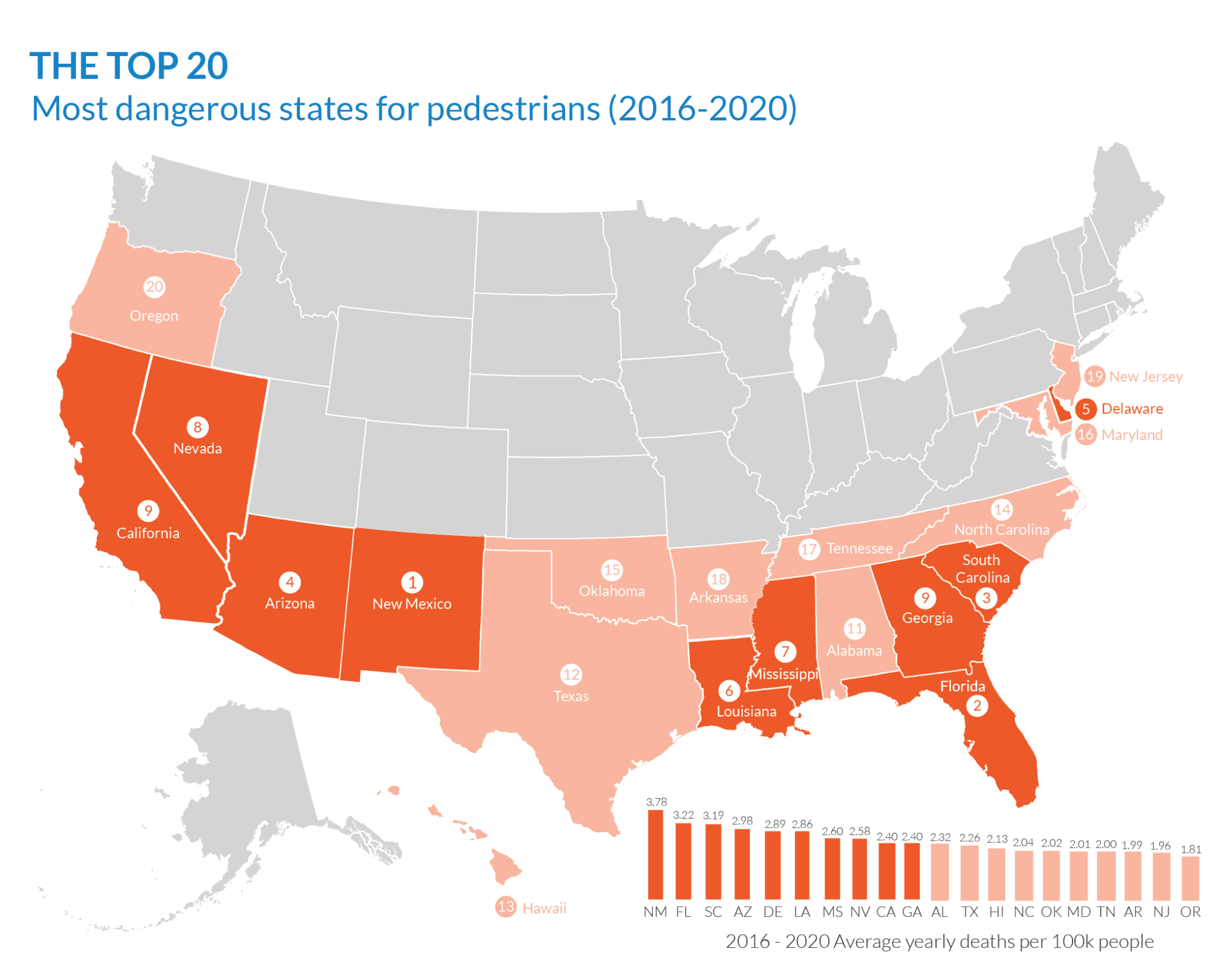
When you rely on public transportation and biking the shortcomings of the infrastructure become even more apparent. As the Chatcast points out, across the US there is a need for more bike lanes especially near schools and a safer infrastructure for cyclists in urban environments. The Chatcasts point out that the lack of biking infrastructure comes because, as one participant put it, “we live in a country that is dominated by car culture.” I think it’s interesting to see how the experience changes across different parts of the US. One participant, Josh M, talked about their experience growing up in Texas. “Where biking is completely untenable” and “then I moved to New York at the age of 18 and I am now, suddenly flourishing in a world of public transit, buses, and an NYC bike share system.” There are more pedestrian deaths in the South than in the North. Generally in the South of the US cities were built around the automobile where in the North cities are older than the car and were built around pedestrians.

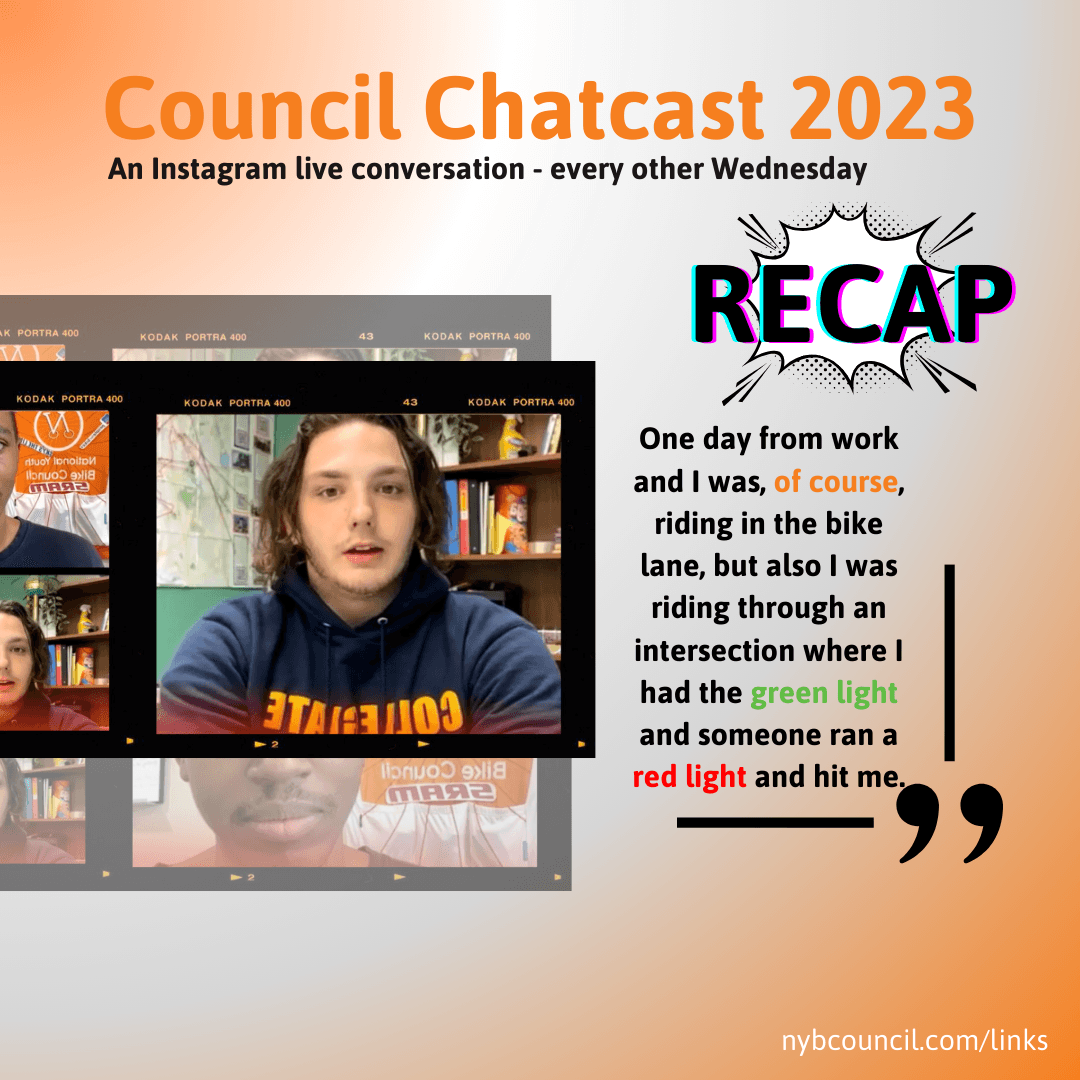
Council Chatcast youth also point out the importance of knowing safe and efficient bike routes when it comes to the logistics of commuting and that we need to make information about routes and education on urban cycling more accessible. Your whole biking experience can change based on which route you take. Josh M said, “You feel silly when you’re on a bicycle trying to cross, you know a six-lane highway underneath, it just feels like you’re about to die all the time.” Without proper infrastructure people are disincentivized to bike because it can feel dangerous and unwelcoming. The exciting part about the Council Chatcast is not only does it elevate the concerns of our peers but also the suggestive solutions as well. Interview 1 “I was gonna say bike packing is accessible, but it kind of isn’t because you need a lot of supplies to make it happen: camping gear, you need bags for your bikes, you need supplies, you need a sleeping bag, dicky sack, sleeping mat, and knowledge about biking or about where to camp or the weather. So that’s the main point of Youth Bike America is that we can make it accessible to people.” Said Dasha, a young commuter who uses bicycling and walking as her main form of commuting and is also leading Youth Bike America.

In addition to how infrastructure and access across the US is lacking and how we can solve it, there is so much that our Council Chatcasts voiced this year that I can’t fit into one blog. Our Council Chatcast participants highlighted including making biking communities more inclusive, biking more accessible, e-bikes, how we design cities, a possible biking utopia, how to engage youth, and more. Interview 6, “I don’t think I’ve heard anyone say flying bikes, but now that you said it, I can totally see that happening. They have to make it happen one day.” I plan to tell you more about their ideas, how our advocacy will play a part, and reveal more youth-thinking in 2024. See you then!

Brian, California is number 9 on the Top 20 pedestrian deaths for 2020 (actually tied with Georgia) do you feel that your experience supports that ranking? What are some trips you did in 2023?

Main Template

Celebrating Joshua’s Legacy, Embracing the Future

2025 marks the last year that Joshua is serving as the President of the National Youth Bike Council. Joshua served as
the National Youth Bike Council president since its inception in 2017. This transition happened a month after the 2025
Youth Bike Summit that took place in Boston between May 30-June 1st 2025. Attendees at the summit heard it first hand
from Council Member Pablo when the announcement was made on Sunday June 1st.

Welcoming Daniel C. as NYBC’s New President

Since June the transition has been underway. Today we have the exciting news that Daniel C. will be the new President of
the National Youth Bike Council. Leading the Council into its second generation of growth for youth leadership through
bicycling and fostering lifelong friendships between current and new Council members.

Joshua speaking at the Youth Bike Summit

Joshua speaking at the Youth Bike Summit

Joshua’s Tenure: Partnerships, Progress, and Purpose

During Joshua’s time serving the organization, the National Youth Bike Council discovered national level partnerships
with the recreation, healthcare, and education sectors. As President he also led the organizations through acquiring and
running the Youth Bike Summit from 2022 – 2025. We are very thankful for Joshua’s leadership in creating opportunities
for young leaders to learn, connect and grow through the initiatives of the National Youth Bike Council.

Joshua speaking at the Youth Bike Summit

Joshua is a continued board member of the organization and will be supporting as Board Chair and a Youth Bike Summit
Steering Committee member.
How To Engage High Schoolers

Hello and Happy Thanksgiving! Now we start our progression to the end of the year and with that we get to recount and reflect on all that we are grateful for! Since I am abroad this year in Northern Ireland, I was in charge of cooking the turkey for our Friendsgiving.

One of the opportunities I am grateful for this year was to be able to participate in the Safe Routes to School Summit. During our panel session facilitated by the National Center for Safe Routes to School I talked alongside three other panelists about how to get high schoolers involved in pedestrian advocacy and to ensure they remain involved after high school. Michele Walker, who works at TransForm and is in charge of the Alameda County Safe Routes to Schools high school program, brought her experience as an adult working with high schoolers and tips on how she got high schoolers interested. She emphasized the fact that getting involved in pedestrian advocacy can look like many things as we have talked about in previous blogs. For example, Michele talked about how she had gotten youth interested in transportation through community garden projects and beautification.

Cydney Thompson, a high schooler who is interning at the Civic Design Center, discussed the importance of milestones in order to keep students interested and to recognize their achievements. I think this is especially key in the transportation field where projects can take years to achieve. Working to get approval from the city or school administrations can be extremely frustrating and the bureaucracy can easily discourage advocates from pursuing projects. It can be even more discouraging when you’re working in the timeframe of four years. Some of the projects I worked on in high school I knew would not be completed before I graduated because the planned end date was 10 years. However, this is where organizations can help by keeping a continuity as students graduate and new students join. They can support by making sure projects continue to be worked on and can explain why these projects were started.

Jacob Smith, who started working in transportation in high school and has continued working in transportation as an adult at National Organizations for Youth Safety and National Center for Safe Routes to School’s Vision Zero for Youth, talked about how youth are the “Architects of Change.” Jacob focused on how youth are the ones who will be dealing with the effects of not improving the transportation infrastructure in the future, so it’s important to include them in the conversation because we are the ones who will be impacted by the decisions made today. As discussed, transportation advocacy is an especially long term change whether we are talking about the impact on the environment, health, equity, etc. The way our roads, sidewalks, bike lanes are laid out affect how we move about in life and therefore the effect of small problems can be exacerbated as well as small solutions can have compounding benefits.

Our panel was meant to support Safe Routes to School programs as they transition from focusing on elementary and middle schoolers to including high schoolers. While high schoolers can appear to be more difficult to reach out to, in reality, they are actively seeking opportunities to discover their identity and explore new interests to understand who they are and where they fit in the world. Teens often gravitate toward activities and experiences that resonate with their evolving sense of self and aspirations and Transportation advocacy has a lot of interesting aspects for us. For example, feeling and being an integral part of the conversation on transportation for all the reasons we discussed and more. Youth know about and are close to issues on the ground, they also have the will to make a change. Where organizations like the National Center for Safe Routes to School and the National Youth Bike Council come in is connecting youth to resources and tools in order to empower their voices.

Brian, why do you think it’s important for organizations such as Safe Routes to School to focus on connecting with high schoolers along with elementary and middle schoolers? What are some transportation activities you are thankful for participating in this year?

Walker Safety Means More Than You Think

Hiya! This is Nora, back with your October blog writing to you from Northern Ireland. While studying abroad I have gotten to learn so much about the world and other cultures. One night this month I was talking with my roommates and one of them asked me “what is a pedestrian advocate?” I realized that even though I identify what I do as pedestrian advocacy, I’ve never defined it outright. So that’s what I am dedicating this month’s blog to: what I mean by pedestrian advocacy!

I started using the term pedestrian advocate not for any real reason except that it made a nice acronym. I was a part of a club in high school that was formerly known as the Grady Pedestrian Safety Coalition, but when our school changed its name from Henry W. Grady high school we needed to change our club’s name. We came up with the Atlanta Students Advocating for Pedestrians or ASAP for short. From there we started identifying ourselves as pedestrian advocates.

Since our club was composed of students who walked, biked, skated, took public transportation, and drove and because we wanted to advocate on behalf of everyone. We are all pedestrians. So pedestrian advocacy relates to working to make the transportation environment outside of a car safer, pleasant, and more attractive to commuters. First and foremost we are trying to prevent deaths through initiatives such as the ghost bike project that we talked about in a previous blog or Vision Zero (working to achieve 0 traffic-related fatalities). We are also making sure that you are not having to walk next to four lanes of traffic or share the lane with cars who are going 50 mph. We also actively promote using alternatives to cars in your commutes.

Just like the people we advocate for, what we advocate and how we advocate also includes a lot more than those three missions. Transportation touches so many other fields such as environmental, equity, and health. Therefore when I say I am a pedestrian advocate I am advocating for the whole pedestrian. I advocate to ensure that schools in all income levels are safe for pedestrians. I advocate to promote better public transportation infrastructure to lower emissions and offer more affordable commuting options.

So what I mean when I say I am a pedestrian advocate is that I advocate for the safety of commuters. Safety of commuters in transportation includes a whole range of issues, which is why ASAP was advertised as an advocacy club for whatever you were passionate about.

How do you identify your advocacy? Do you define pedestrian advocacy another way? How do you explain your work in transportation to people who don’t work in this field? I’ll be waiting for your comments on Twitter, Instagram, or email (info@nybcouncil.com)!

Meet Daniel: New President of the NYBC

In our recent blog we wrote about Joshua F stepping down and Daniel C stepping into the position as President of National Youth Bike Council. Now, it’s time to meet Daniel.

Daniel grew up riding bikes recreationally and around his neighborhood, but nothing more. Now, he commutes by bike almost every day and enjoys exploring new places by bike within the Atlanta Metro area whenever he has time.

Daniel was not always like this, before the Council, he hadn’t really done much related to bicycles. He spent practicing instruments for a marching band and playing video games. Then one day he got an e-bike and became a fan but it did not come without loss. Meaning, Daniel had lost his vehicle prior to getting his first e-bike, it was an unfortunate situation but also his entry point into discovering the freedom and struggles of bicycling. “Though I can’t go nearly as far now, I’ve been surprised by how far I’m actually able to go if I take the right routes.” This all happened about a year and a half after he entered college.

“As my interest in biking and transportation was starting to grow, I found the National Youth Bike Council,” Daniel recalls, “I don’t remember what the post was specifically, but I was intrigued about the organization behind it. After looking up this organization that I had never heard of before, I filled out an application.” And just like that, after a meeting with former president Joshua and the other council members, he became an active council member, representing Atlanta.

Since March of 2024, Daniel has connected with like-minded people who care about our nation’s transportation and the role that bicycles play in that. He attended the Youth Bike Summit this past summer and absolutely enjoyed meeting everyone who went and getting to experience being in Boston for the first time.

“I’m excited to see how alternate transportation modes continue to fill in the gaps that cars and planes have filled for decades, and how the next generation will lead these initiatives” says Daniel. Outside of biking, he is a student at Georgia Tech, an active member of the Navigators, an employee at our Campus Recreation Center, and an avid listener and player of music. His biggest accomplishment is biking to Stone Mountain from Georgia Tech, which he really enjoyed. In what spare time he has left, he likes to post about transportation topics, he recently started an instagram called Daniel Travels (@danieltravelsofficial). This social media brand will be dedicated to being an outlet for him to share information about different aspects of transportation and the ways in which they influence our lives, “I’m excited to see where this experiment will take me”.

As the new President of the National Youth Bike Council, Daniel expects to have a better view of all the initiatives taking place through NYBC, and the role that he and others can play in it. “Some would say I have big shoes to fill, but I think that I’m bringing a different pair of shoes to this position,” Daniel says, “as the NYBC continues to grow and evolve, I want to do what I can to guide it and those affected to a future where we continue to press on hand in hand to advocate for bikes in our neighborhoods, schools, and communities. And so I ask you, will you join me in this journey?”

Joshua Makes Way For New NYBC President

2025 marks the last year that Joshua is serving as the President of the National Youth Bike Council. Joshua served as the National Youth Bike Council president since its inception in 2017. This transition happened a month after the 2025 Youth Bike Summit that took place in Boston between May 30-June 1st 2025. Attendees at the summit heard it first hand from Council Member Pablo when the announcement was made on Sunday June 1st.

Since June the transition has been underway. Today we have the exciting news that Daniel C. will be the new President of the National Youth Bike Council. Leading the Council into its second generation of growth for youth leadership through bicycling and fostering lifelong friendships between current and new Council members.

Daniel C. participating in a presentation at the Youth Bike Summit

Joshua speaking at the Youth Bike Summit

During Joshua’s time serving the organization, the National Youth Bike Council discovered national level partnerships with the recreation, healthcare, and education sectors. As President he also led the organizations through acquiring and running the Youth Bike Summit from 2022 – 2025. We are very thankful for Joshua’s leadership in creating opportunities for young leaders to learn, connect and grow through the initiatives of the National Youth Bike Council.

Joshua is a continued board member of the organization and will be supporting as Board Chair and a Youth Bike Summit Steering Committee member.
5 Steps Leaders Are Taking To Enhance Youth Voice

Without hesitation, the five points shared below should be extended beyond young people’s physical capabilities or academic performance. It challenges the notion that young people’s opinions are not worth consideration and that inclusivity along with many other benefits are lost when not properly engaging youth voices.

Recently, mayors and their staff were joined by Joshua from the National Youth Bike Council, Jacob Smith from National Organization for Youth Safety, Alison Collard de Beaufort with Vision Zero Youth Council, and Grace & Javier, both in 8th grade from the FCCLA to talk about several ways in which different initiatives across the US create meaningful engagement for young people.

These leaders took out some time to challenge their status quo and to learn a new perspective from young transportation advocates. What this teaches beyond transportation advocacy is that motivated young adults, when given the space and place to speak, will take it.

This event, hosted by the National League of Cities, enabled them to create an article called “Five Ways to Engage Youth in Road Safety Initiatives”, where the five ways derived from directly engaging young people. It’s fantastic to see articles created from this method of engagement, making an example of what working towards a more inclusive and collaborative future looks like.

Conversations that are yet to be had can start with these five points and serve as a great first step to uplifting the next generation. The points are as follows:

Meet with your local youth elected officials and organizations
Bring youth voices into Vision Zero and road safety initiatives
Host a day of youth and community education and action
Work with your local hospital to understand how many young people are involved in vehicle-related accidents in your community and find your high injury network (HIN)
Conduct a road safety audit near the schools in your city

Even though all of these do require their own episode, we will focus on the one that is the lowest hanging fruit. That is point number one, being the least local leaders and transportation members can help achieve. Here is a snippet from point number one, “meet with your local youth elected officials and organizations. Many municipalities have youth seats on their city council, committees and boards. Also seek out chapters of youth-led organizations like the National Organization for Youth Safety, the National Youth Bike Council, the Vision Zero Youth Council and FCCLA. Many middle and high schools have divisions of the National Honor Society, a volunteer organization of students dedicated to giving back.”

Simply put, if young people did not want to speak, they would not speak, but here we are speaking up. Additionally, including young people’s novel opinions, their capacity for driving change, and unique ways of thinking naturally fosters policies that create a more equitable and inclusive world for all ages.

This point was brought up by multiple groups during the conversation and is a note we gladly harper on as a basis for our youth leadership. We have to be willing to try and fail. Rather than to worry about our fear of not knowing, we’ll figure it out. It should not be uncommon for city leaders to ask or be asked about ways in which they are supporting the next generation by amplifying their voices and ensuring their active participation in decision-making.

As the lowest hanging fruit in the path to progress, engaging with local youth leaders and organizations can be a significant step towards building more inclusive and equitable communities. Unlike it may seem, even this step reaps great rewards and strengthens social fabrics by example and youth participation.

Here is a link to the full article. If you would like to support the creation of more articles like this, follow us to support our work.