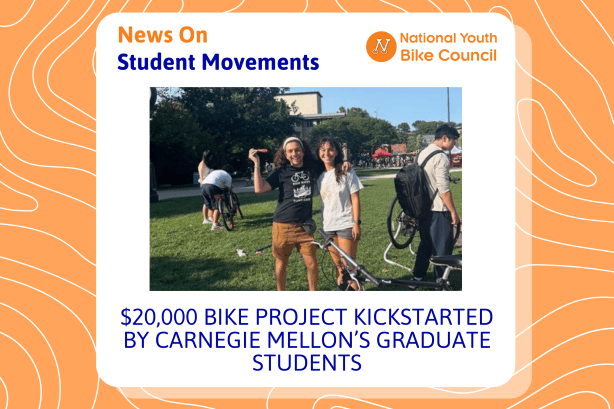
$20,000 Bike Project Kickstarted by Carnegie Mellon’s Graduate Students

Author: Council Member Joshua

It’s called the Tartan Bike Project.

What’s top of mind for college students these days? Freedom to move, affordable transportation, and finding real, meaningful friendships. That’s the spirit behind the Tartan Bike Project, launched by two graduate students, Kenedy and Hosea, who together raised $20,000 toward an on campus ‘Bicycle Project’.

Naturally, we were curious—how did they pull that off? In short, it took a lot of planning.

Since last year, the pair have been moving on launching a bicycle repair & rental space on campus in their free time. Its goal? To create a welcoming space where Carnegie students can gather around bikes, get repairs, borrow a ride, and keep campus life active and mobile—especially in the warmer months.

We Interviewed Kenedy

Moving to a new city was difficult” Kenedy shared. “OBP was a big part of my community, so I wanted something similar in Pittsburgh.

She’s talking about the Orange Bike Project at the University of Texas (UT) in Austin, where she did her undergrad. It was a student-run campus bike program that offered not just tools and repairs—but community. That experience sparked the inspiration behind the Tartan Bike Project.

When Kenedy started college at UT, she got a bike. Then she saw a call for volunteer mechanics at the Orange Bike Project. That was her entry point—not just into fixing bikes, but into a unique kind of student environment with a shared vibe and purpose. The bike shop became her second home.

After moving to Pittsburgh and meeting Hosea, Kenedy found herself in familiar territory—needing to fix her bike. On top of the need to fix it, she was getting ready to invest in a better and higher-end bicycle. The gap of there being no on-campus bicycle spaces got the pair thinking, maybe they were not the only ones with this issue.

After about a semester of listening and getting used to Pittsburgh, they figured out they were right. They were not alone in their needs. The hesitation amongst their peers to invest money or time to learn about bicycles mostly stemmed from a lack of repair support on campus. That growing need, mixed with their own desire for a shared student space, gave a new meaning to something bigger: the Tartan Bike Project.

Getting $20,000

The first part of the journey to starting a Bike Project was not straightforward but they had an idea: a pop-up bicycle stand. Hosea and Kenedy printed a ton of posters and hung them up around the bicycle racks on campus, drawing in over 80 students to their one-day pop up bicycle stand. To make sure it was not a fleeting idea, the two prepared a survey which about 40-50 students filled out, where they asked for volunteers, opinions and needs.

This initiative was so successful that the pair were invited to table at Bike Week which came up a few months after the pop up table. This initiative was run by Transportation Services at Carnegie, led by Michele Porter, the department’s Director. This event offered bicycles that were left around campus to passing students alongside a lot of other amenities from off-campus bicycle providers. The main issue the two noticed was that the bicycles that were given away would end up abandoned again because students had no clue on how to fix up the bicycles. With the help of Kraynick’s Bike Shop, who provided them the tools, the opportunity turned into another promising success, where they fixed as many bicycles as they could that day, building their case for why an on-campus bicycle project was needed.

They worked closely with the school and some friends from Pitt Bike Cave to curate a proposal that went through the Graduate Student Assembly. Simultaneously, they made sure to make friends along the way with Michelle Porter.

Reflecting back, Kenedy mentioned that her role models for starting the Bike Project were more
than just the Orange Bike Project students, but Yellow Bike (also located in Austin), Pitt Bike Cave (located in Pittsburgh), and FreeRide. Each organization’s presence in her communities helped make an impact on Kenedy’s decision that an on campus Bike Project would be worth it.

The proposal was approved by the Graduate Student Assembly which got them a multi-year commitment to support the Tartan Bike Project with $20,000. (Later, the Graduate Student Assembly would approve another 3K of additional funding to support other more immediate project needs.)

What’s Next?

Connect with people around you.” That was one piece of advice Kenedy mentioned for students who are considering starting a bicycle project at their university. Their current challenges are now putting into action all the needs they mentioned in the budget.

Hosea and Kenedy know their project is long lasting as support in their work from Carnegie demonstrates the university’s multi-year financial commitment to student transportation needs and fostering on-campus student relationships. The two have big plans and wishes, all the way from offering credited classes with the Tartan Bike Project to being a part of the school’s Transportation Service department.

Tartan Bike Project will be open Fall 2025, starting with a few regular hours, and some social aspects.

Do It Yourself

Hosea and Kenedy are not the only ones with on-campus bicycle projects. There are other long-standing bicycle projects that have figured out what makes a university bicycle project work.

Tatiana from Georgia Tech, is the former president of Starter Bikes, a bicycle project very similar to Tartan Bike Project, at a Bicycle Friendly University has agreed to give us the ‘Essentials to start a College Bicycle Program’ on July 14th at 11:30 AM ET. During the webinar, Tatiana, will break down the essential resources you need to start or sustain a bike program on your campus. From sourcing tools and parts to securing space and allies, she’ll share practical tips and lessons learned from running a thriving student-led bike shop at Georgia Tech.

Sign up for our Newsletter to join the webinar.
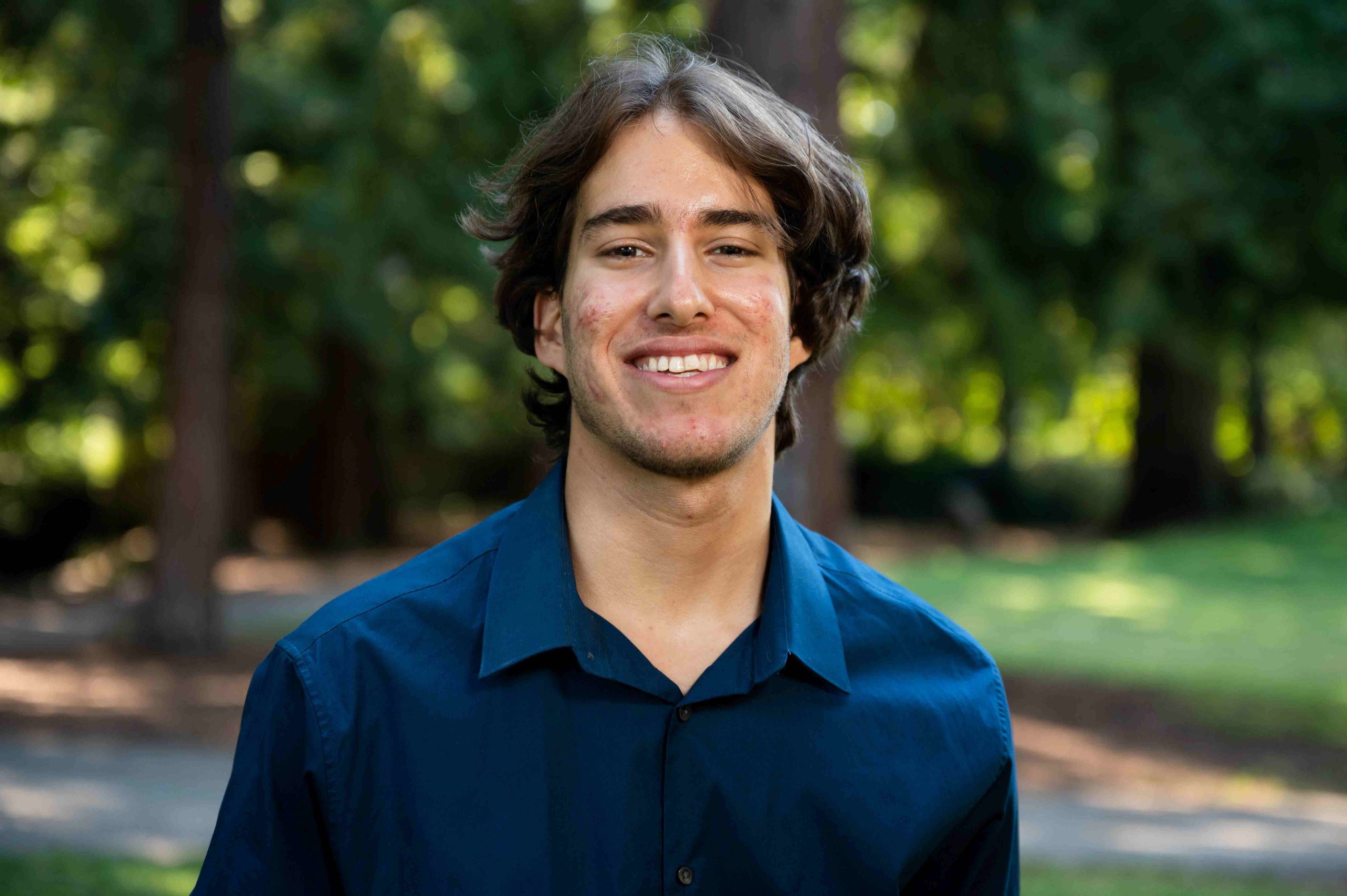
Student At Brandeis University Plans The Next Bicycle Library

Author: Council Members Zoe & Joshua

Highlight: Student At Brandeis University Plans The Next Bicycle Library

For some rejection is redirection. For Allan F., a soon-to-be senior at Brandeis University, it’s all about staying motivated through rejection. Fueled by passion and determination, Allan has always dreamed of participating in a more bicycle-friendly community. His desire stemmed from simply riding a bicycle when he was much younger, a hobby that followed him all the way to college at Brandeis University, a college located not too far from Boston Massachusetts.

The opportunity to make a difference came after Allan’s freshman year when he learned about DeisBikes through other students, a now-defunct bike-share program at Brandeis that once ran 15 years prior to 2024. DeisBikes allowed students to “check out” bicycles like library books and return them after a set time. Seeing this as his way to create a more bicycle-friendly campus, Allan planned to revive the program to create a campus where students could easily commute, explore local trails, and embrace a more sustainable lifestyle.


Highlight: A Library Of Bicycles

Unfortunately, DeisBikes had been discontinued when its founding members graduated, leaving no structure for continuity. Allan had a reputation for being the “the guy who bikes,” so he quickly found a way to get in contact with the founders of DeisBikes to understand their challenges. Their insights pointed to a critical issue: sustainability. This was an opportunity for the school and Allan to renew the program and increase student and faculty biking overall.

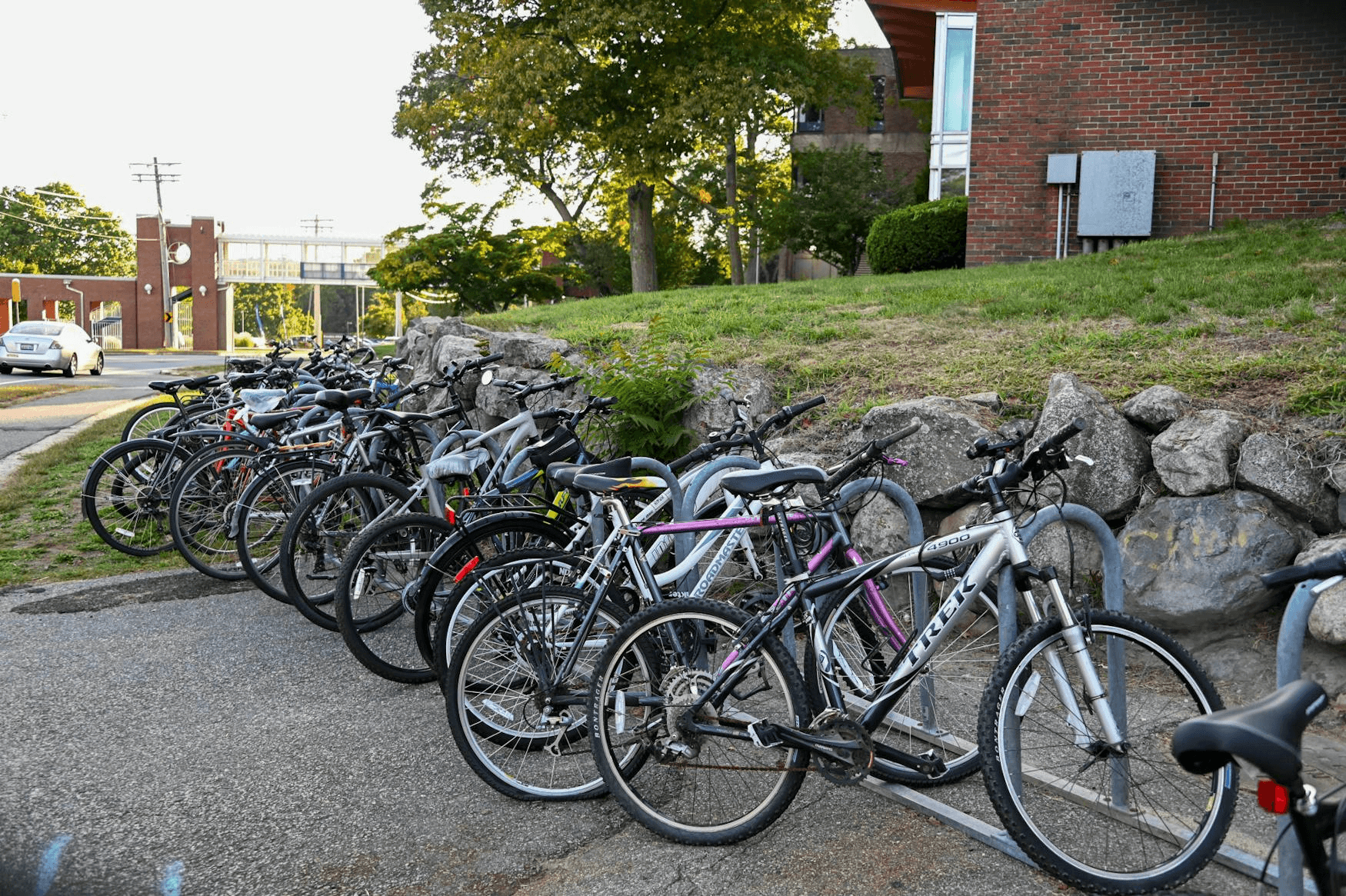
Bicycles at Brandeis – Photo credit of Lin Lin Hutchinson from The Justice

Bicycle Library Challenges For Brandeis

The biggest hurdle for Allan was figuring out how to structure a program that wouldn’t collapse when students graduated. This was fate of DeisBikes, which had 4 super dedicated students back in the day. Adding to the challenge, Brandeis’s sustainability office was defunded last year, leaving Allan without institutional support.

During his junior year, Allan surveyed 300 of Brandeis’s 5,000 students. The results were overwhelmingly positive: 91% of respondents supported a bike-share, with 51% saying they’d use it daily. The survey energized Allan, who began envisioning a team of students from multiple class years to ensure long-term commitment.

Another motivator for Allan is Mo, a Brandeis alum, who has done very similar work on campus before involving sustainability innovations. Mo Re Kim ’24 has been instrumental in helping Allan think through the structure of the program and provide previous Brandeis knowledge for future conversations with its Department of Transportation.

With the newfound momentum Allan submitted a proposal to the university, encouraging the use of a Bike share, bicycle library project: Brandeis Bikes. After much discussion and a bit of waiting, the university rejected the proposal.

Setting A New Vision For DeisBikes

Allan admits the rejection was tough but says it provided clarity. “It showed me where the gaps were and how to strengthen the proposal,” he explains. Feedback from the university highlighted the need for him to have specific storage solutions for the bikes and designated roles for short-term and long-term program management. It will also consider a new location for the bicycle system, “by the gym [instead of] the library” he mentioned.

Allan, a Brandeis student

Drawing further inspiration from other bike-share programs such as Tufts Bikes in Tufts University located near Boston, he hopes to see convenient bike racks at every building, a convenient technical way to checkout bicycles, and campus maps highlighting the best bike routes.

Allan has learned that to create change, it requires collaboration, bringing people together and not having them work alone. “This is just a small obstacle we’ll overcome,” Allan says confidently while also giving thanks “to the continual support of MassBike and the Bike Together Waltham community”. With the second semester ahead, he’s committed to making the Bicycle Library a reality at Brandeis. Allan is calling on his fellow students to help with getting the word out, map-making, and maintenance. Allan can be reached at alfeldman@brandeis.edu.

The Council In DC

Author: Council Member Nora

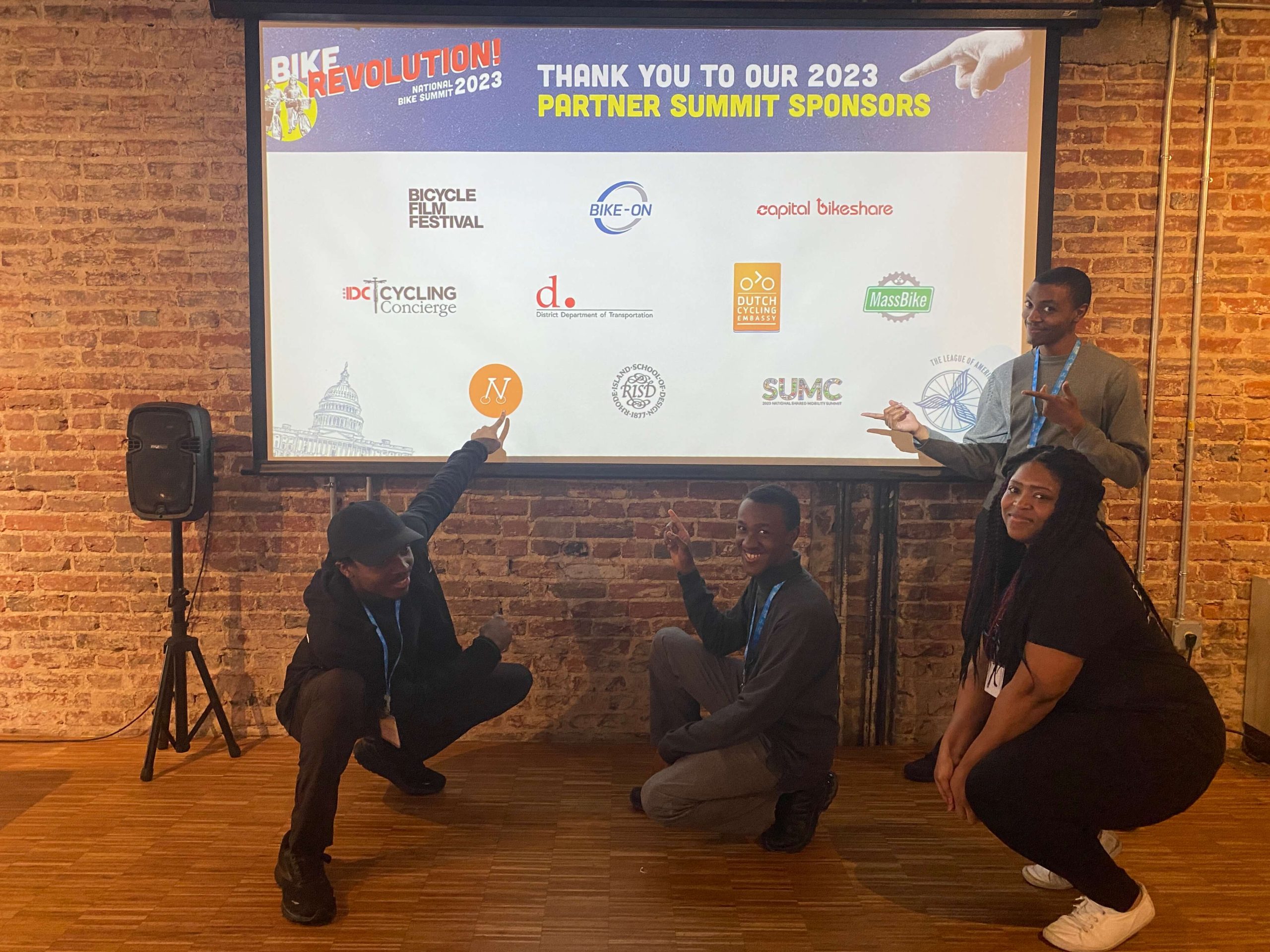
We are live and we are national. That is right, we just got back from the 2023 National Bike Summit in Washington, D.C. during peak cherry blossom season: March 26th-29th. Lot, Joshua, Job, and I met up to give a presentation on where the Youth voice fits into the world of biking. But before I get into that, hi! My name is Nora, one of the newest members on the Council, and I along with the other council newbie–Backwards Brian–will be bringing you blogs every month to discuss Council activities, the world of biking, and more! Brian will be making incredible and fun videos below that will go over what I am writing about but with his own style, which–trust me–gives you a new perspective, that’s what riding backward does.

So nice to meet you, now this is the 23rd National Bike Summit and it is an event where all kinds of commuters meet from around the country to ride, network, and discuss the future of biking. One presentation by Outride focused on the brain and how biking impacts its level of performance in beneficial ways. We even got to see it with a VR headset and a bicycle setup!

One of my favorite presentations was a panel discussion on “Creating Safe Streets for Women” in which the Honorable Jennifer Homendy, Chair of the National Transportation Safety Board, opened up the talk by delving into how biking can be both an empowering and dangerous activity for women, so how do we make it just empowering? Biking serves as a car-free option for women to choose from outside of public transportation–where many women face negative experiences–but more work needs to be done to make public spaces safer for women and all pedestrians who use these public spaces to travel. I particularly enjoyed hearing from Tanisha Sepulveda who is a wheelchair user working to create a cohesive and usable infrastructure for wheelchair users in Seattle, Washington. Tanisha worked to bring attention to the inadequacies of Seattle’s infrastructure by challenging state lawmakers to spend a week free of a car, some weren’t even able to go without a week.

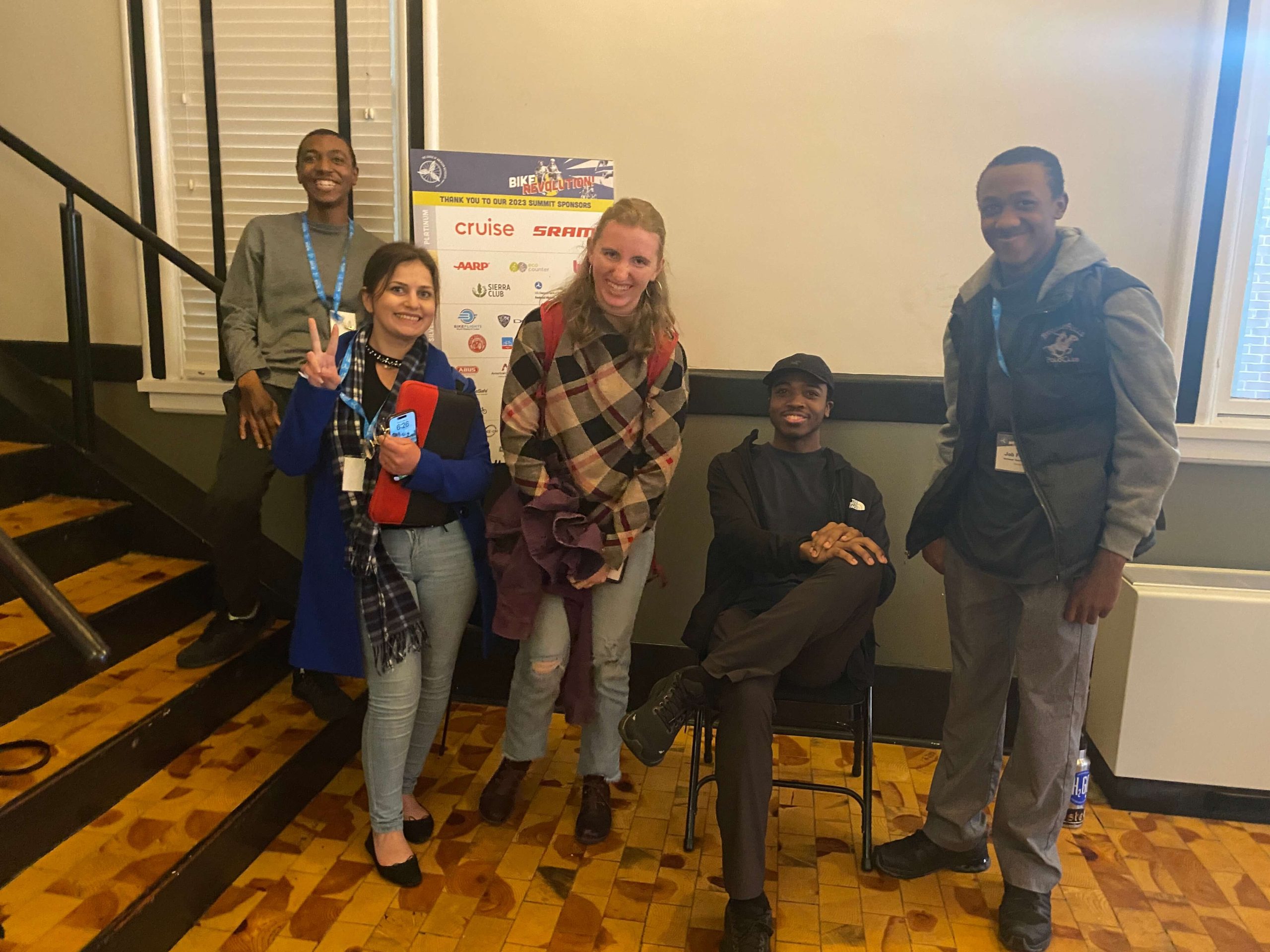
One of the biggest surprises for Lot, Job, and Joshua was running into Yasmine, another youth road-safety advocate. Yasmine was surprised to meet them on one day of the Summit. The shock was so great, it gave us a new friend from Miami and we ended up hanging out all day during the Summit in different presentations.

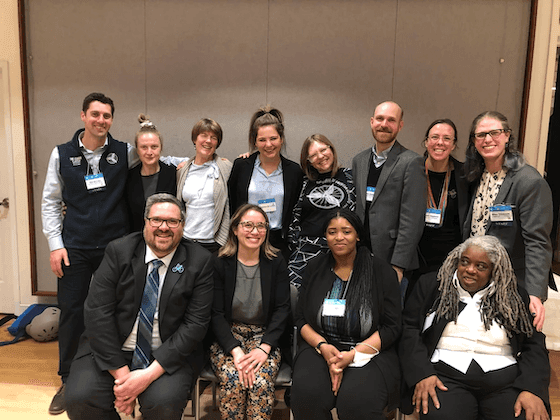
left-to-right (Joshua, Yasmine, Nora, Lot, Job)

Joshua, Lot, and Job headed to the Capitol on Wednesday to meet with their representatives and discuss infrastructure needs for the biking community. The three Pennsylvanians chatted it up with staffers from Representative Madeline Dean; Senators John Fetterman and Robert P. Casey Jr. Then they got asked to lobby other Senators because they were doing so well, woohoo! The organizers obviously realized the power of giving the youth a voice. Young people are also out there making change and we got to tell legislatures about that change and what the Council was up to!

What It Feels Like To Be New To The Bicycle Space

We try to spotlight youth ages 24 or younger, but Raven, who is currently employed with the League of American Bicyclists, is a recent 25-year-old and the youngest staff member on the daily team. In addition, Raven is also fairly new to the bicycle advocacy space and, believe it or not, she got a chance to participate in her first lobbying session through the National Bike Summit!

Since this was Raven’s first time attending the National Bike Summit (Bike Summit 22) as a staff member, her experience was divided between attending sessions and facilitating others. On top of that, Bike Summit 22 had multiple ways to attend: “It was a love-hate relationship with being able to meet advocates and attend sessions in-person but also balancing attending virtually while taking on the responsibilities of being an admin for the event,” Raven expressed. “I left this year’s Summit knowing that there were still many conversations for me to listen in on and so many more advocates to meet next year.”

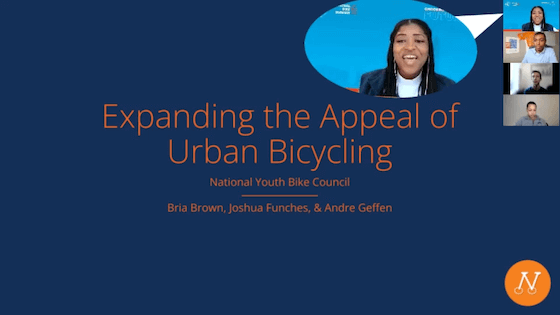
Raven was the facilitator for our presentation, where we spoke about how stigma, law enforcement, and infrastructure played into preventing the expansion of urban cycling. She kicked us off and had some great feedback at the end of the presentation: “The topic was really relevant and relatable.”

Other presentations that sparked her interest as a first-time attendee and admin were a presentation on how to encourage local businesses to apply to the Bicycle Friendly Business program and conversations around finding new community spaces to encourage people to ride bikes. Right on point, because she was trying to gain confidence for riding a bicycle to the National Bike Summit in D.C. for the first time. Raven described the journey as a scary, but fulfilling experience, noting that Bicycle Friendly Communities and the topics around expanding infrastructure appealed to her as someone with little to no experience riding in an urban environment.

“The presentation was easy to digest and was broken down very well. Also, no one presented a game at the end of their presentation like what I saw the National Youth Bike Council’s presentation do!” – referring to our version of ‘finding Waldo’. The game was short and sweet and may still be available if you take a look at what participants had to do to win!

Raven mentioned, “I was trying not to lose my ‘host face’ even though I agreed with a lot of what you all were saying.” She goes on to say that statistics aren’t just numbers when it comes to law enforcement. Saying that before she joined the League of American Bicyclists she was not aware of the statistics, but she knew enforcement was an issue from her own personal experience, “it’s good to hear that the stats are not just stats, they are reality.”

“I did not think people could be so angry and resentful towards people on bicycles,” this statement is a common theme among the youth community the Council is boosting and was included by Raven in her feedback to us about the presentation. She also mentioned how she was pretty disconnected from the whole movement in general before joining the League, but not on purpose. Raven was more of a walker and learning about all the notions around bicyclists was an enlightening moment at our presentation and throughout the experience of the National Bike Summit, this makes the reason behind her day-to-day work stronger.

Actually, she did not learn to ride a bicycle until the age of 24, which is a fun fact. She also pointed out that if she had not been embarrassed to tell her friends she did not know how to ride a bike, she would have given the bicycle a chance sooner. She believes that riding bicycles together removes a portion of the fear a younger rider may experience riding alone in the city, “just one other person was enough to get me to ride.”

As said by her team, Raven’s service is a great addition to the team because she has not been exposed to the bicycle space before and brings a fresh and younger perspective. Through facilitated connections and conversations we hope many of the youth in this growing community can get opportunities and be essential to the bicycle space like Raven.

We thank the League for giving us a great experience at the National Bike Summit this year! Happy Bike Month!

Cross Youth Leaders With Bicycles – This Is What You Get

Age is just a number? That is something that Council members Lot, Joshua, and Job will stand by once again, in reference to leadership, as they lead their peers in the Philadelphia region into fun bicycle activities this year.

Independence Youth Cycling along with two other organisations partnered with the National Youth Bike Council to host Spring Things. Spring Things is a flexible game that the Council members made to engage with different bicycle clubs, groups, and programs that adds an additional layer of fun to the program or pre-season activity by rewarding youth participation or leadership. Spring Things is all about having fun on your bicycle and getting rewarded for it – Maris will tell you!

Maris, a youth mountain biker with Independence Youth Cycling, is leading Spring Things in the Greater Philadelphia area with the Council. Maris alongside a few of her peers have worked to launch a Mountain Bike Bingo board (below) that has a list of activities that encourage each other to ride before the season officially starts. You can “ride a bicycle with a friend” or “ride to school or work” for starters. Riders have had access to the board since April 5th and will have the opportunity to submit completed board items until about the first week of May.

While putting the board together, Maris stated a few of her hopes for the outcome of Spring Things. “Off-season training and fun, hoping to have more interaction between members during off season times and away from race-related activities.” She firmly believes that “there are a lot of really helpful and great people in the bicycle community. The cycling community is amazing.” It’s clear that she is the embodiment of leadership and carries the bonus of having made this event possible for her peers, making her a great youth leader on her team.

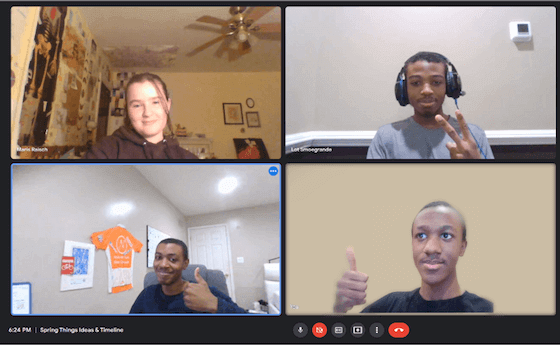
The photo above is the group getting together to help finalise the event before it launched in April. We are excited to see what comes out in May!

As the planners, we used Discord to coordinate the event, a chat that you can join right here to watch others ride along and complete the challenges. Maris mentioned that she “loved seeing [the] council interact within the discord platform. Specifically, the casual conversations evolved around non-council activities.”

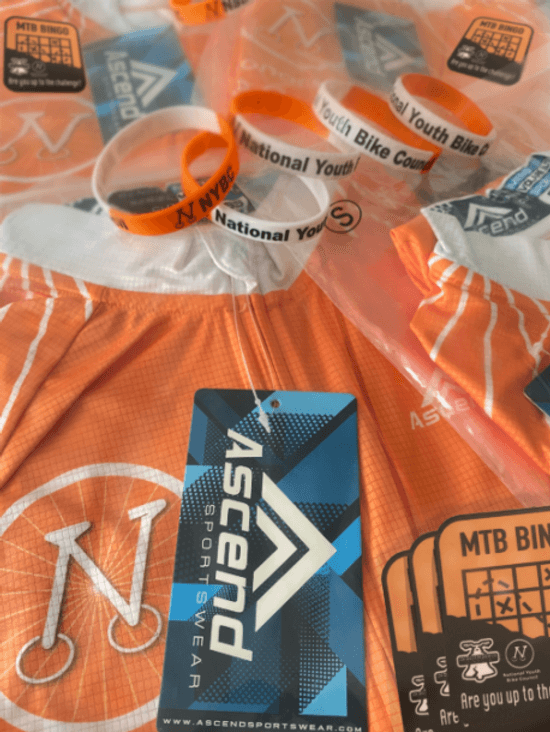
Above, you can see the prizes that come along with participation – ranging from a brand new National Youth Bike Council Jersey to some wrist bands and stickers!! The most rewarding of all is getting out and getting on your bicycle!

National Youth Bike Council is a youth-led non-profit organisation established in 2017 with a mission to provide an active learning space for young cyclists to boost youth voice in the bicycle industry through peer leadership.

Learn more about Independence Youth Cycling – See The Bingo Board While It’s Still Live