Cross Youth Leaders With Bicycles – This Is What You Get

Age is just a number? That is something that Council members Lot, Joshua, and Job will stand by once again, in reference to leadership, as they lead their peers in the Philadelphia region into fun bicycle activities this year.

Independence Youth Cycling along with two other organisations partnered with the National Youth Bike Council to host Spring Things. Spring Things is a flexible game that the Council members made to engage with different bicycle clubs, groups, and programs that adds an additional layer of fun to the program or pre-season activity by rewarding youth participation or leadership. Spring Things is all about having fun on your bicycle and getting rewarded for it – Maris will tell you!
Maris, a youth mountain biker with Independence Youth Cycling, is leading Spring Things in the Greater Philadelphia area with the Council. Maris alongside a few of her peers have worked to launch a Mountain Bike Bingo board (below) that has a list of activities that encourage each other to ride before the season officially starts. You can “ride a bicycle with a friend” or “ride to school or work” for starters. Riders have had access to the board since April 5th and will have the opportunity to submit completed board items until about the first week of May.

While putting the board together, Maris stated a few of her hopes for the outcome of Spring Things. “Off-season training and fun, hoping to have more interaction between members during off season times and away from race-related activities.” She firmly believes that “there are a lot of really helpful and great people in the bicycle community. The cycling community is amazing.” It’s clear that she is the embodiment of leadership and carries the bonus of having made this event possible for her peers, making her a great youth leader on her team.

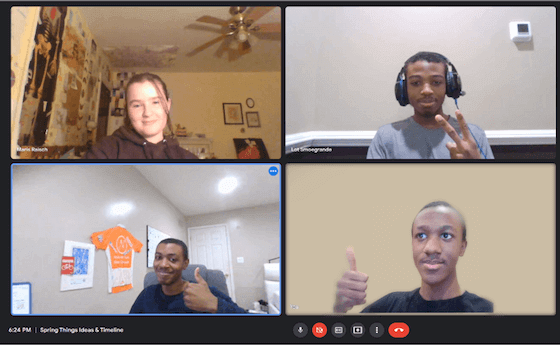
The photo above is the group getting together to help finalise the event before it launched in April. We are excited to see what comes out in May!

As the planners, we used Discord to coordinate the event, a chat that you can join right here to watch others ride along and complete the challenges. Maris mentioned that she “loved seeing [the] council interact within the discord platform. Specifically, the casual conversations evolved around non-council activities.”

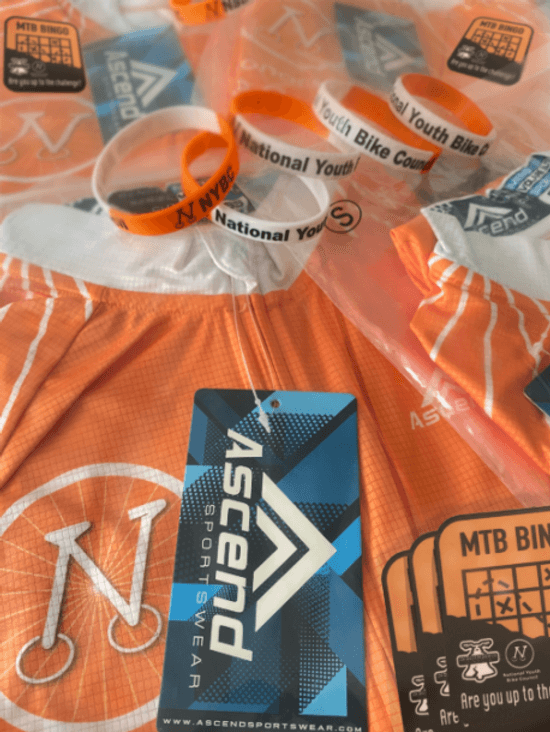
Above, you can see the prizes that come along with participation – ranging from a brand new National Youth Bike Council Jersey to some wrist bands and stickers!! The most rewarding of all is getting out and getting on your bicycle!

National Youth Bike Council is a youth-led non-profit organisation established in 2017 with a mission to provide an active learning space for young cyclists to boost youth voice in the bicycle industry through peer leadership.

Learn more about Independence Youth Cycling – See The Bingo Board While It’s Still Live
The New Threat To Youth Bicycle Ridership

Joseph, a dedicated instructor at a Rhode Island-based middle school, leads a bicycle program that teaches students how to ride for the first time. His students gain confidence and independence as they explore local trails during school hours. However, the program faces a significant challenge: retention. As students transition to high school, engagement declines, and many never return to bicycling. Without continued participation, the motivation to ride fades, limiting the long-term impact of programs like Joseph’s.

This challenge is not unique. Programs such as Silver Stallion, based in the Navajo Nation and led by Scott Nydam and his team, encounter similar difficulties in sustaining ridership and engagement over time.

Data from the National Sporting Goods Association highlights the severity of this decline. According to their 2024 report, youth bicycle ridership has dropped to a generational low. In the early 2000s, 41% of 44 million children and teens (ages 7-17) participated in bicycling. Despite an increase in the youth population to 50 million, only 22% engaged in bicycling in 2024. This means that four out of every five children are without the essential cognitive, physical, and emotional benefits of bicycling. It also indicates that a vast majority of youth are not learning how to navigate their cities by bicycle, leading to a knowledge gap that further discourages ridership.

IS THIS A CRISIS? WHY IT MATTERS

Beyond the concerns of individual bicycle programs, this decline raises broader questions:

  • Is bicycling becoming outdated for today’s youth?

Photo provided by Scott Fitzgerald during the National Bicycle Dealer Associations Summit, demonstrating the lack of ridership despite the increase in youth population in the U.S.

MENTAL HEALTH THREATENS RIDERSHIP GROWTH

How does a decrease in mental and physical wellness relate to bicycle sales for youth, youth bicycle ridership, and participation in bicycle programs? The Global Mind Project’s 2024 report reveals that distress levels among young people have doubled in the last five years, rising from 15% in 2019 to 30% in 2024, with minimal signs of improvement. The report states, “Younger age groups saw a dramatic decline of over 40 points, while those over age 55 showed little change. Since the 2021 low, recovery among younger generations has been minimal.”

The Global Mind Project, The Mental State of the World in 2024 Report: Shows an increase in distress and struggles for all age groups

The CDC has officially declared youth mental health a crisis. Yet, despite mounting concerns, bicycling—once a natural outlet for stress relief, physical activity, and social connection—is not a first choice of self-prescription or promoted as a solution. As motivation and activity levels decline among young people, how will they rediscover bicycling as a source of well-being?

Joseph’s middle school program provides students with physical activity, social connection, and a sense of achievement. However, when students age out or lack opportunities to continue riding beyond school hours, they lose access to these benefits. In a generation overwhelmed by digital distractions and constant demands on their attention, bicycling is often overlooked in favor of screen time—despite being an unmatched tool for autonomy, stress relief, and overall well-being.

Without intentional intervention, the industry risks allowing this decline to continue, further distancing young people from the benefits of bicycling.

OUR ROLE IN COUNTERING THIS THREAT

Joseph recognizes that to sustain youth bicycling in Rhode Island, he needs support. His search leads him to the Youth Bike Summit, a three-day annual event that brings together educators, program leaders, and youth advocates from across the U.S. Through workshops, discussions, and peer learning, he discovers strategies to keep students engaged beyond middle school, re-engage alumni, and build partnerships that support cycling within families and communities.

At the summit, young people take center stage as keynote speakers, facilitators, and decision-makers. Through their leadership, attendees like Joseph gain fresh perspectives on how to address declining ridership and rising mental health concerns. Equipped with new insights, resources, and a network of fellow advocates, Joseph is better prepared to sustain and expand his program’s impact.

Knowledge sharing and modernizing youth bicycling programs are critical to reversing this trend. Supporting initiatives like the Youth Bike Summit and ensuring that educators, community leaders, and organizations can attend is essential to preserving and growing youth ridership.

Get involved today. Support meaningful bicycling experiences for young people by donating or partnering with us (email us: info@nybcouncil.com) to reverse the youth ridership decline. Together, we can ensure that bicycling remains a vital tool for youth wellness, independence, and community connection.

Q&A With Allan Of Brandeis University

Meet Allan
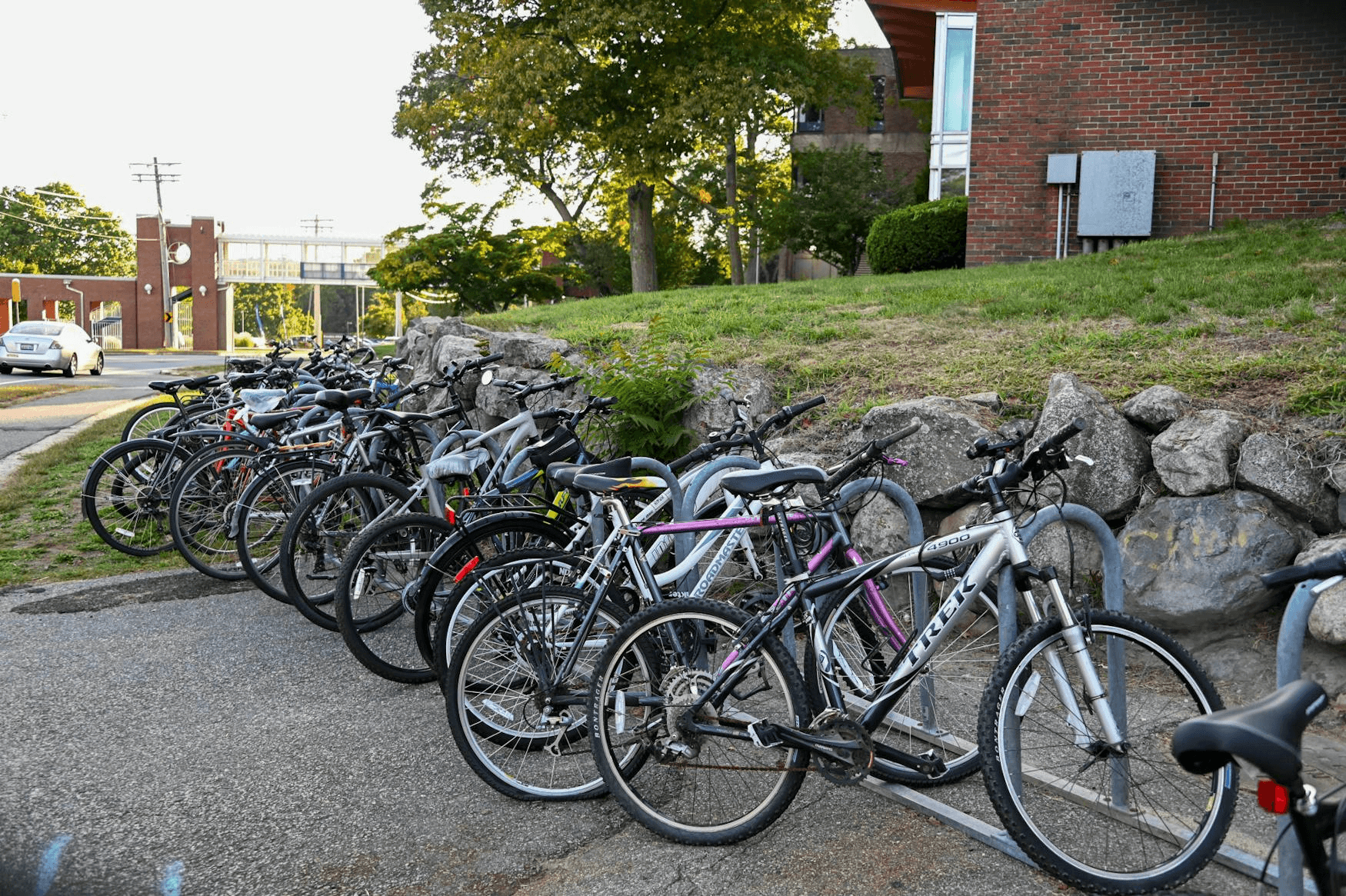
We asked Allan what motivated him to start a Bicycle Library like the late DeisBikes project. He attributed it to riding a bicycle as a youth and experiencing how limited the bicycle infrastructure was on campus. All he wanted at first was just a few more bicycle racks to attend class. Then he started to dream bigger once he learned more about how DeisBikes used to operate. Now, he wants to leave Brandeis, but not before having established a bike library program, having that come to fruition would be a dream. He acknowledged this in addition to all of his other duties as a student, where reviving a program similar to the old DeisBikes would be a significant achievement for himself and Brandeis.

(Allan, a Brandeis student)

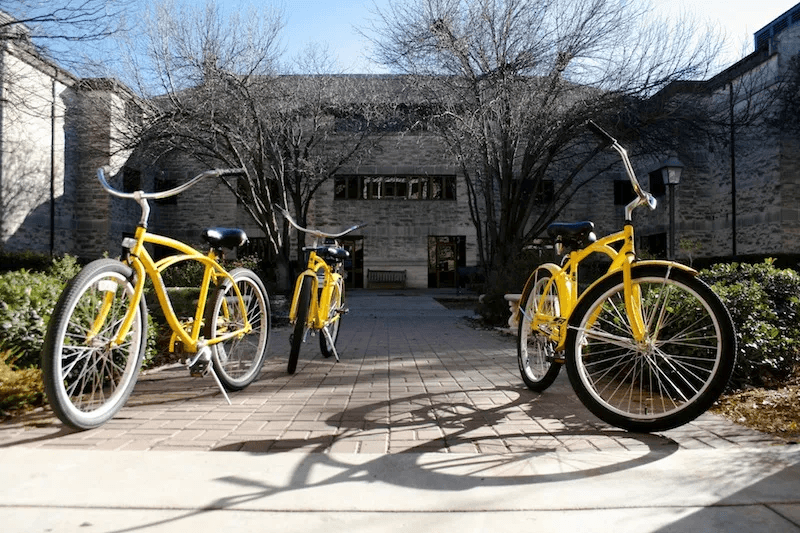
Determined to address these concerns, Allan plans to submit continue his work in the Spring of 2025. He also envisions an educational component to the program if time allows, offering common-knowledge bicycle safety tips for students with varying levels of experience. It’s also not unheard of for bicycle libraries or collegiate bicycle communities to share the same color scheme as the university, like Southwestern University out of Georgetown Texas does with their Pirate Bikes.

(Pirate Bikes – Photo credit of Peter Suciu with Bike Radar)

Drawing further inspiration from other bike-share programs with Tufts Bikes in Tufts University located near Boston, he hopes to see convenient bike racks at every building, a convenient technical way to checkout bicycles, and off-campus maps highlighting the best bike routes.

Q&A With Allan

1. What bicycle do you ride and what’s the name of it?
A: I ride two bikes. The bike I ride in Boston is the 2018 Giant Contend 3, which I used to commute to school daily last year.

2. What other forms of transportation do you use as a student when not riding a bicycle?
A: I like to use the Brandeis Shuttle, particularly to get into Boston and Cambridge on the weekends or into Waltham. I also use the commuter rail often and the MBTA bus to get outside of Waltham– Bus 70 is a life saver. Otherwise, I tend to walk around campus, and sometimes will use a ride-hailing service like Uber or Lyft.

3. How often do you ride as a student?
A: During the school year I like to ride around once a week on the weekend for anywhere from 30 to 120 mile rides, either solo or with a friend. This doesn’t include occasional races with Brandeis Club Cycling. I also participate in cross-training with running.

4. How can students or faculty that potentially see this help?
A: The goal is trying to get other campus bike shares in Boston together for community events, education bike workshops, and just larger thinking. However, any support is welcome. The best way to reach me is by sending me an email at alfeldman@brandeis.edu.

The Council Leads The Youth Bike Summit In The US

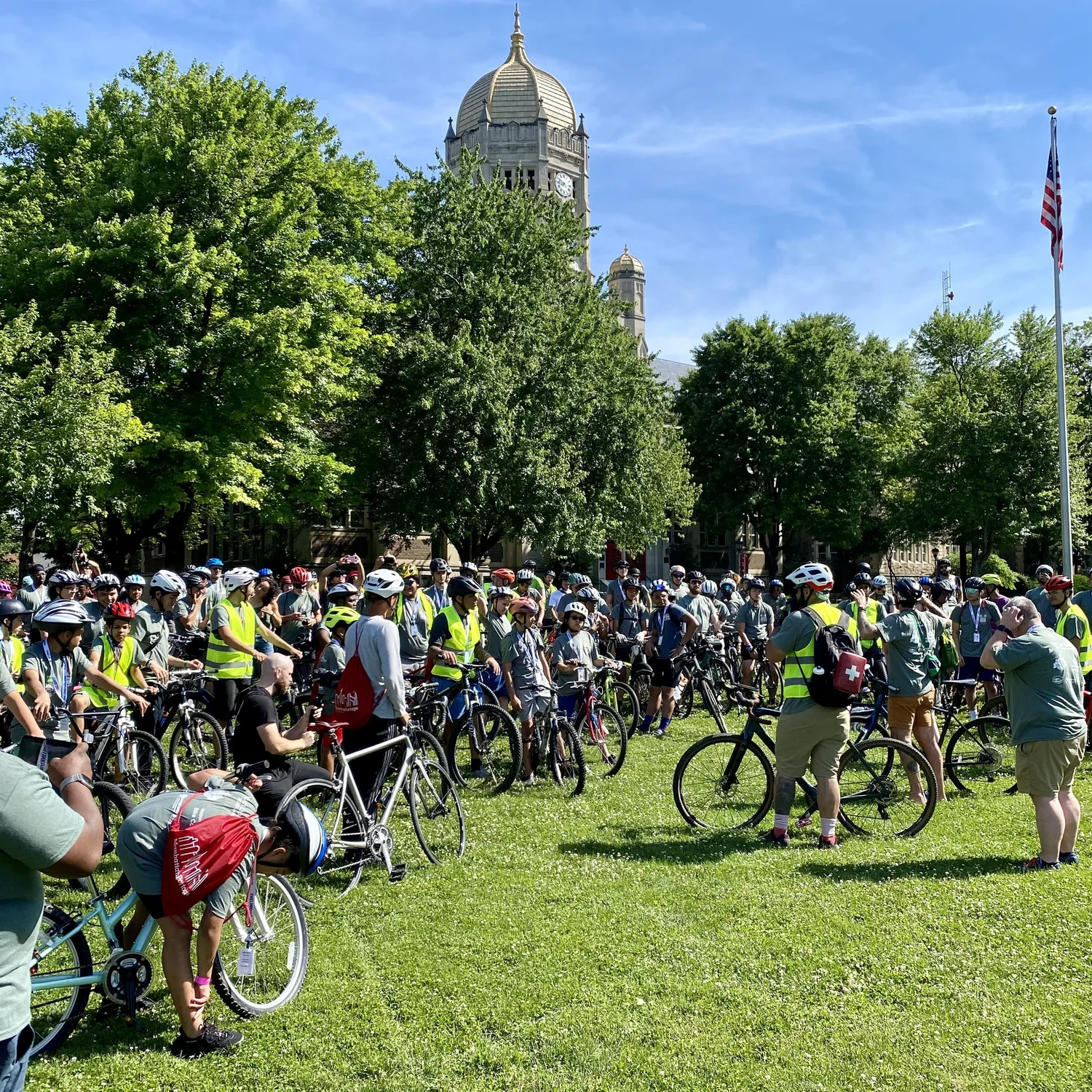
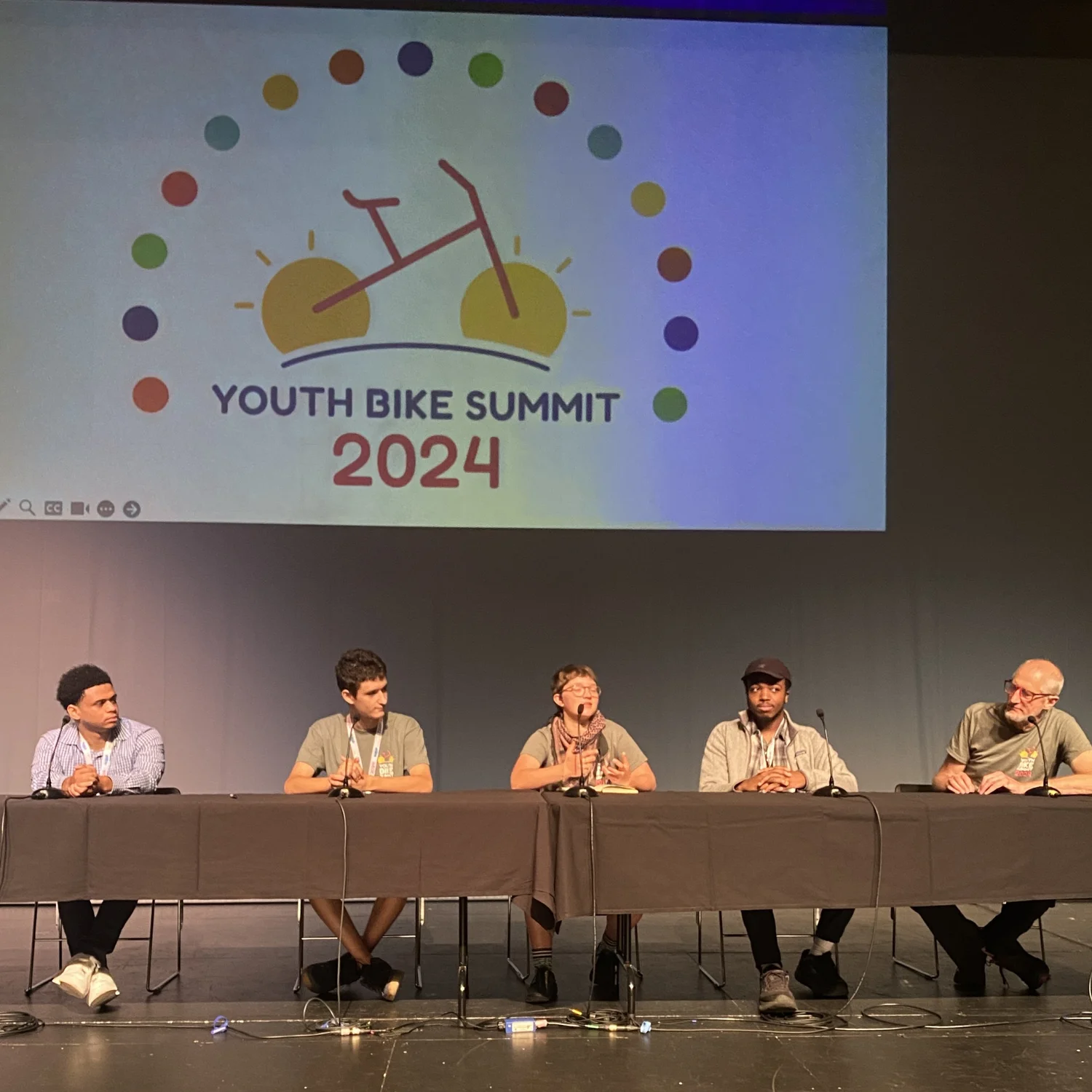
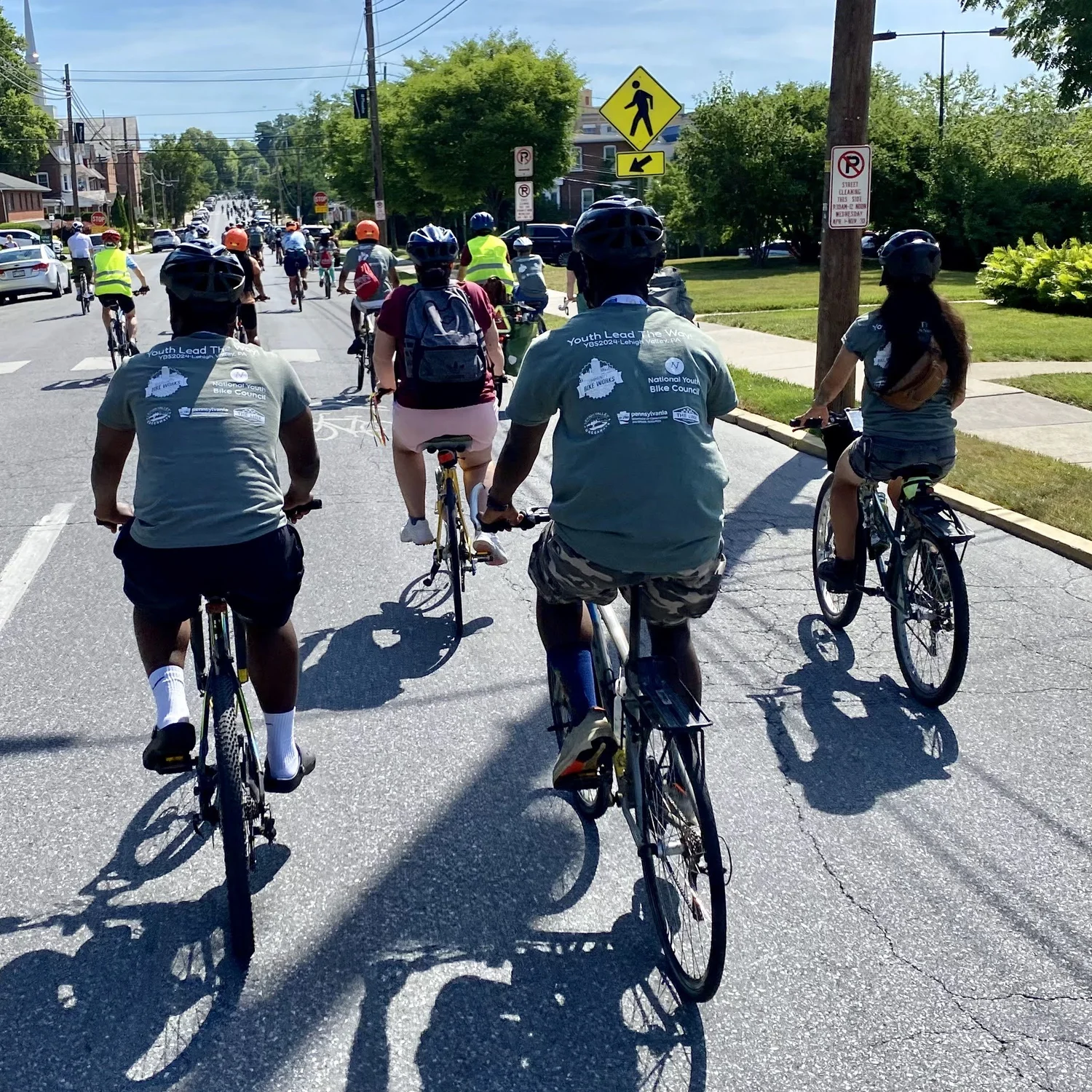
14th – 16th June 20204, Allentown, Pennsylvania U.S.A – Leaders from the National Youth Bike Council (NYBC) led a Youth Bike Summit that looked to further connect young people into the world of bicycling or bicycling advocacy by bringing like minded young people and their staff members together.

The Youth Bike Summit has been going for nine years and is deeply rooted in community engagement. According to the president of the NYBC, Joshua F., the Summit “thrives because local organisations that get young people on bicycles bring their young people to the summit each year”

Some priority Sustainable Development Goals (SDGs) that guide the event are SDGs 11: Sustainable Cities and Communities, 4: Quality Education and, 13: Climate Action.

The organisers worked with different local stakeholders and they started creating programs that encourage youth to use their bicycles, especially directed to those who may want to start the journey but are unsure how.
Through the workshops, the NYBC calls for additional youth groups to join the resource-sharing partnership for cyclists in and around Pennsylvania. “The Resource Sharing Partnership is an opportunity for youth groups to sustain, improve, and transform approaches to getting more young people educated, riding bicycles, and closer to leading local action.”

The Summit was joined by 206 youth, staff, and volunteers from 26 different youth-focused organisations.

The attendees were presented with testaments from leaders in the international cycling community and were invited to attend peer-led workshops. They also joined several different themed bike rides, engaging and interacting with their fellow cyclists.

The Summit was made possible through local partnerships with Community Bike Works, passionate contributors, and crucial sponsorships.

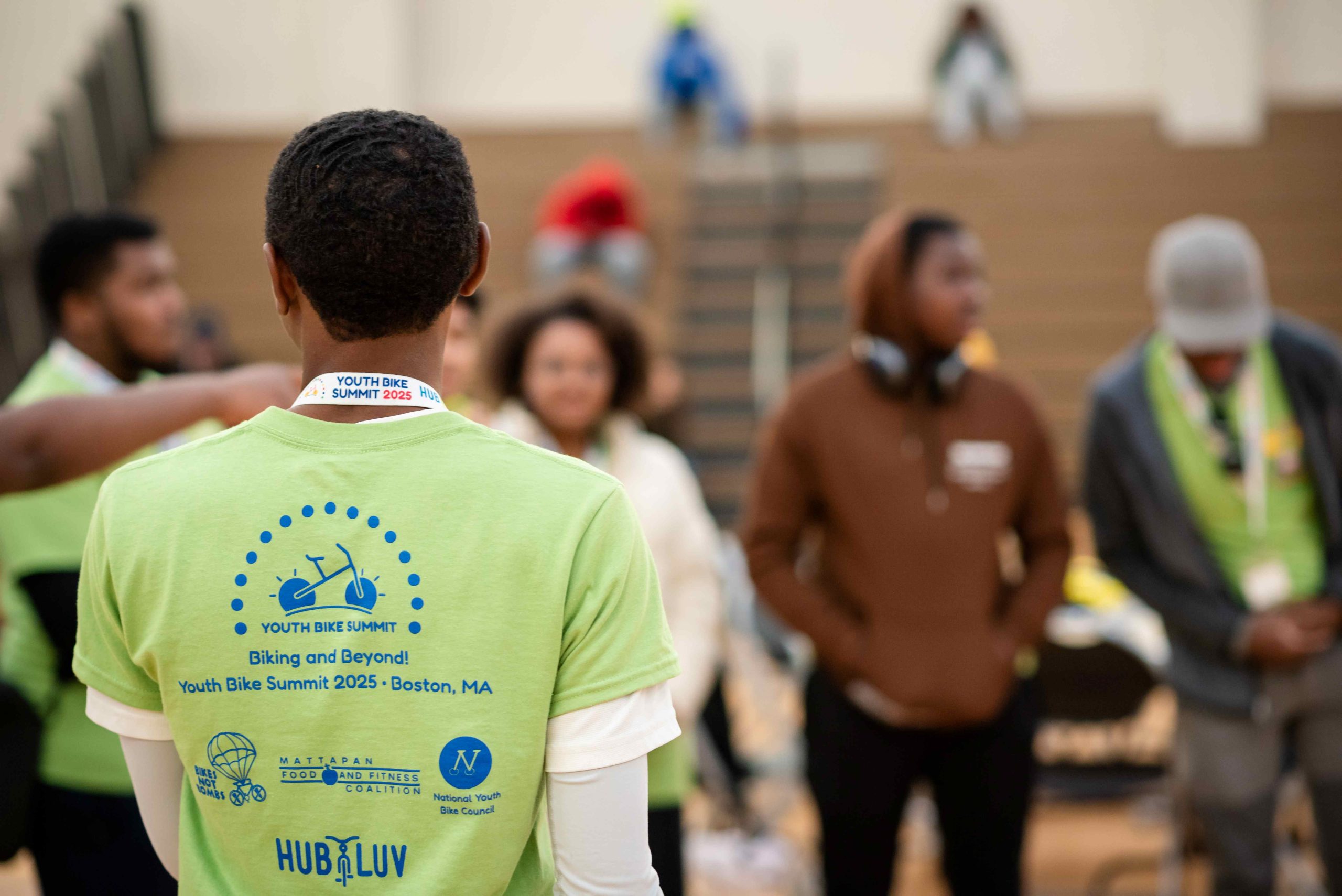
“We are pleased to have had the contributions of 32 workshops over 3 days, 1 big bicycle ride joined by the Mayor of Allentown, and majority youth participation (72%). The Youth Bike Summit is on the move, traveling from city to city, next year it will be in Boston, Massachusetts from May, 30th 2025 to June, 1st 2025. It’s our goal to establish a pathway, through nationwide collaboration of bicycle organizations to enable young people to be able to advocate on their behalf.” – Joshua F., NYBC President

Rising Pedestrian Deaths Are Not Evenly Distributed

Happy New Year to all! This is your blogging council member, Nora, here to kick off 2024 with you. For our resolution, we’ve decided to slightly change our approach to these blogs by including, along with what the Council is doing, more in depth investigations into topics that youth in transportation are interested in.

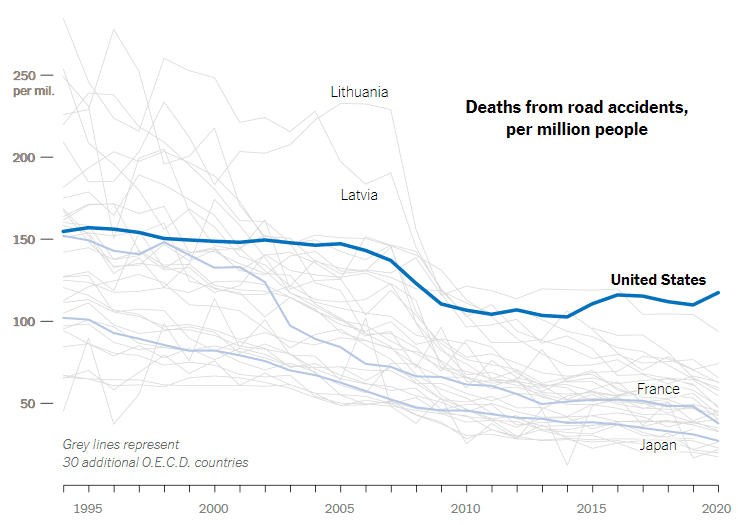
There is a growing recognition that pedestrian deaths are and will continue to rise every year and that the US is outpacing other countries in pedestrian deaths. While these statistics are not good, greater awareness about the problem and showing that other countries are dealing with pedestrian safety in more successful ways means there is even more pressure on US governments on all levels to make an effort to change our car focused mentality.

Hearing about this increased recognition of the US’s pedestrian safety problem gave me a moment of ‘yes! Thank you for seeing what is happening!!’ As I was celebrating this small step towards progress, a friend called to my attention a problem in pedestrian safety I had not been seeing. So in this blog, I want to highlight a growing group of those pedestrian fatalities that are often forgotten – those without permanent residence.

Those who are experiencing homelessness are a vulnerable community to start off in terms of impact. However, they are particularly vulnerable to traffic fatalities as they are more likely to be living next to roads and high traffic areas such as highway interchanges and major road underpasses (2 – Why Are So Many More Pedestrians Dying in the US?). High-speed corridors, even with the danger they present, offer a particular refuge because the land next to highways is public land. Underpasses and bridges offer protection from weather and the relatively remote location as well as the public land aspect means individuals are less likely to be told to leave by police or land owners. This means they are more likely to be near cars at night, which is when most pedestrian deaths are occuring. There are many other factors that make this community more vulnerable to pedestrian fatalities including not being able to use other modes of transportation including cars and buses due to costs (4 – Homeless More Vulnerable To Pedestrian Accidents). These factors depend on the individual and their situation but in general if you are experiencing homelessness you are more likely than a housed person to die as a pedestrian in a traffic related incident.

Los Angeles has found that those experiencing homelessness are 53 times more likely to be killed in traffic violence than the national average. According to the Portland Bureau of Transportation, in 2021 “seventy percent (or 19 out of 27) of pedestrian deaths were houseless community members; and 33 percent (21 out of 63) of all traffic deaths were houseless community members.” (3 – Traffic Crash Report 2021) These statistics are talking about Portland, Oregon in particular but nation-wide there has been an increase in people experiencing homelessness pedestrian deaths. Across the nation those experiencing homelessness make up between 60% (in Colorado Springs) to 15-20% (San Francisco) of traffic deaths (1- Living Without Refuge).

When the problem is laid out in front of you it’s clear why those who are experiencing homelessness are more vulnerable to cars, so why do we often forget to include this community in our talks towards a safer transportation environment? While advocating for young people specifically, we empathize with this group of overlooked pedestrians, because we know what it feels like to be a part of an overlooked group of road users. One of the reasons, I think, is that most cities/counties/states don’t monitor whether someone was experiencing homelessness and so the data is not collected. This makes it hard to understand the size of this national problem.

However, some cities are starting to include this data into their reports. 2021 was Portland’s first year of including homelessness into their pedestrian fatality report. They went from 70% of pedestrian fatalities were people experiencing homelessness in 2021 to 36% in 2022. When we acknowledge the problem, as the US is starting to do with general pedestrian safety, we can make changes to achieve solutions. To do this we can’t forget about communities, in order to achieve Vision Zero (where there are no pedestrian fatalities) we need to see how everyone is impacted.

If you’re interested in learning more, check out the below resources on this topic:

1 – Usa.streetsblog.org Living Without Refuge
2 – Why Are So Many More Pedestrians Dying in the US?
3 – Portland.gov Traffic Crash Report 2021
4 – 13wmaz.com Homeless More Vulnerable To Pedestrian Accidents

Developing Leaders of Tomorrow

National Youth Bike Council is a youth-led non-profit organisation established in 2017 with a mission to provide an active learning space for young cyclists to boost youth voice in the bicycle industry through peer leadership.

Joshua Funches, the founder of National Youth Bike Council was inspired to start the Council in Philadelphia to allow opportunities for youth to learn real life skills, build confidence, offer a sense of community support and belonging through team building events. Growing up, Joshua acknowledged that lack of resources and feeling of not knowing where to start, which can be a very disheartening feeling for youth. “We become empowered and enabled by peer motivation for the well-being of others in multiple communities. Young people have the opportunity to develop adulting skills, leadership skills, and a healthy lifestyle with the National Youth Bike Council”.

Zoe Mitchell, 20, another current Council member who joined the council back in 2019 has learned great leadership skills including meeting facilitation, business planning, and accounting.

“My skills have tremendously improved since being on the council”, Zoe shares with excitement.

Already involved in the local biking community as a youth advocate, the National Youth Bike Council allowed Zoe the opportunity to connect with other members on a national level who were doing similar work.

Whether you’re teen or a young adult who loves to bike, seeking mentoring and/or want to develop leadership skills and make a positive impact in your community, you’re reached the right place!

To learn more about the Council or how to get involved, visit our site at: nybcouncil.com/join-us