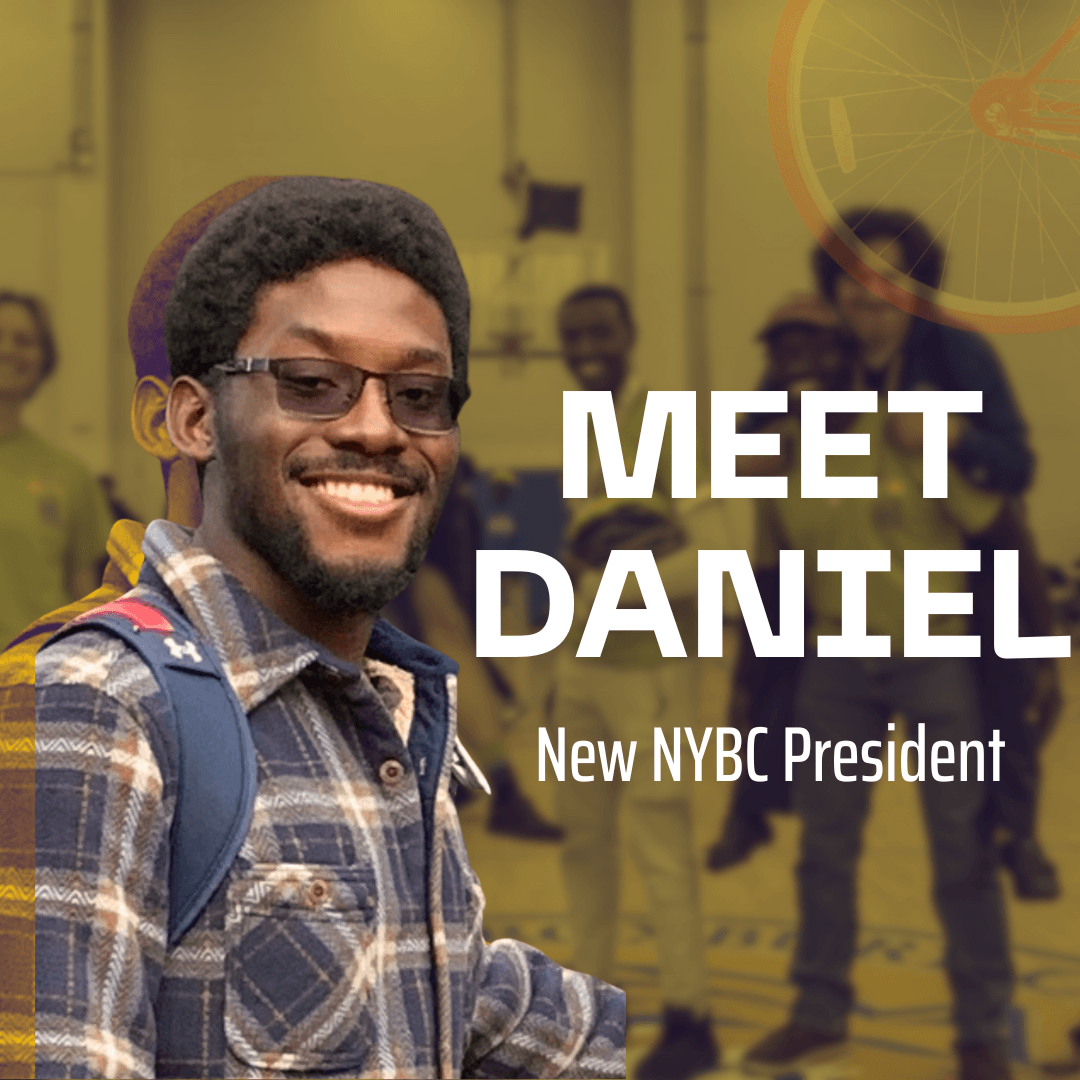
Meet Daniel: New President of the NYBC

In our recent blog we wrote about Joshua F stepping down and Daniel C stepping into the position as President of National Youth Bike Council. Now, it’s time to meet Daniel.

Daniel grew up riding bikes recreationally and around his neighborhood, but nothing more. Now, he commutes by bike almost every day and enjoys exploring new places by bike within the Atlanta Metro area whenever he has time.

Daniel was not always like this, before the Council, he hadn’t really done much related to bicycles. He spent practicing instruments for a marching band and playing video games. Then one day he got an e-bike and became a fan but it did not come without loss. Meaning, Daniel had lost his vehicle prior to getting his first e-bike, it was an unfortunate situation but also his entry point into discovering the freedom and struggles of bicycling. “Though I can’t go nearly as far now, I’ve been surprised by how far I’m actually able to go if I take the right routes.” This all happened about a year and a half after he entered college.

“As my interest in biking and transportation was starting to grow, I found the National Youth Bike Council,” Daniel recalls, “I don’t remember what the post was specifically, but I was intrigued about the organization behind it. After looking up this organization that I had never heard of before, I filled out an application.” And just like that, after a meeting with former president Joshua and the other council members, he became an active council member, representing Atlanta.

Since March of 2024, Daniel has connected with like-minded people who care about our nation’s transportation and the role that bicycles play in that. He attended the Youth Bike Summit this past summer and absolutely enjoyed meeting everyone who went and getting to experience being in Boston for the first time.

“I’m excited to see how alternate transportation modes continue to fill in the gaps that cars and planes have filled for decades, and how the next generation will lead these initiatives” says Daniel. Outside of biking, he is a student at Georgia Tech, an active member of the Navigators, an employee at our Campus Recreation Center, and an avid listener and player of music. His biggest accomplishment is biking to Stone Mountain from Georgia Tech, which he really enjoyed. In what spare time he has left, he likes to post about transportation topics, he recently started an instagram called Daniel Travels (@danieltravelsofficial). This social media brand will be dedicated to being an outlet for him to share information about different aspects of transportation and the ways in which they influence our lives, “I’m excited to see where this experiment will take me”.
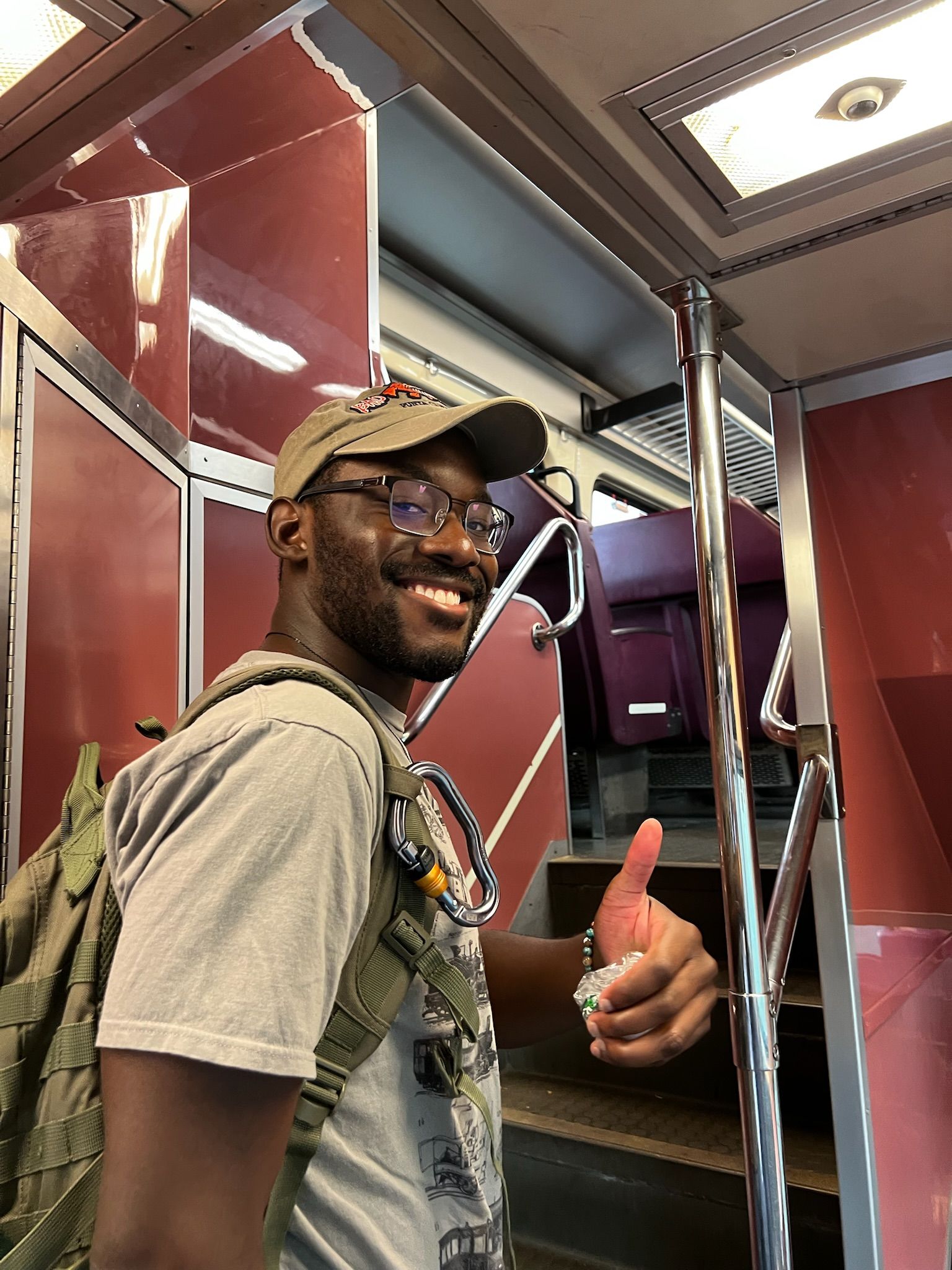
As the new President of the National Youth Bike Council, Daniel expects to have a better view of all the initiatives taking place through NYBC, and the role that he and others can play in it. “Some would say I have big shoes to fill, but I think that I’m bringing a different pair of shoes to this position,” Daniel says, “as the NYBC continues to grow and evolve, I want to do what I can to guide it and those affected to a future where we continue to press on hand in hand to advocate for bikes in our neighborhoods, schools, and communities. And so I ask you, will you join me in this journey?”
Joshua Makes Way For New NYBC President

2025 marks the last year that Joshua is serving as the President of the National Youth Bike Council. Joshua served as the National Youth Bike Council president since its inception in 2017. This transition happened a month after the 2025 Youth Bike Summit that took place in Boston between May 30-June 1st 2025. Attendees at the summit heard it first hand from Council Member Pablo when the announcement was made on Sunday June 1st.

Since June the transition has been underway. Today we have the exciting news that Daniel C. will be the new President of the National Youth Bike Council. Leading the Council into its second generation of growth for youth leadership through bicycling and fostering lifelong friendships between current and new Council members.

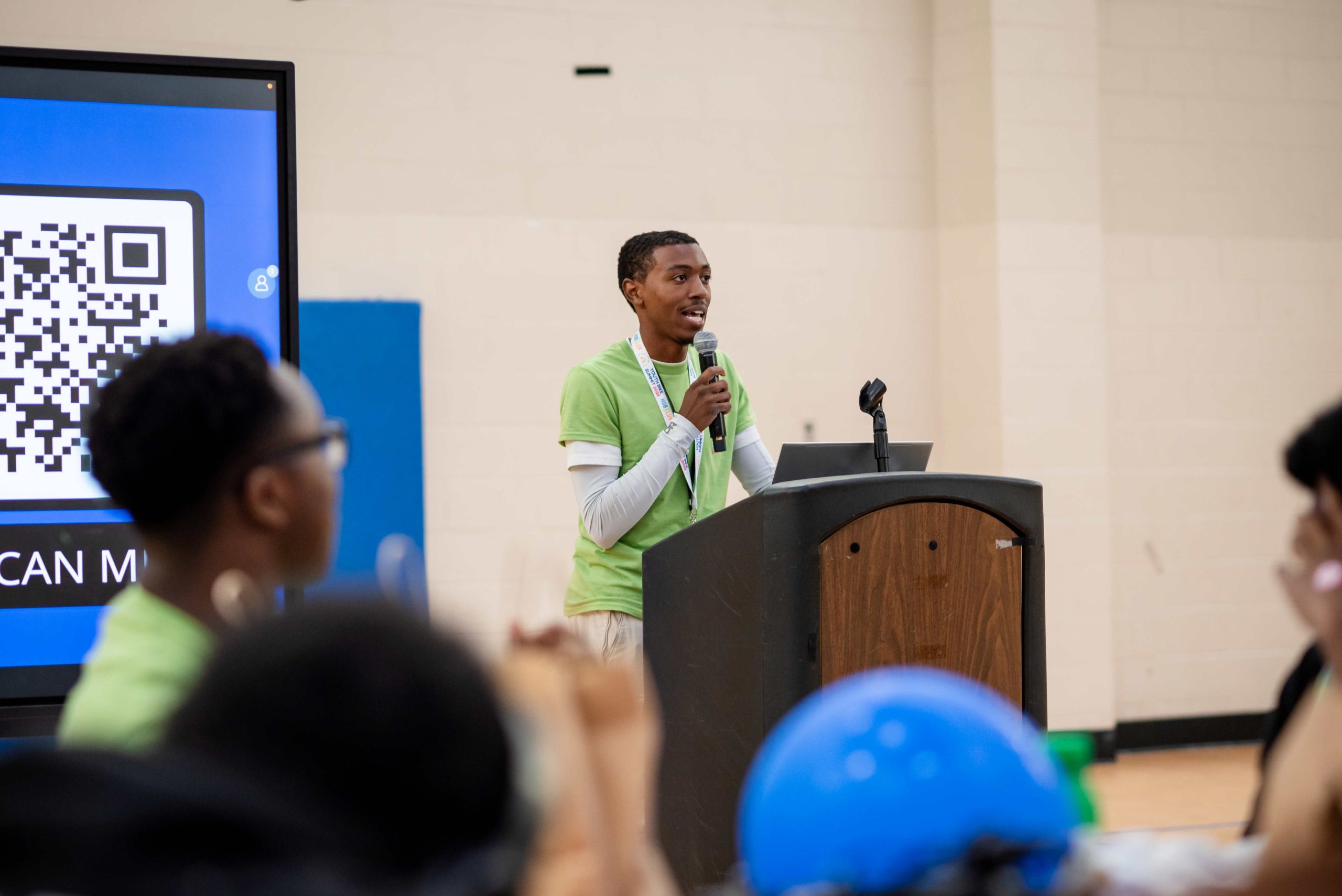
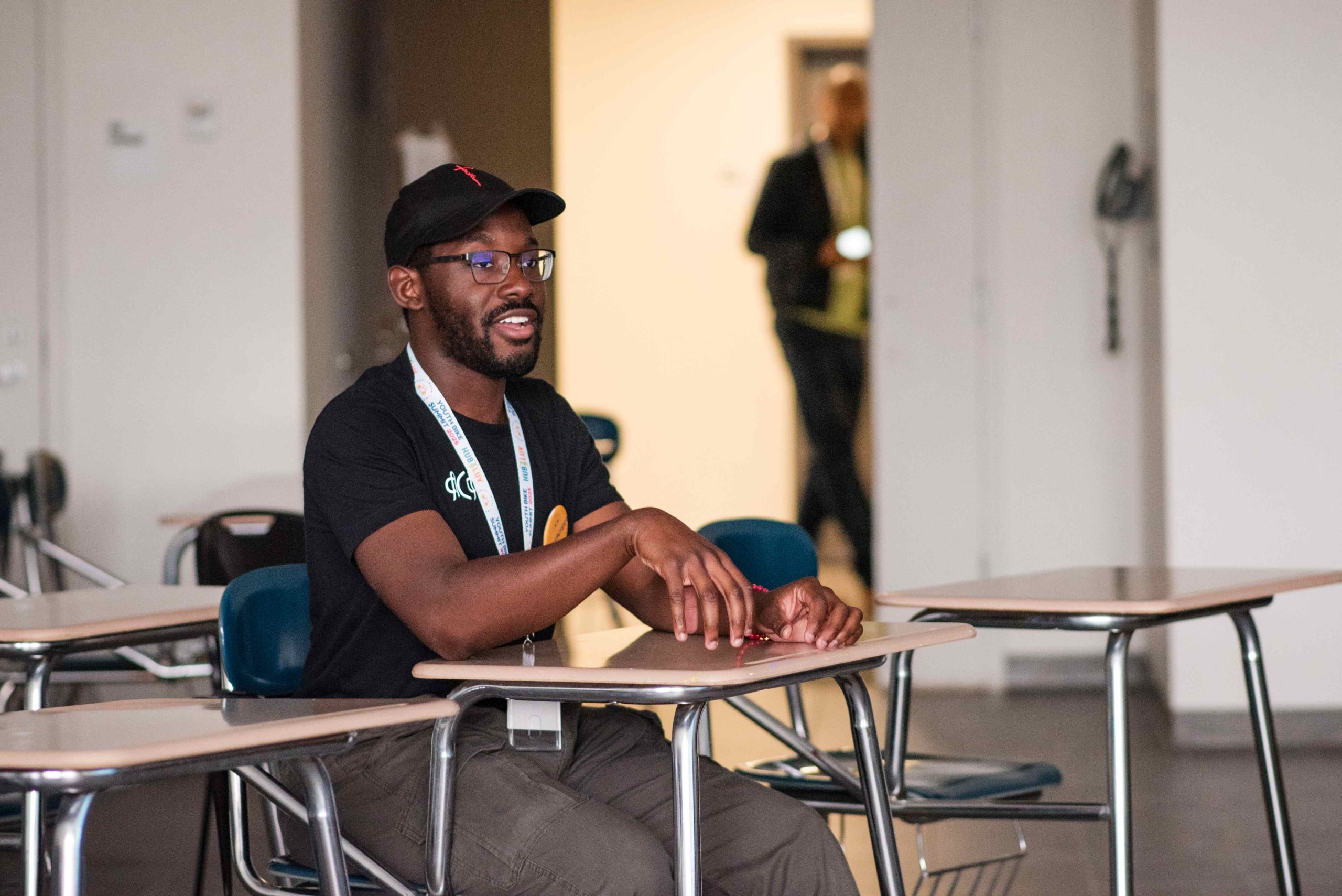
Daniel C. participating in a presentation at the Youth Bike Summit

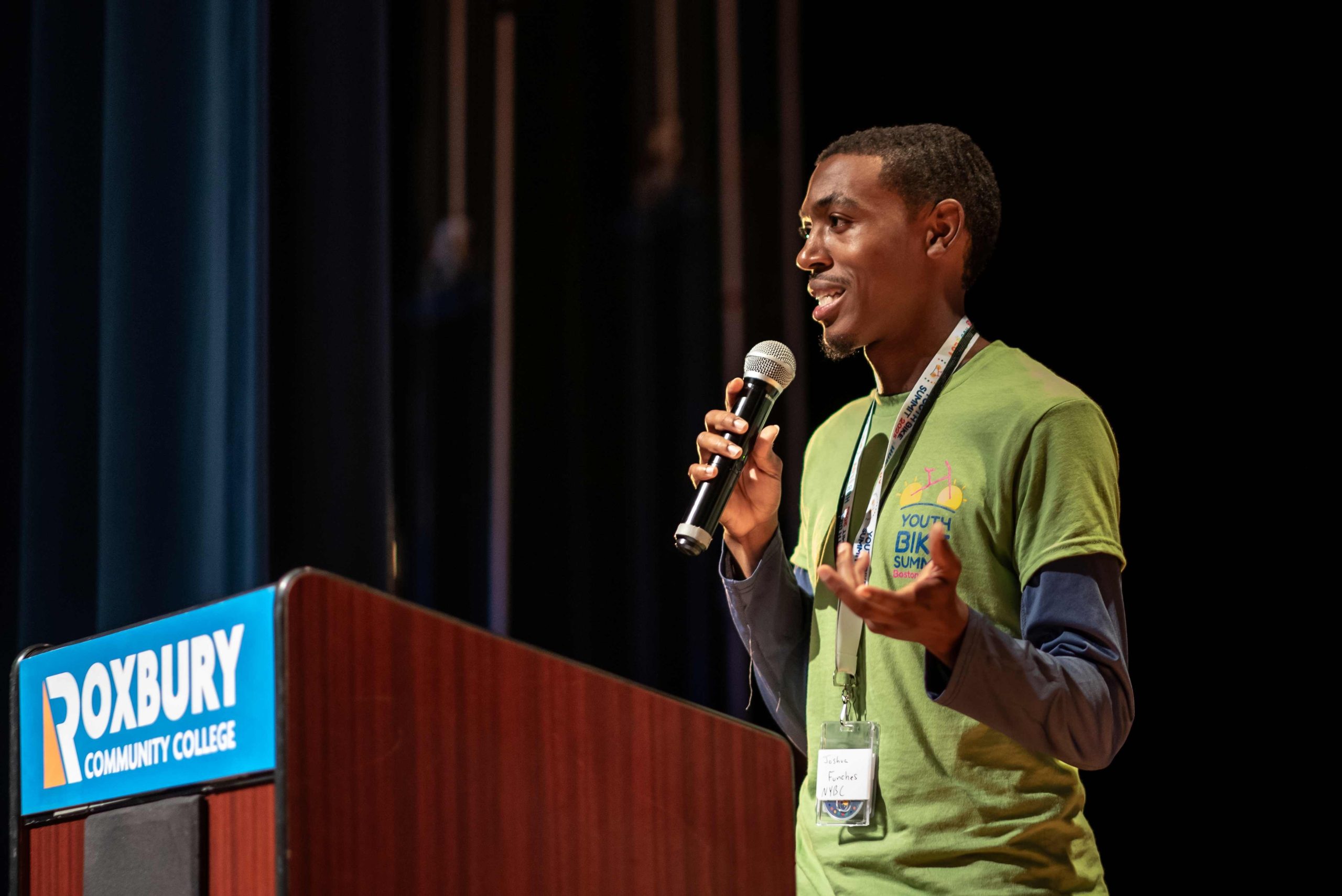
Joshua speaking at the Youth Bike Summit

During Joshua’s time serving the organization, the National Youth Bike Council discovered national level partnerships with the recreation, healthcare, and education sectors. As President he also led the organizations through acquiring and running the Youth Bike Summit from 2022 – 2025. We are very thankful for Joshua’s leadership in creating opportunities for young leaders to learn, connect and grow through the initiatives of the National Youth Bike Council.

Joshua is a continued board member of the organization and will be supporting as Board Chair and a Youth Bike Summit Steering Committee member.

More Questions About The Future Youth Bicycling

Creating a bicycling culture requires a fair share of effort. As an industry that generates over $8.4 billion annually, it’s clear the culture is worth the effort. However, when examining growth trends across different demographics—adults and youth—it becomes evident that the enthusiasm has not translated into increased participation among young adults and teens.

According to the National Sporting Goods Association (2024) and highlighted by Scott Fitzgerald of Pedal Kids USA at the National Bicycle Dealer Association’s 2024 Annual Summit, youth bicycle ridership has dropped to a generational low. In the early 2000s, 41% of 44 million children and teens (ages 7-17) participated in bicycling. Despite an increase in the youth population to 50 million, only 22% engaged in bicycling in 2024. This means that four out of every five children are without the essential cognitive, physical, and emotional benefits of bicycling. It also means that 4 out of 5 children are uneducated or misinformed on how to ride a bicycle in their city.

Photo provided by Scott Fitzgerald during the National Bicycle Dealer Associations Summit.

Is This Decline Going To Stop?

Is bicycling becoming outdated among younger generations? That’s the ultimate question. As youth ridership widely declines, critical questions arise:

Is becoming outdated an existential threat to the bicycling industry?
Have we seen meaningful growth in cycling participation, or does it feel stagnant?
When was the last time bicycling has modernized itself to align with modern day youth interests?
How do we encourage long-term youth engagement with bicycling?

Over the past decade, despite declining youth participation, there has been an increase in bicycle-related programs, initiatives, and federal funding. If investment in cycling programs is growing, why does youth ridership continue to fall? Are current programs effectively addressing the needs of young riders? Are they sufficient to reverse this decline?

Bicycle shops, like Scott’s, a part of the National Bicycle Dealers Association have been raising these concerns. Youth-bicycle programs across the U.S. are most commonly ask how to “tap into best practices from other organizers and increase resource sharing from other groups” or mention how their “biggest challenge is finding ways to speak to and involve youth in [their] events, advocacy, and education. We could use some help from the experts!”

The core issue is clear: how do we establish a sustainable framework that ensures long-term youth engagement with bicycling?

Photo provided by Scott Fitzgerald during the Youth-Bike Hub webinar: Modernizing How We Think About Youth Cycling

What Makes Youth Bicycling, Youth Bicycling?

Now more than ever, to address this crisis it requires a structured, sustainable approach to youth bicycling. Youth Bicycling is defined as participation with the bicycle of children, teens, and young adults up to age 24. Meaningful engagement begins early and should extend through key developmental stages—elementary school, middle school, high school, and college.

Creating a continuous pipeline of programmatic or spontaneous engagement fosters a cycle of participation, leadership, and mentorship at each stage. Other industries have demonstrated how structured youth involvement leads to long-term retention & volunteerism, career pathways, and leadership development. The cycling industry must adopt a similar approach to cultivate a lasting impact.

For this to be successful, a national alliance or governing body should guide and reward achievements toward long-term engagement. Without a centralized effort, programs will remain fragmented, limiting their potential for sustained impact.

What Makes Youth Bicycling, Youth Bicycling?

Now more than ever, to address this crisis it requires a structured, sustainable approach to youth bicycling. Youth Bicycling is defined as participation with the bicycle of children, teens, and young adults up to age 24. Meaningful engagement begins early and should extend through key developmental stages—elementary school, middle school, high school, and college.

Creating a continuous pipeline of programmatic or spontaneous engagement fosters a cycle of participation, leadership, and mentorship at each stage. Other industries have demonstrated how structured youth involvement leads to long-term retention & volunteerism, career pathways, and leadership development. The cycling industry must adopt a similar approach to cultivate a lasting impact.

For this to be successful, a national alliance or governing body should guide and reward achievements toward long-term engagement. Without a centralized effort, programs will remain fragmented, limiting their potential for sustained impact.

The Biggest Risks of Continued Decline?

If this trend is not addressed, both the cycling industry and public health will face significant consequences. The immediate and long-term effects include:

Within the Industry:

Fragmented messaging about bicycling’s role and who it serves
Inefficient allocation of corporate funds, leading to duplication rather than growing the cycling industry
Difficulty in accurately tracking youth ridership trends
Missed opportunities for collaborative, innovational programs as youth interests evolve
A constant need for corporate giving due to high youth turnover rather than youth-to-adult conversion

Beyond the Industry:

Limited accessibility for underserved communities, who are often reached last
A disjointed experience for young riders who must navigate different bicycling disciplines without clear guidance
Inability to establish a national alliance without industry-wide support
Lack of proactiveness leads to lack of say in how this long-term youth engagement is resolved and low ridership numbers are resolved
Missed opportunities to align with broader, current events: i.e. public health and sustainability initiatives
Bicycling risks becoming socially-outdated

A Future Without Young People Biking Does Not Have To Be Inevitable

A coordinated, long-term approach to youth cycling engagement is crucial to reversing this decline. It’s the task of the focused alliance to answer meaningful questions and create accurate metrics to track success. Key questions for industry leaders & alliances to answer include:

What concrete steps can be taken to ensure every child has the opportunity to experience cycling?
How can we redefine industry support for youth bicycling?

One critical and often overlooked strategy is youth leadership development. Programs that actively integrate youth into leadership roles—such as peer mentors, facilitators, and decision-makers—create an organic pathway for sustained engagement. Organizations that prioritize this approach have demonstrated higher retention rates and knowledge about organizational sustainability.

The Role Of The Youth Bike Summit

The National Youth Bike Council leads the Youth Bike Summit, a three-day annual event that brings together educators, program leaders, and youth advocates from across the U.S. to discuss concepts like this with their peers. By placing youth at the forefront—as speakers, decision-makers, and facilitators—the summit highlights the power of youth-driven initiatives.

Knowledge sharing and modernizing youth bicycling concepts is essential. Supporting initiatives like the Youth Bike Summit and ensuring that educators, community leaders, and organizations can attend is critical to creating a sustainable youth bicycle movement.

The Underdog To Combating Youth Mental Health: Bicycling

Author: Council Members Joshua

Unlike other physical activities such as running, walking, or playing soccer, bicycling offers unique versatility in addressing both physical and mental health challenges.

The youth mental health crisis in the U.S. has reached alarming levels. Data indicates a significant increase in mental health disorders among adolescents. According to the National Institute of Mental Health (2021), approximately 20.1% of U.S. youth aged 12 to 17 experienced at least one major depressive episode in the past year. Furthermore, the prevalence of anxiety disorders among adolescents was reported at 31.9% from the National Institute of Mental Health.

The Global Mind Project published a 2024 report acknowledging the levels of distress between 2019 and 2024 have doubled from 15% to 30% over the last five years, with younger generations experiencing the sharpest decline in mental well-being. The report attributes much of this decline to the lingering effects of the 2020 pandemic, with minimal signs of recovery among younger age groups.

The physical health of youth in America remains a significant concern as well, marked by challenges such as increasing obesity rates and inadequate physical activity levels. According to the U.S. Department of Health and Human Services (2018), only 24.5% of youth aged 6 to 17 meet the recommended guidelines for at least 60 minutes of moderate-to-vigorous physical activity per day.

The Global Mind Project, The Mental State of the World in 2024 Report: Shows an increase in distress and struggles for all age groups

A Bicycle Is More Than Getting Outside

Research consistently shows that outdoor activity improves overall well-being compared to a sedentary lifestyle. However, engagement matters—merely being outside without an activity is far less beneficial than actively participating in one. Among outdoor activities, bicycling offers three distinct advantages: recreational use, a career pathway, and a mode of transportation.

The simple act of bicycling has been proven to aid in 3 key areas of mental and physical health.

  1. Stress Relief: Research by Craft and Perna, as highlighted in _The Benefits of Exercise for the Clinically Depressed_, demonstrates that cycling helps alleviate stress by releasing endorphins, leading to improved mood and emotional well-being.
  2. Improved Sleep Quality: Sleep disturbances are common among young adults experiencing mental health challenges. Regular bicycling has been associated with improved sleep quality, helping to regulate sleep patterns and contribute to better overall mental health. Journals like “_High exercise levels are related to favorable sleep patterns and psychological functioning in adolescents: a comparison of athletes and controls._” highlight this.
  3. Enhanced Cognitive Function: Bicycling is not only a physical activity but also a cognitive one, requiring attention to the environment and decision-making. Research published in _Be Smart, Exercise Your Heart: Exercise Effects on Brain and Cognition_ (2008) links cycling to improved cognitive function, reduced brain fog, and enhanced concentration.

Bicycling also supports both independent and social engagement. For those who prefer solo activities, cycling fosters autonomy, self-motivation, and confidence. Autonomy is so important for youth, it leans into one of the strongest aspects of bicycling: connecting communities and people. Conversely, group cycling strengthens community connections, reducing social isolation and promoting cross-cultural interactions.

An Increase In Innovation Should Be An Increase In Ridership

In the last ten years, electric bicycles have increased in use among consumers, federal funding and rebates have incentivized bicycle ownership in select states, and local cycling initiatives have expanded. Despite all of that, bicycle ridership for youth ages 7-17 is at a generation low as reported by the National Sporting Goods Association in 2024. It’s estimated that about 41% of 44 million children and teens (7-17) participated in bicycling throughout the 2000’s compared to an increase of 50 million children but a sharp decrease to only 22% of them participating in bicycling in 2024. Despite an increase in the total youth population, fewer children and teens are cycling today than two decades ago.

This decline has serious consequences. Four out of five children are missing out on the cognitive, emotional, and physical benefits of cycling. Additionally, many youth lack basic knowledge of how to navigate their cities by bicycle, further limiting their independence and mobility.

The Elephant In The Room: Safety

This raises a few questions:
– Are we designing cities and policies that actively promote sedentary lifestyles?
– What lessons can we learn from past eras of high youth ridership to inform the future?

The bicycling industry, now valued at over $8.4 billion, has evolved to incorporate extensive safety measures, adapting to modern infrastructure and transportation needs. Likewise, the 21st century brings evolved curriculums in youth-bicycle programs, finding unique ways to educate and perform on modern-day safety requirements.

One common project model called Earn-A-Bike, for example, demonstrated modern teachers. Over an eight-week period, students restore donated bicycles, learning essential maintenance skills. Upon completion, they keep the bicycles they have repaired, for free. Throughout the program, participants also receive structured training on bicycle safety and navigation, ensuring they are well-equipped to ride confidently in their communities.

The Earn-A-Bike program is just one of many solutions that need to be expanded and shared with communities nationwide. Education on these options is essential—not only for youth but also for program coordinators, educators, and local officials, whom we refer to as our support network.

Through the Youth-Bike Hub (YB Hub), the National Youth Bike Council is working to elevate and promote youth bicycling programs across the country with our support network. In its first year alone, the YB Hub identified 14 different ways that youth-focused bicycle programs positively impact their communities beyond health benefits. We help facilitate knowledge-sharing year-round through monthly webinars, an annual conference, and an online resource hub. Expanding access to youth bicycling is not just beneficial—it is essential.

Support for the National Youth Bike Council is an actionable step to defend this generation from what the CDC (U.S. Centers For Disease Control and Prevention) has been classified as a Mental Health Crisis for another year in a row. Get involved by donating to make an impact or emailing us (info@nybcouncil.com). With your support we can ensure that bicycling remains a cornerstone of youth wellness, independence, and community engagement.

The New Threat To Youth Bicycle Ridership

Author: Council Members Joshua

Joseph, a dedicated instructor at a Rhode Island-based middle school, leads a bicycle program that teaches students how to ride for the first time. His students gain confidence and independence as they explore local trails during school hours. However, the program faces a significant challenge: retention. As students transition to high school, engagement declines, and many never return to bicycling. Without continued participation, the motivation to ride fades, limiting the long-term impact of programs like Joseph’s.

This challenge is not unique. Programs such as Silver Stallion, based in the Navajo Nation and led by Scott Nydam and his team, encounter similar difficulties in sustaining ridership and engagement over time.

Data from the National Sporting Goods Association highlights the severity of this decline. According to their 2024 report, youth bicycle ridership has dropped to a generational low. In the early 2000s, 41% of 44 million children and teens (ages 7-17) participated in bicycling. Despite an increase in the youth population to 50 million, only 22% engaged in bicycling in 2024. This means that four out of every five children are without the essential cognitive, physical, and emotional benefits of bicycling. It also indicates that a vast majority of youth are not learning how to navigate their cities by bicycle, leading to a knowledge gap that further discourages ridership.

IS THIS A CRISIS? WHY IT MATTERS

Beyond the concerns of individual bicycle programs, this decline raises broader questions:

  • Is bicycling becoming outdated for today’s youth?

Photo provided by Scott Fitzgerald during the National Bicycle Dealer Associations Summit, demonstrating the lack of ridership despite the increase in youth population in the U.S.

MENTAL HEALTH THREATENS RIDERSHIP GROWTH

How does a decrease in mental and physical wellness relate to bicycle sales for youth, youth bicycle ridership, and participation in bicycle programs? The Global Mind Project’s 2024 report reveals that distress levels among young people have doubled in the last five years, rising from 15% in 2019 to 30% in 2024, with minimal signs of improvement. The report states, “Younger age groups saw a dramatic decline of over 40 points, while those over age 55 showed little change. Since the 2021 low, recovery among younger generations has been minimal.”

The Global Mind Project, The Mental State of the World in 2024 Report: Shows an increase in distress and struggles for all age groups

The CDC has officially declared youth mental health a crisis. Yet, despite mounting concerns, bicycling—once a natural outlet for stress relief, physical activity, and social connection—is not a first choice of self-prescription or promoted as a solution. As motivation and activity levels decline among young people, how will they rediscover bicycling as a source of well-being?

Joseph’s middle school program provides students with physical activity, social connection, and a sense of achievement. However, when students age out or lack opportunities to continue riding beyond school hours, they lose access to these benefits. In a generation overwhelmed by digital distractions and constant demands on their attention, bicycling is often overlooked in favor of screen time—despite being an unmatched tool for autonomy, stress relief, and overall well-being.

Without intentional intervention, the industry risks allowing this decline to continue, further distancing young people from the benefits of bicycling.

OUR ROLE IN COUNTERING THIS THREAT

Joseph recognizes that to sustain youth bicycling in Rhode Island, he needs support. His search leads him to the Youth Bike Summit, a three-day annual event that brings together educators, program leaders, and youth advocates from across the U.S. Through workshops, discussions, and peer learning, he discovers strategies to keep students engaged beyond middle school, re-engage alumni, and build partnerships that support cycling within families and communities.

At the summit, young people take center stage as keynote speakers, facilitators, and decision-makers. Through their leadership, attendees like Joseph gain fresh perspectives on how to address declining ridership and rising mental health concerns. Equipped with new insights, resources, and a network of fellow advocates, Joseph is better prepared to sustain and expand his program’s impact.

Knowledge sharing and modernizing youth bicycling programs are critical to reversing this trend. Supporting initiatives like the Youth Bike Summit and ensuring that educators, community leaders, and organizations can attend is essential to preserving and growing youth ridership.

Get involved today. Support meaningful bicycling experiences for young people by donating or partnering with us (email us: info@nybcouncil.com) to reverse the youth ridership decline. Together, we can ensure that bicycling remains a vital tool for youth wellness, independence, and community connection.

My Times In Chile Point Out Flaws In Our U.S. System

Author: Council Member Nora

Hello! This is Nora from the National Youth Bike Council team writing to you from Santiago, Chile! While the US is entering spring here on the other half of the world it’s getting colder and colder as we enter fall which is taking some time for my mind to understand.

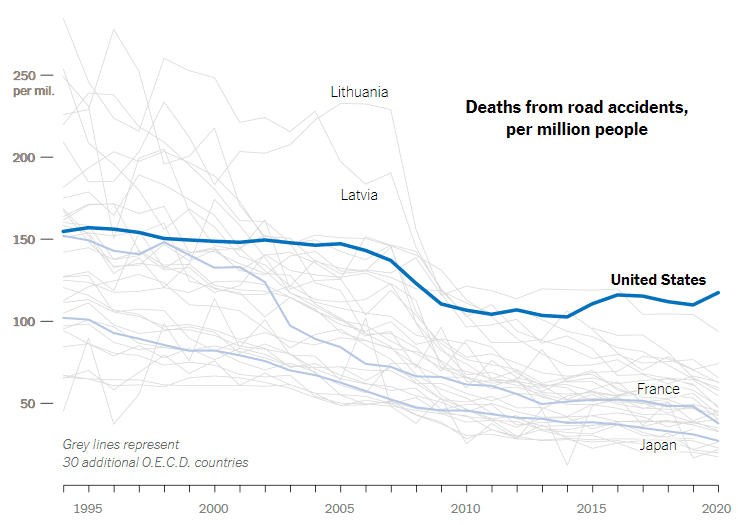
I am currently studying abroad and among many things I have learned in my time away from the US is that our relationship with cars and bicycles seems to differ from the rest of the world. According to a report by the New York Times, “In 2020, as car travel plummeted around the world, traffic fatalities broadly fell as well. But in the U.S., the opposite happened. Travel declined, and deaths still went up.”

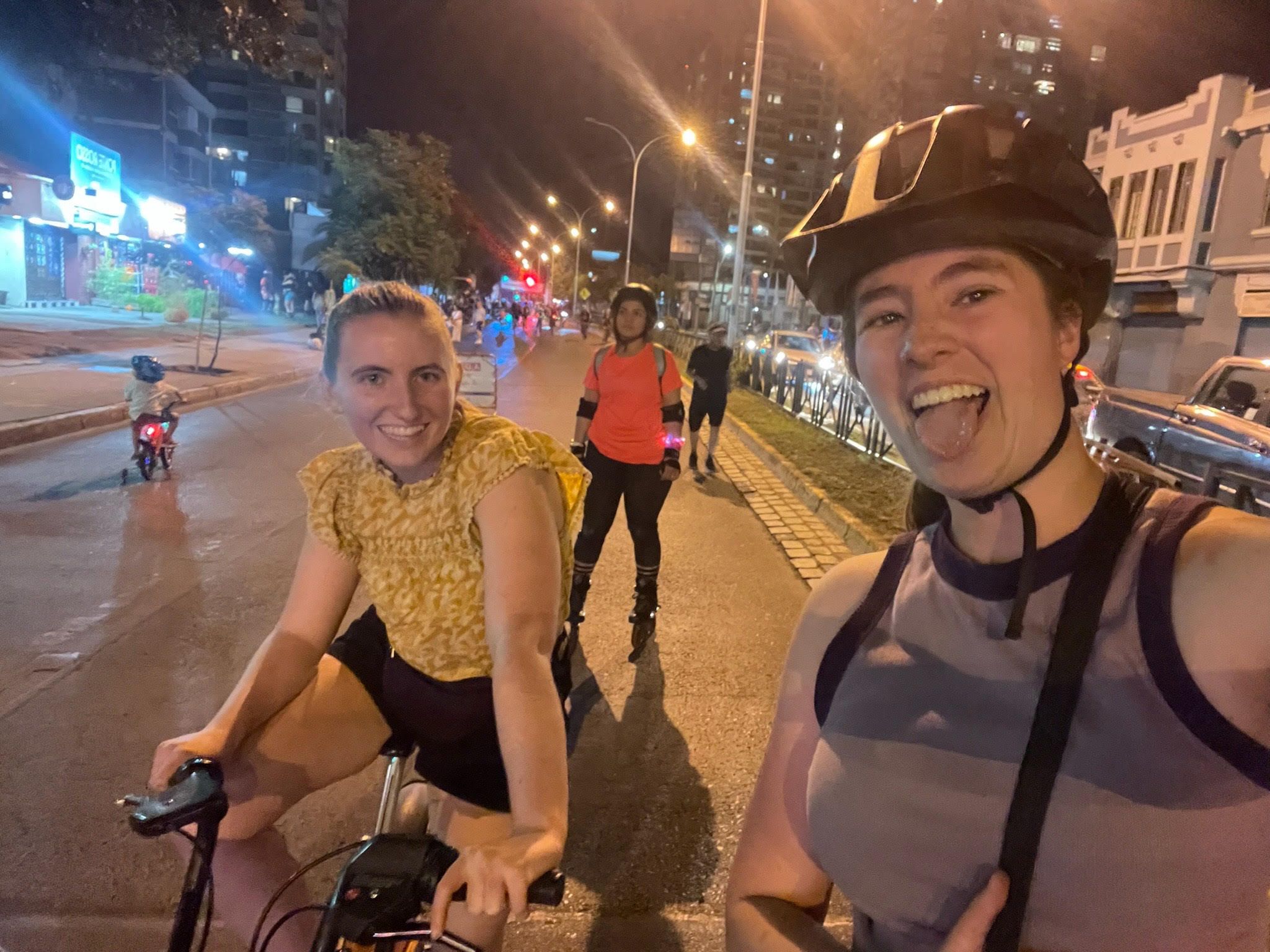
This report surprised me because I don’t believe Chileans are more accustomed or more respectful towards bikers. There are plenty of gaps in Santiago’s biking infrastructure, but one approach I found interesting that Santiago is doing is that every Sunday major streets are closed to cars and bikers, runners, scooters, and anything without an engine take over. It doesn’t happen all day but it is a good chunk of the day and a great way to feel safe and comfortable on the bike while getting to know the city in a different way.

I also got to participate in a night ride, which had the same set up of street closures but everyone was lit up with lights, there were concerts in parks along the route, and families were out together. I felt like I could safely bike around while also getting to know the community.

Now as to why the US is such an outlier in the world we don’t really know but there are a lot of possible reasons. One is that, as Jennifer Homendy, chair of the National Transportation Safety Board said, “Motor vehicles are first, highways are first, and everything else is an afterthought.” I think for bikers this often manifests itself through a feeling like you are not welcomed or you should not be there often because there is no lane for you.

Other theories deal with the kinds of cars Americans drive: often bigger and automatic. Bigger cars mean slower breaking and that pedestrians are hit at a higher point than the legs. Automatic cars means that drivers don’t have to use two hands whereas a stick shift requires a lot more of a driver’s attention, with less attention required in automatic cars drivers are more likely to become distracted by a phone or messing with the radio. Modern cars are also coming with more technology which means more buttons and screens and dials to distract drivers.

“A livable community is one that provides safe and convenient transportation choices to all citizens, whether it’s by walking, bicycling, transit, or driving.” Around the world and unfortunately increasingly in the US communities are not safe for pedestrians, “Each year, unfortunately, pedestrian and bicyclist fatalities comprise about 19 percent of all traffic fatalities with approximately 6,000 pedestrian deaths and 850 bicyclist deaths. Another 76,000 pedestrians and 47,000 bicyclists are injured in roadway crashes annually.”

For me this is a reminder of why we do the work we do at the National Youth Bike Council. Why we need to take perspective from not just the loudest but also the youngest of all pedestrians, because the problem is getting worse. Even a pandemic which significantly decreased the amount of cars on the road did not decrease pedestrian deaths, which means our infrastructure is falling short.

There are many theories why pedestrian deaths are increasing but there are also many ways we can try and change that. From a personal level this can look like reaching out to your local government about places where you see gaps in pedestrian infrastructure. At a community level we can look at Santiago, starting out by handing over streets to pedestrians once a week. At a national level you can join our volunteers or volunteer for organizations like Vision Zero where we either give resources or help organize initiatives that teach a specific set of pedestrians how to avoid common mistakes drivers make. We work to change the fact that the US is an outlier in the world of pedestrian fatalities. So as Bike Month is coming up I hope we can take some time to learn about the problem (or problems)and the solutions. See you next month!

If you want to learn more about how lower income communities are disproportionately affected check out Smart Growth America. Or additional resources.

For more theories including people moving to the Sun Belt check out the Daily Podcast from the New York Times.

Rising Pedestrian Deaths Are Not Evenly Distributed

Author: Council Member Nora

Happy New Year to all! This is your blogging council member, Nora, here to kick off 2024 with you. For our resolution, we’ve decided to slightly change our approach to these blogs by including, along with what the Council is doing, more in depth investigations into topics that youth in transportation are interested in.

There is a growing recognition that pedestrian deaths are and will continue to rise every year and that the US is outpacing other countries in pedestrian deaths. While these statistics are not good, greater awareness about the problem and showing that other countries are dealing with pedestrian safety in more successful ways means there is even more pressure on US governments on all levels to make an effort to change our car focused mentality.

Hearing about this increased recognition of the US’s pedestrian safety problem gave me a moment of ‘yes! Thank you for seeing what is happening!!’ As I was celebrating this small step towards progress, a friend called to my attention a problem in pedestrian safety I had not been seeing. So in this blog, I want to highlight a growing group of those pedestrian fatalities that are often forgotten – those without permanent residence.

Those who are experiencing homelessness are a vulnerable community to start off in terms of impact. However, they are particularly vulnerable to traffic fatalities as they are more likely to be living next to roads and high traffic areas such as highway interchanges and major road underpasses (2 – Why Are So Many More Pedestrians Dying in the US?). High-speed corridors, even with the danger they present, offer a particular refuge because the land next to highways is public land. Underpasses and bridges offer protection from weather and the relatively remote location as well as the public land aspect means individuals are less likely to be told to leave by police or land owners. This means they are more likely to be near cars at night, which is when most pedestrian deaths are occuring. There are many other factors that make this community more vulnerable to pedestrian fatalities including not being able to use other modes of transportation including cars and buses due to costs (4 – Homeless More Vulnerable To Pedestrian Accidents). These factors depend on the individual and their situation but in general if you are experiencing homelessness you are more likely than a housed person to die as a pedestrian in a traffic related incident.

Los Angeles has found that those experiencing homelessness are 53 times more likely to be killed in traffic violence than the national average. According to the Portland Bureau of Transportation, in 2021 “seventy percent (or 19 out of 27) of pedestrian deaths were houseless community members; and 33 percent (21 out of 63) of all traffic deaths were houseless community members.” (3 – Traffic Crash Report 2021) These statistics are talking about Portland, Oregon in particular but nation-wide there has been an increase in people experiencing homelessness pedestrian deaths. Across the nation those experiencing homelessness make up between 60% (in Colorado Springs) to 15-20% (San Francisco) of traffic deaths (1- Living Without Refuge).

When the problem is laid out in front of you it’s clear why those who are experiencing homelessness are more vulnerable to cars, so why do we often forget to include this community in our talks towards a safer transportation environment? While advocating for young people specifically, we empathize with this group of overlooked pedestrians, because we know what it feels like to be a part of an overlooked group of road users. One of the reasons, I think, is that most cities/counties/states don’t monitor whether someone was experiencing homelessness and so the data is not collected. This makes it hard to understand the size of this national problem.

However, some cities are starting to include this data into their reports. 2021 was Portland’s first year of including homelessness into their pedestrian fatality report. They went from 70% of pedestrian fatalities were people experiencing homelessness in 2021 to 36% in 2022. When we acknowledge the problem, as the US is starting to do with general pedestrian safety, we can make changes to achieve solutions. To do this we can’t forget about communities, in order to achieve Vision Zero (where there are no pedestrian fatalities) we need to see how everyone is impacted.

If you’re interested in learning more, check out the below resources on this topic:

1 – Usa.streetsblog.org Living Without Refuge
2 – Why Are So Many More Pedestrians Dying in the US?
3 – Portland.gov Traffic Crash Report 2021
4 – 13wmaz.com Homeless More Vulnerable To Pedestrian Accidents

How To Engage High Schoolers

Author: Council Member Nora

Hello and Happy Thanksgiving! Now we start our progression to the end of the year and with that we get to recount and reflect on all that we are grateful for! Since I am abroad this year in Northern Ireland, I was in charge of cooking the turkey for our Friendsgiving.

One of the opportunities I am grateful for this year was to be able to participate in the Safe Routes to School Summit. During our panel session facilitated by the National Center for Safe Routes to School I talked alongside three other panelists about how to get high schoolers involved in pedestrian advocacy and to ensure they remain involved after high school. Michele Walker, who works at TransForm and is in charge of the Alameda County Safe Routes to Schools high school program, brought her experience as an adult working with high schoolers and tips on how she got high schoolers interested. She emphasized the fact that getting involved in pedestrian advocacy can look like many things as we have talked about in previous blogs. For example, Michele talked about how she had gotten youth interested in transportation through community garden projects and beautification.

Cydney Thompson, a high schooler who is interning at the Civic Design Center, discussed the importance of milestones in order to keep students interested and to recognize their achievements. I think this is especially key in the transportation field where projects can take years to achieve. Working to get approval from the city or school administrations can be extremely frustrating and the bureaucracy can easily discourage advocates from pursuing projects. It can be even more discouraging when you’re working in the timeframe of four years. Some of the projects I worked on in high school I knew would not be completed before I graduated because the planned end date was 10 years. However, this is where organizations can help by keeping a continuity as students graduate and new students join. They can support by making sure projects continue to be worked on and can explain why these projects were started.

Jacob Smith, who started working in transportation in high school and has continued working in transportation as an adult at National Organizations for Youth Safety and National Center for Safe Routes to School’s Vision Zero for Youth, talked about how youth are the “Architects of Change.” Jacob focused on how youth are the ones who will be dealing with the effects of not improving the transportation infrastructure in the future, so it’s important to include them in the conversation because we are the ones who will be impacted by the decisions made today. As discussed, transportation advocacy is an especially long term change whether we are talking about the impact on the environment, health, equity, etc. The way our roads, sidewalks, bike lanes are laid out affect how we move about in life and therefore the effect of small problems can be exacerbated as well as small solutions can have compounding benefits.

Our panel was meant to support Safe Routes to School programs as they transition from focusing on elementary and middle schoolers to including high schoolers. While high schoolers can appear to be more difficult to reach out to, in reality, they are actively seeking opportunities to discover their identity and explore new interests to understand who they are and where they fit in the world. Teens often gravitate toward activities and experiences that resonate with their evolving sense of self and aspirations and Transportation advocacy has a lot of interesting aspects for us. For example, feeling and being an integral part of the conversation on transportation for all the reasons we discussed and more. Youth know about and are close to issues on the ground, they also have the will to make a change. Where organizations like the National Center for Safe Routes to School and the National Youth Bike Council come in is connecting youth to resources and tools in order to empower their voices.

Brian, why do you think it’s important for organizations such as Safe Routes to School to focus on connecting with high schoolers along with elementary and middle schoolers? What are some transportation activities you are thankful for participating in this year?

Walker Safety Means More Than You Think

Author: Council Member Nora

Hiya! This is Nora, back with your October blog writing to you from Northern Ireland. While studying abroad I have gotten to learn so much about the world and other cultures. One night this month I was talking with my roommates and one of them asked me “what is a pedestrian advocate?” I realized that even though I identify what I do as pedestrian advocacy, I’ve never defined it outright. So that’s what I am dedicating this month’s blog to: what I mean by pedestrian advocacy!

I started using the term pedestrian advocate not for any real reason except that it made a nice acronym. I was a part of a club in high school that was formerly known as the Grady Pedestrian Safety Coalition, but when our school changed its name from Henry W. Grady high school we needed to change our club’s name. We came up with the Atlanta Students Advocating for Pedestrians or ASAP for short. From there we started identifying ourselves as pedestrian advocates.

Since our club was composed of students who walked, biked, skated, took public transportation, and drove and because we wanted to advocate on behalf of everyone. We are all pedestrians. So pedestrian advocacy relates to working to make the transportation environment outside of a car safer, pleasant, and more attractive to commuters. First and foremost we are trying to prevent deaths through initiatives such as the ghost bike project that we talked about in a previous blog or Vision Zero (working to achieve 0 traffic-related fatalities). We are also making sure that you are not having to walk next to four lanes of traffic or share the lane with cars who are going 50 mph. We also actively promote using alternatives to cars in your commutes.

Just like the people we advocate for, what we advocate and how we advocate also includes a lot more than those three missions. Transportation touches so many other fields such as environmental, equity, and health. Therefore when I say I am a pedestrian advocate I am advocating for the whole pedestrian. I advocate to ensure that schools in all income levels are safe for pedestrians. I advocate to promote better public transportation infrastructure to lower emissions and offer more affordable commuting options.

So what I mean when I say I am a pedestrian advocate is that I advocate for the safety of commuters. Safety of commuters in transportation includes a whole range of issues, which is why ASAP was advertised as an advocacy club for whatever you were passionate about.

How do you identify your advocacy? Do you define pedestrian advocacy another way? How do you explain your work in transportation to people who don’t work in this field? I’ll be waiting for your comments on Twitter, Instagram, or email (info@nybcouncil.com)!

5 Steps Leaders Are Taking To Enhance Youth Voice

Without hesitation, the five points shared below should be extended beyond young people’s physical capabilities or academic performance. It challenges the notion that young people’s opinions are not worth consideration and that inclusivity along with many other benefits are lost when not properly engaging youth voices.

Recently, mayors and their staff were joined by Joshua from the National Youth Bike Council, Jacob Smith from National Organization for Youth Safety, Alison Collard de Beaufort with Vision Zero Youth Council, and Grace & Javier, both in 8th grade from the FCCLA to talk about several ways in which different initiatives across the US create meaningful engagement for young people.

These leaders took out some time to challenge their status quo and to learn a new perspective from young transportation advocates. What this teaches beyond transportation advocacy is that motivated young adults, when given the space and place to speak, will take it.

This event, hosted by the National League of Cities, enabled them to create an article called “Five Ways to Engage Youth in Road Safety Initiatives”, where the five ways derived from directly engaging young people. It’s fantastic to see articles created from this method of engagement, making an example of what working towards a more inclusive and collaborative future looks like.

Conversations that are yet to be had can start with these five points and serve as a great first step to uplifting the next generation. The points are as follows:

  1. Meet with your local youth elected officials and organizations
  2. Bring youth voices into Vision Zero and road safety initiatives
  3. Host a day of youth and community education and action
  4. Work with your local hospital to understand how many young people are involved in vehicle-related accidents in your community and find your high injury network (HIN)
  5. Conduct a road safety audit near the schools in your city

Even though all of these do require their own episode, we will focus on the one that is the lowest hanging fruit. That is point number one, being the least local leaders and transportation members can help achieve. Here is a snippet from point number one, “meet with your local youth elected officials and organizations. Many municipalities have youth seats on their city council, committees and boards. Also seek out chapters of youth-led organizations like the National Organization for Youth Safety, the National Youth Bike Council, the Vision Zero Youth Council and FCCLA. Many middle and high schools have divisions of the National Honor Society, a volunteer organization of students dedicated to giving back.”

Simply put, if young people did not want to speak, they would not speak, but here we are speaking up. Additionally, including young people’s novel opinions, their capacity for driving change, and unique ways of thinking naturally fosters policies that create a more equitable and inclusive world for all ages.

This point was brought up by multiple groups during the conversation and is a note we gladly harper on as a basis for our youth leadership. We have to be willing to try and fail. Rather than to worry about our fear of not knowing, we’ll figure it out. It should not be uncommon for city leaders to ask or be asked about ways in which they are supporting the next generation by amplifying their voices and ensuring their active participation in decision-making.

As the lowest hanging fruit in the path to progress, engaging with local youth leaders and organizations can be a significant step towards building more inclusive and equitable communities. Unlike it may seem, even this step reaps great rewards and strengthens social fabrics by example and youth participation.

Here is a link to the full article. If you would like to support the creation of more articles like this, follow us to support our work.